How Often to Feed Goldfish: A Complete Feeding Guide for Healthy Fish
Goldfish are beautiful, relatively low-maintenance, and fascinating to watch. Yet one of the most common mistakes new owners make is misunderstanding how often to feed them. Overfeeding is, in fact, the leading cause of poor water quality and early fish death in home aquariums.
Getting the feeding schedule right is not difficult, but it does require understanding a few basic principles.
This guide answers the question directly and then builds on it — covering feeding frequency by age and season, portion sizes, food types, and the warning signs of overfeeding.
How Often Should You Feed Goldfish?
Feed adult goldfish once or twice per day, using only as much food as they can finish within two minutes. This is the standard recommendation accepted by aquatic veterinarians and fish-keeping specialists worldwide.
Young goldfish — those under one year old — benefit from slightly more frequent feeding: two to three small meals per day supports their faster growth and higher energy needs. As they mature, once-daily feeding becomes entirely sufficient for most healthy adult fish.
The key word in any goldfish feeding guideline is moderation. Goldfish do not have a stomach in the traditional sense.
Food moves directly from the esophagus into the intestinal tract, which means they have no built-in signal that tells them to stop eating. They will consume food as long as it is available, which is why the responsibility falls entirely on the owner.
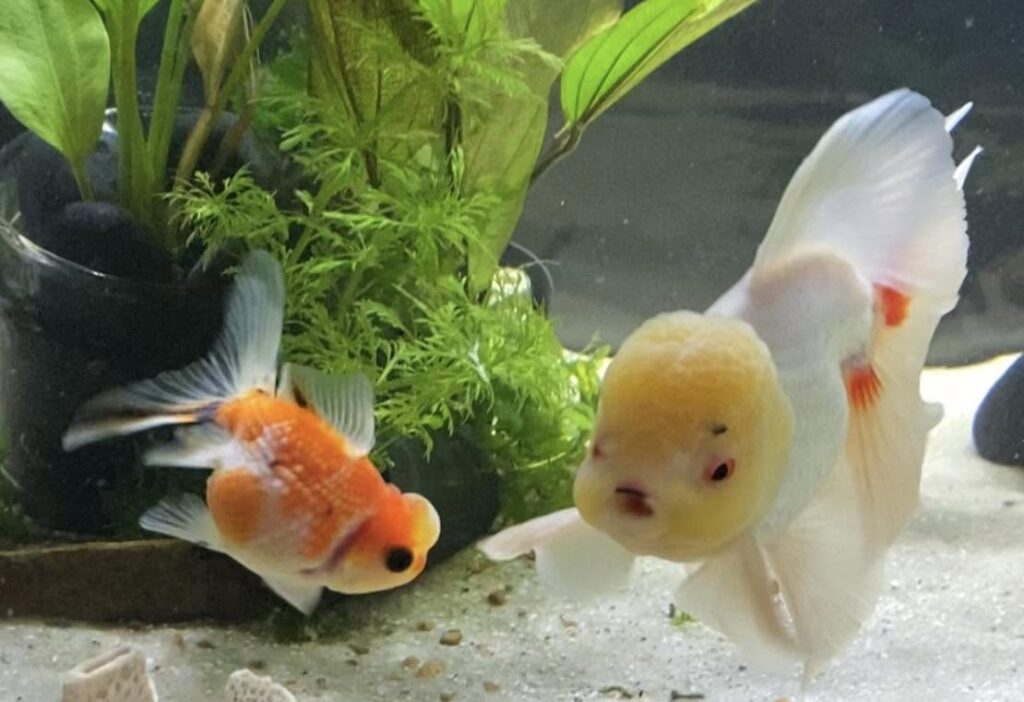
Why Feeding Frequency Matters So Much
It is easy to think of feeding as a simple act of care — dropping food in the tank and watching your fish swim happily. But overfeeding has consequences that go well beyond the fish itself.
When goldfish eat more than they can digest, the excess food sinks to the bottom of the tank. It begins to decay. This decomposition process releases ammonia into the water — a toxic compound that, even at low concentrations, causes gill damage, behavioral changes, and organ failure in fish. Ammonia spikes are the number one silent killer in home aquariums, and most of them trace back to excess food.
On the other hand, underfeeding is rarely the problem people fear it to be. A healthy adult goldfish can go without food for up to two weeks without suffering lasting harm. This makes goldfish forgiving pets for short vacations, though automatic feeders are still a sensible investment for trips longer than three days.
Feeding Guidelines by Life Stage
Feeding a gold fish typically depends on their life stage:
Baby Goldfish (Fry): First 6 Weeks
Goldfish fry are extremely small and their nutritional needs differ considerably from adults. In the first days of life, fry feed on microscopic organisms in the water, sometimes called infusoria, and later on newly hatched brine shrimp or finely crushed flake food.
Feed fry three to five times per day in very small quantities. At this stage, consistent nutrition directly supports healthy organ development and fin formation. Use food specifically designed for fry or crush adult flakes into a fine powder.
Juvenile Goldfish (6 Weeks to 1 Year)
As goldfish move through their juvenile phase, feed them two to three times daily. Their metabolism is still fast, and regular feeding supports steady, even growth. Avoid large pellets at this stage — small pellets or high-quality flakes are far easier for them to process.
Adult Goldfish (1 Year and Older)
Once fully grown, once or twice daily feeding is ideal. Many experienced keepers settle on once-a-day feeding in the morning, which fits naturally into a daily routine and leaves the rest of the day for the tank to process any uneaten matter before the next feeding.
How Much to Feed: The Two-Minute Rule
Portion size is just as important as frequency. The most reliable guide is this: offer only as much food as your goldfish can fully consume within two minutes. After two minutes, remove any uneaten food from the tank with a fine net or siphon.
In practical terms, this usually means a pinch of flakes or two to three small pellets per fish per feeding. It can feel surprisingly small — and that is intentional. When owners first apply this rule, most realize they have been overfeeding by a significant amount.
A helpful tip: start with less than you think is right. Watch your fish eat. If the food disappears in under one minute and the fish are still actively searching, add a tiny amount more. If food remains after two minutes, you have offered too much.
Seasonal and Temperature Considerations
Goldfish are cold-water fish, and their metabolism is directly tied to water temperature. This is one of the most overlooked aspects of their care.
- At 65–72°F (18–22°C): Normal feeding schedule applies — once or twice daily for adults.
- At 55–64°F (13–18°C): Feed once daily and switch to a wheat germ-based diet, which is easier to digest at cooler temperatures.
- Below 50°F (10°C): Reduce feeding to every two or three days. The digestive system slows significantly, and undigested food in the gut can cause bacterial infection.
- Below 40°F (4°C): Stop feeding entirely. Goldfish enter a torpor-like state and do not require food. Feeding at this temperature can be actively harmful.
This temperature-feeding relationship is especially relevant for pond goldfish, which experience real seasonal shifts. Indoor aquarium goldfish kept at stable temperatures generally follow the standard schedule year-round.
Choosing the Right Food
Feeding frequency matters, but so does what you feed. Nutritionally poor food leads to deficiencies even when the schedule is perfect.
Pellets vs. Flakes
Sinking pellets are generally preferred over floating flakes for one important reason: goldfish that gulp air at the surface while eating floating food are more susceptible to swim bladder disorders — a condition that affects buoyancy and causes fish to float sideways or sink uncontrollably. Sinking pellets eliminate this risk.
If you prefer flakes, soak them briefly in tank water before adding them to the surface. This reduces the amount of air your fish ingests.
Gel Foods
Gel foods have grown in popularity among serious goldfish keepers. They closely mimic the natural diet goldfish would eat in the wild and have high moisture content, which supports kidney function and digestion.
Live and Fresh Foods
Occasional treats of blanched vegetables — peas (shelled), spinach, zucchini — are excellent for digestion and provide variety. Live or frozen foods such as daphnia and brine shrimp are also beneficial and are especially useful for conditioning fish before breeding.
What to Avoid
Avoid high-protein foods marketed for tropical or carnivorous fish. Goldfish are primarily herbivorous and struggle to process excessive animal protein. Bread, crackers, and processed human food should never be offered — they disintegrate rapidly, foul the water quickly, and provide no nutritional value.
Signs You Are Feeding Too Often or Too Much
The aquarium itself often gives the first warning signs. If you notice any of the following, review your feeding habits immediately.
- Cloudy or milky water is one of the earliest signs of a bacterial bloom, usually triggered by decaying food. Healthy tank water should be clear enough to see straight through.
- A foul or sour smell from the tank is a reliable indicator that organic matter is decomposing in the substrate or filter.
- Fish that appear lethargic, float near the surface, or swim erratically may be experiencing ammonia poisoning or swim bladder issues — both commonly linked to overfeeding.
- Algae growth that is difficult to control can also be indirectly tied to excess nutrients in the water from overfeeding.
If any of these signs appear, perform a partial water change (25–30%) immediately, reduce feeding for several days, and test the water for ammonia, nitrite, and nitrate levels.
Signs You Are Underfeeding
Underfeeding is genuinely less common, but it can happen in households that are overly cautious or that confuse temporary fasting with neglect.
A goldfish that is underfed will show visible thinning around the midsection and at the base of the tail. The belly may appear pinched or hollow rather than gently rounded. Behavior changes — such as increased aggression toward tank mates or obsessive scavenging along the bottom — may also indicate that the fish are not receiving adequate nutrition.
If these signs appear, gradually increase feeding portions and monitor the fish’s response over one to two weeks.
Feeding Tips for Everyday Care
A few habits, applied consistently, make goldfish feeding both easier and more effective.
Feed at the same time each day. Goldfish are more perceptive than most people realize. They will begin anticipating feeding time, which is part of what makes them engaging pets. A consistent schedule also helps you notice immediately if a fish is not eating — an early warning sign of illness.
Pre-soak pellets before adding them to the tank. Soaking for 30 seconds softens the pellet and reduces the risk of bloating, which is a common issue with dry food.
Use a feeding ring. A floating ring keeps food in one area, makes it easier to observe how much your fish are eating, and simplifies the removal of any uneaten portions.
Fast your fish once a week. Many experienced keepers recommend withholding food entirely one day per week. This gives the digestive system a rest and helps prevent constipation, which is common in goldfish fed exclusively on dry food. A pea feeding day (replacing regular food with a few shelled, blanched peas) achieves a similar effect.
Keep a feeding log if you are just starting out. Noting the amount given, the time, and how long it took the fish to finish helps you dial in the right portion quickly.
Feeding Goldfish in Ponds
Pond goldfish follow the same general principles but on a slightly larger scale. The feeding schedule should shift seasonally as described in the temperature section above. During warmer months, once or twice daily feeding is appropriate.
In autumn, reduce to once daily and switch to a low-protein, wheat germ-based diet. Stop feeding entirely in winter when water temperatures drop below 50°F (10°C).
Natural food sources — algae, aquatic insects, and plant matter — supplement the diet of pond goldfish significantly. This means pond fish may require somewhat less supplemental food than tank fish, particularly in well-established ponds with healthy plant life.
A Note on Automatic Feeders
For owners who travel, work long hours, or simply want a more consistent routine, automatic feeders are a worthwhile investment. A good quality automatic feeder can dispense small, controlled portions at set intervals, reducing the risk of overfeeding during absences.
When using one, calibrate it carefully before relying on it. Run it for a week while you are home to confirm that the portion size and timing are correct, and clean it monthly to prevent food from clumping or clogging the dispenser.
Suggested For You:
Why Is My Goldfish Not Eating? (Causes, Solutions, and When to Worry)
Goldfish Fin Rot Treatment: Diagnosis, Care, and Recovery
Goldfish Lifespan in a Bowl: The Truth Every Owner Should Know
Do Goldfish Need a Filter? What to Know
How to Clean a Goldfish Tank: Step-by-Step Guide
Summary: Quick Reference Feeding Chart
| Life Stage | Frequency | Portion Size |
| Fry (0–6 weeks) | 3–5 times daily | Powdered or crushed flakes |
| Juvenile (6 weeks–1 year) | 2–3 times daily | Small pellets or fine flakes |
| Adult (1 year+) | 1–2 times daily | 2-minute rule |
| Pond (summer) | 1–2 times daily | 2-minute rule |
| Pond (autumn) | Once daily | Wheat germ diet |
| Pond (winter, below 50°F) | No feeding | — |
Final Thoughts
Feeding goldfish correctly is one of the simplest ways to extend their lifespan — and goldfish, when kept well, can live for ten to fifteen years or longer. The discipline of feeding less than you instinctively want to, at a consistent time each day, with attention to water temperature and food quality, makes a measurable difference in the health and longevity of your fish.
When in doubt, feed less. Your tank water will stay cleaner, your fish will stay healthier, and the entire system will be easier to maintain. It is one of those cases where doing less is genuinely doing more.
References
- University of Florida IFAS Extension — Feeding Ornamental Fish https://edis.ifas.ufl.edu/publication/FA032
- Purdue University College of Veterinary Medicine — Nutrition and Feeding of Pet Fish https://www.purdue.edu/vetmed/
- North Carolina State University — NC State Extension — Water Quality in Backyard Fish Ponds https://content.ces.ncsu.edu/water-quality-in-backyard-fish-ponds
- Virginia Cooperative Extension (Virginia Tech) — Fish Pond Management: Feeding and Fertilization https://www.pubs.ext.vt.edu/420/420-257/420-257.html
- Ohio State University Extension — Common Diseases of Pond Fish https://ohioline.osu.edu/factsheet/A-9