
Mystery snails bring charm to freshwater aquariums. Their colorful shells and gentle nature make them favorites among hobbyists. But to keep them thriving, food is the foundation. These snails come from environments where they scavenge on algae and decaying plants.
In your tank, they continue this role as excellent cleaners, but they need more than just leftovers to stay healthy.
Key Points in This Article
- Mystery snails are omnivores that thrive on a varied diet of vegetables, proteins, algae, and calcium-rich supplements.
- Calcium is essential for strong shells—lack of it leads to pitting or cracks.
- They eat algae, biofilm, detritus, blanched veggies (like spinach, kale, zucchini), algae wafers, shrimp pellets, and occasional proteins.
- Feed daily or every other day, removing uneaten food to maintain water quality.
- Avoid copper-based foods or medications, as they’re toxic to snails.
- Experts emphasize variety for longevity—many report snails living 4+ years with proper feeding.
- Homemade snello (snail jello) is a popular, nutritious option for consistent nutrition.
Mystery Snail Diet Basics
Mystery snails are opportunistic eaters. In the wild and in tanks, they feed constantly. They rasp surfaces with their radula (a tongue-like organ) to consume biofilm—a mix of microorganisms, algae, and debris. They also tackle dead plant leaves, excess fish food, and even occasional dead matter.
A common myth is that mystery snails only need algae. While they do eat it, experts stress they’re omnivores. Relying solely on tank algae often leads to poor growth or short lifespans. As one experienced aquarist on Aquatic Arts notes:
“Mystery snails are extremely active eaters… They need a decent amount of calcium in their water to maintain their shell health, which can be helped by feeding the snails foods rich in calcium (such as kale, spinach, and other greens).”
Calcium stands out as a critical mineral. Their shells are mostly calcium carbonate. Mystery snails changing color (turning pale) or developing soft and pitted shells signal a deficiency. Sources like blanched greens, cuttlebone, or supplements help.
Aquarium Co-Op experts advise: “To ensure they get plenty of minerals in their diet for strong shell growth, we like to feed Hikari Crab Cuisine, shrimp foods, Easy Shrimp and Snail Shells, and calcium-rich vegetables like blanched spinach or kale.”
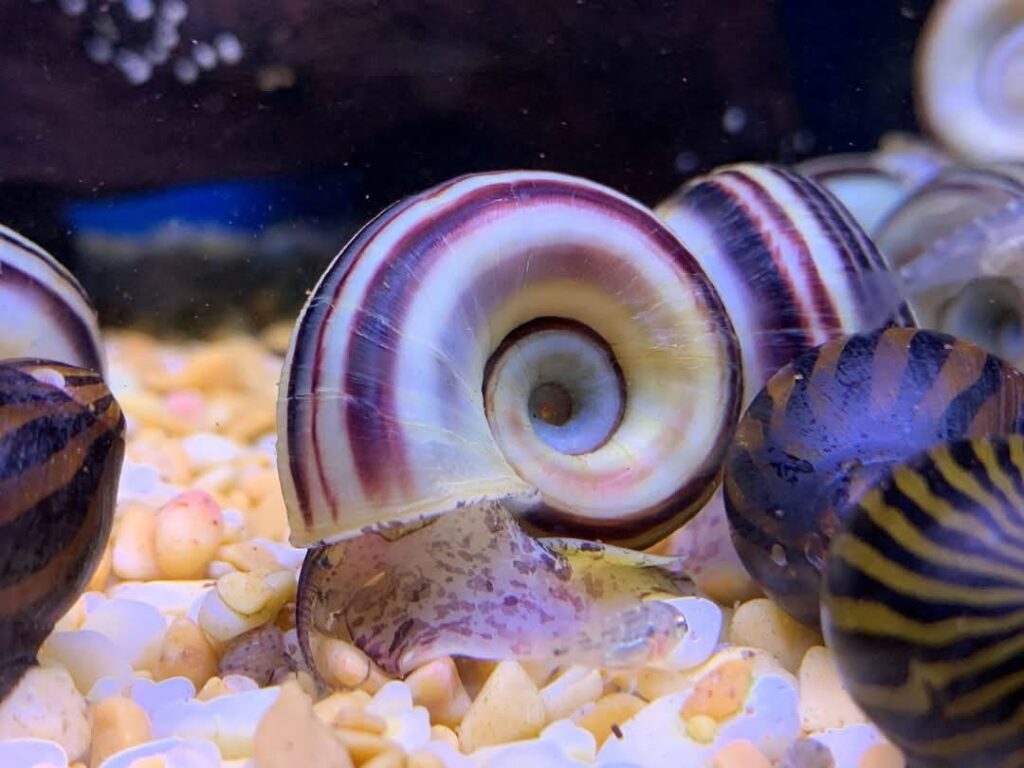
Best Commercial Foods for Mystery Snails
Commercial options make feeding easy and balanced.
- Algae Wafers: Popular and affordable. Brands like Hikari or Omega One work well. They provide plant matter and some protein. Many aquarists feed one wafer per snail every few days.
- Shrimp Pellets and Bottom Feeder Foods: Sinking pellets like Hikari Crab Cuisine or Aqueon Shrimp Pellets offer protein and calcium. These mimic natural scavenging.
- Snail-Specific Foods: Products like Repashy Snello or Aquatic Arts options target snails directly. They often include calcium and vitamins.
- Fish Flakes or Pellets: Leftover sinking fish food supplements well, but don’t rely on it alone.
Remove uneaten portions after 12–24 hours to prevent water fouling. Mystery snails eat a lot—more than you might expect—so adjust based on your tank. However, they also defecate a lot, making it important to understand and clean the poop regularly.
Vegetables and Natural Foods: The Core of Their Diet
Blanched vegetables top the list for many keepers. Blanching (boiling briefly, then cooling) softens them and removes pesticides.
Top choices include:
- Spinach and kale: High in calcium. Blanch 3–5 minutes.
- Zucchini (courgette): Easy to prepare; slice and weigh down.
- Cucumber: Refreshing and hydrating.
- Broccoli, carrots, peas: Good variety.
- Romaine lettuce or green beans (canned, no salt): Occasional treats.
Aquarists rave about these. One Reddit user said: “They MOWED down [kale]… it was adorable!” Another: “Blanched veggies, spinach, kale, courgette and broccoli… they eat it all up in 24hrs.”
Avoid overfeeding acidic veggies like tomatoes—they can affect pH. If you have to, always wash thoroughly.
Protein Sources: Don’t Forget This Part
Though plant-based, mystery snails benefit from protein. It supports growth and energy.
Options:
- Frozen or freeze-dried bloodworms, brine shrimp.
- Shrimp pellets (as above).
- Occasional cooked fish or meat bits (small amounts).
Experts note omnivore needs. From r/AquaticSnails: “They actually need a good amount of veggies, meaty proteins, and calcium for maximum health.”
Homemade Snello: A Favorite Among Dedicated Keepers
Snello (snail jello) is a homemade staple. It’s nutritious, customizable, and sinks well.
Basic recipe (adapted from popular sources):
- 1 packet unflavored gelatin.
- Baby food (vegetable-based, high calcium) or pureed veggies.
- Fish food flakes or pellets for protein.
- Calcium powder (from cuttlebone or supplements).
- Optional: Shrimp or spirulina.
Mix, set in molds, freeze portions. Feed small cubes daily. One aquarist shared: “I make a big batch and freeze… my oldest snail is 4.5 years and going strong!”
This extends lifespan—many report 1–2 years on minimal feeding vs. 4+ with variety.
Feeding Frequency and Amount
Feed daily or every other day. Juveniles need more; adults graze constantly.
Start small: A pinky-nail-sized portion per snail. Observe—they’ll rush to food thanks to their keen smell. Remove leftovers promptly.
In planted tanks with fish, they scavenge extras, but supplement for balance. One guide notes: “Some experts recommend feeding aquatic snails as much food as those snails can consume in under three minutes, twice daily.”
Calcium Sources and Water Parameters
Understanding mystery snail water parameters is as essential as feeding them. Temperature, pH, water hardiness and availability of minerals like calcium greatly affect the well-being of your snails.
Key calcium sources for mystery snails include:
- Cuttlebone (float or sink).
- Crushed coral or supplements like Seachem Equilibrium.
- Foods above.
Test GH/KH—aim higher for shell health. Pitted shells? Boost minerals.
Foods to Avoid
- Copper: Toxic (check labels on foods/meds).
- High-phosphorus items (risk algae blooms).
- Salty or processed human foods.
Expert Quotes and Insights
Experienced aquarists offer wisdom:
- Aquarium Co-Op: “As scavengers, they are not picky eaters and will eat way more than you think is possible.”
- From forums: “Many years ago I used to feed my mystery snails 1 algae wafer a week… but none lived longer than 1-2 years. Now… my oldest snail is 4.5 years.”
- Aquatic Arts: “Mystery snails have a very keen sense of smell and will rush toward food as soon as it is dropped in the water.”
These highlight variety and consistency for thriving snails.
Common Mistakes and Troubleshooting
- Underfeeding: Leads to slow growth.
- Overfeeding: Pollutes water.
- Ignoring calcium: This results in weak shells.
- Poor removal of uneaten food: It leads to ammonia spikes.
Monitor activity—active snails with smooth shells indicate a good diet.
ALSO READ: Signs of Unhealthy Mystery Snail and What to DO
Final Thoughts
Feeding mystery snails well brings joy. They become active, colorful tank members that clean while entertaining. Start with variety—veggies, wafers, calcium—and watch them flourish. Your snails will thank you with strong shells and lively behavior.
Leave a Reply