Understanding Mystery Snail Water Parameters: Beginners Guide
Mystery snails bring life and motion to any tank. Their bright shells and gentle swaying tentacles make them fun to watch. But their health depends heavily on water quality. Poor parameters lead to stress, shell damage, or worse. Get the basics right, and your snails will live happily.
The article explores the essential water parameters for keeping mystery snails healthy in a freshwater aquarium. It covers ideal temperature, pH, hardness, and other key factors like ammonia and nitrates.
Main Key Points
- Mystery snails prefer slightly alkaline water with pH between 7.2 and 8.4 — lower levels can erode shells over time.
- Temperature range is 68–84°F (20–28°C), with many experts favoring 70–78°F (21–26°C) for best activity and shell growth.
- They thrive in moderately hard water, often gH 8–18 and kH 12–18, to support strong shells through calcium availability.
- Keep ammonia and nitrites at 0 ppm, nitrates low (under 20–30 ppm), and avoid copper entirely — it’s toxic to snails.
- Stable parameters beat perfect numbers; sudden changes, stress, or shock these sensitive creatures.
- Regular testing, partial water changes, and calcium sources (like cuttlebone or supplements) prevent issues like pitting or thinning shells.
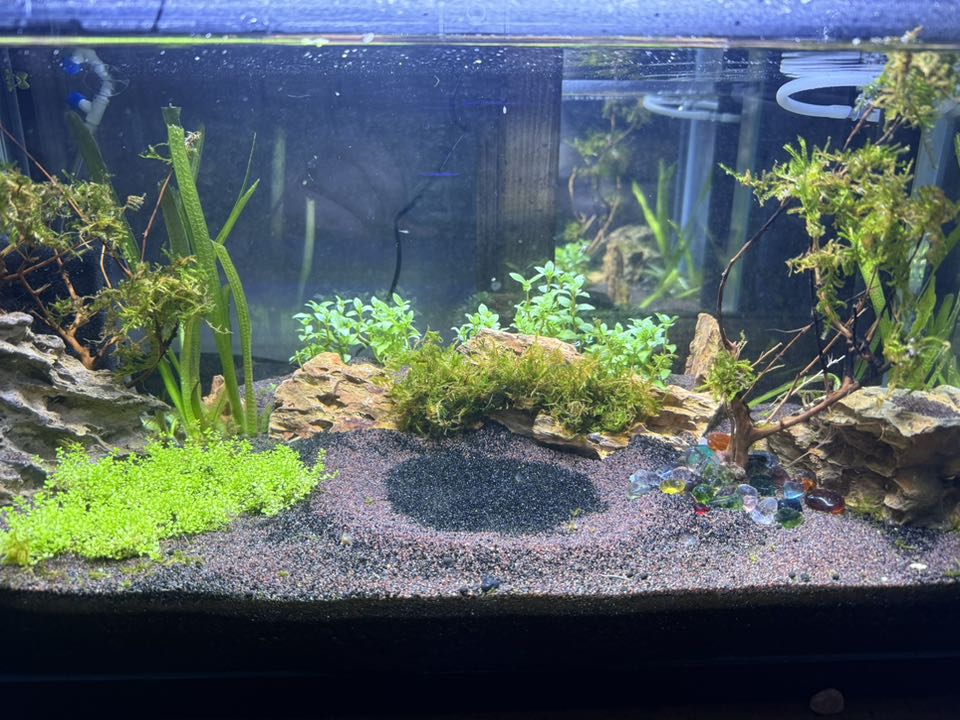
Essential Water Parameters for Mystery Snails
Water parameters refer to the chemical and physical traits of aquarium water. For mystery snails, the most critical ones are temperature, pH, hardness, dissolved minerals like calcium, and waste compounds (ammonia, nitrite, nitrate).
These snails are hardy compared to some invertebrates, but they show sensitivity through their shells and behavior. If your mystery snail’s shells change color, thin, or crack, it’s often a sign of trouble.
Temperature
Mystery snails handle a broad range, from 68°F to 84°F (20°C to 28°C). Many care guides settle on 70–78°F (21–26°C) as ideal. In this zone, snails stay active without over-stressing their metabolism. Warmer water (closer to 82–84°F) speeds up activity and breeding but shortens lifespan due to faster aging.
Cooler temps (68–72°F) slow growth, promote thicker shells, and extend life — great for juveniles or long-term pets.
One experienced aquarist notes: “68-72°F is best for promoting thick shells and a slower growth rate. Recommend temperature for newly hatched mystery snail until they are pea-sized.” This highlights how temperature influences shell development early on.
Water pH
pH is a measure of acidity or alkalinity. Mystery snails prefer slightly alkaline conditions. Most sources agree on 7.2 to 8.4, with many pushing for 7.6–8.4 to protect shells from erosion. Acidic water (below 7.0–7.2) dissolves calcium in the shell, causing pits, cracks, or thinning. This damage is permanent — shells don’t heal like skin.
Experts stress stability here. One guide explains: “The pH level should never drop below 7.5 because this neutral value can cause the shell to dissolve or grow improperly.” Another adds: “7.8-8.5 is best to avoid shell erosion from soft water. Shell erosion cannot be healed, so maintaining a high stable pH is crucial.”
Water Hardiness
Hardness ties directly to pH and shell health. General hardness (gH) measures overall minerals like calcium and magnesium. Carbonate hardness (kH) affects pH buffering. Mystery snails do best in moderately hard water: gH 8–18, kH 12–18. High calcium prevents deterioration.
A trusted care resource states: “The ideal general hardness (gH) for mystery snails is between 8-18° and carbonate hardness (kH) within a range of 12-18°. Hard water promotes healthy shell growth and prevents shell deterioration, which can be caused by soft, acidic water.”
Minerals (Calcium)
Calcium is non-negotiable. Snails absorb it from water and food to build and repair shells. Low calcium shows as dull, pitted, or deformed shells. Add calcium sources like cuttlebone and crushed coral to the filter.
Additionally, feed calcium-rich veggies — kale, spinach, or blanched broccoli — to boost intake.
Other Critical Parameters
Ammonia and nitrite must stay at 0 ppm. These toxins build from waste and uneaten food. Mystery snails produce moderate bioload, so good filtration and regular maintenance matter. Nitrates should stay below 20–40 ppm — higher levels stress snails over time.
Copper is deadly. Many fish medications contain it, and some tap water does too. Avoid anything copper-based. One owner warns: “Snails are very sensitive to copper, so watch out for copper if you use tap water in your tank.”
Dissolved oxygen helps too. Mystery snails use gills but also a siphon to gulp air at the surface — handy in low-oxygen spots. Gentle flow from filters or air stones keeps water moving without stressing them.
ALSO READ: Mystery Snail Tank Setup: Size and Compatible Mates
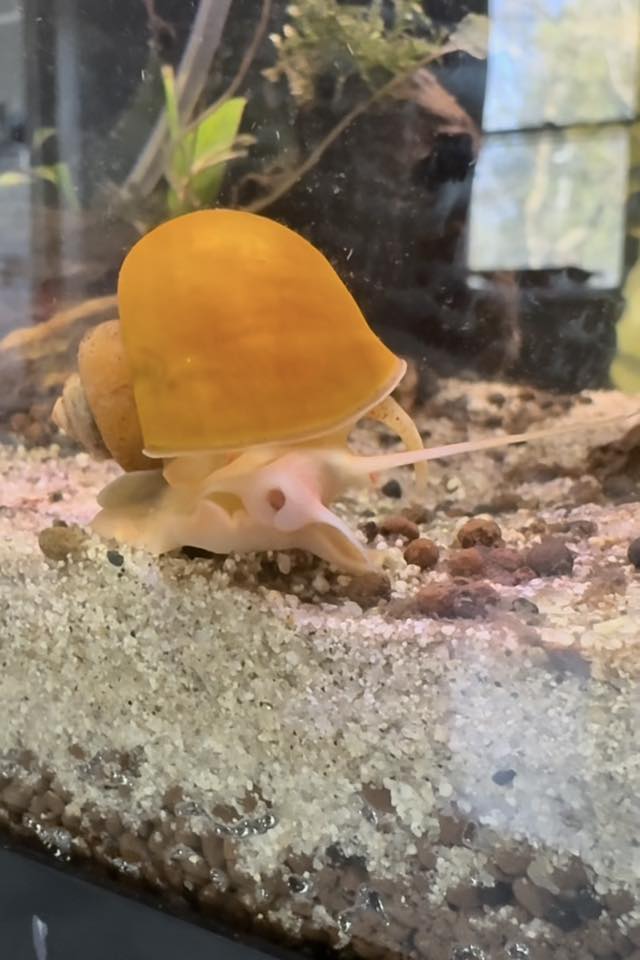
How to Maintain Ideal Conditions
Start with testing. Use liquid test kits or strips weekly for pH, gH, kH, ammonia, nitrite, and nitrate. Track trends to catch shifts early.
For pH and hardness adjustments:
- If pH is too low, add crushed coral or aragonite substrate — it slowly buffers upward.
- For hardness, use remineralizers or wonder shells/cuttlebone.
- Avoid drastic chemical pH swings — they shock snails more than gradual changes.
Water changes: Do 20–30% weekly with dechlorinated, temperature-matched water. This dilutes waste and refreshes minerals. Acclimate snails slowly to new water — float the bag first, then mix gradually.
Filtration: Choose gentle options like a sponge or HOB with intake guards. Mystery snails climb, so secure lids to prevent escapes. Read more about: Mystery Snail Escaping Tank (Signs, causes, and How to Prevent)
Common Issues and Solutions
Shell problems top the list. Pitting or thinning? Check pH (too low) and calcium (add supplements). Cracks might come from a rough substrate or falls.
Floating? Often normal — they trap air to “parasnail” down or rest. But a mystery snail constant floating with no movement could signal poor water or illness.
Lethargy or hiding? Test parameters first. High nitrates or ammonia cause this. Mystery snails climb to the surface when conditions worsen — a natural warning sign.
One forum user shared: “As these snails are sensitive to poor water conditions and low PH/Kh environments, they can be used as an indicator of poor water quality – as the water conditions deteriorate, they will move to the water surface.”
Final thought
Mystery snails reward good care. Healthy ones explore, clean algae, and add personality. They rarely harm plants (they prefer dead leaves or algae). In stable water, they breed readily — females lay pink egg clutches above the waterline.
But neglect parameters, and problems snowball. Soft, acidic water shortens life dramatically. Consistent effort pays off — your snails stay vibrant, active, and shell-perfect.
In short, aim for pH 7.6–8.4, temperature 70–78°F, moderate-to-hard water with strong calcium, and zero toxins. Test often, change water regularly, and watch your snails thrive. It’s simple care that brings real joy to any aquarium setup.