25 Guinea Pig Food Varieties: Complete Feeding Guide for a Healthy, Happy Cavy
The first time I sat down to plan my guinea pig’s diet properly, I felt a little overwhelmed. Hay, pellets, vegetables, fruit, all in the right proportions, all with the right nutrients.
It turns out, once you understand the basic structure, feeding a guinea pig well becomes second nature. The trick is variety, balance, and one very specific nutrient: vitamin C.
This guide walks through 25 guinea pig food varieties, organized into the categories your cavy actually needs. By the end, you’ll know exactly what to put in that food bowl, and why.
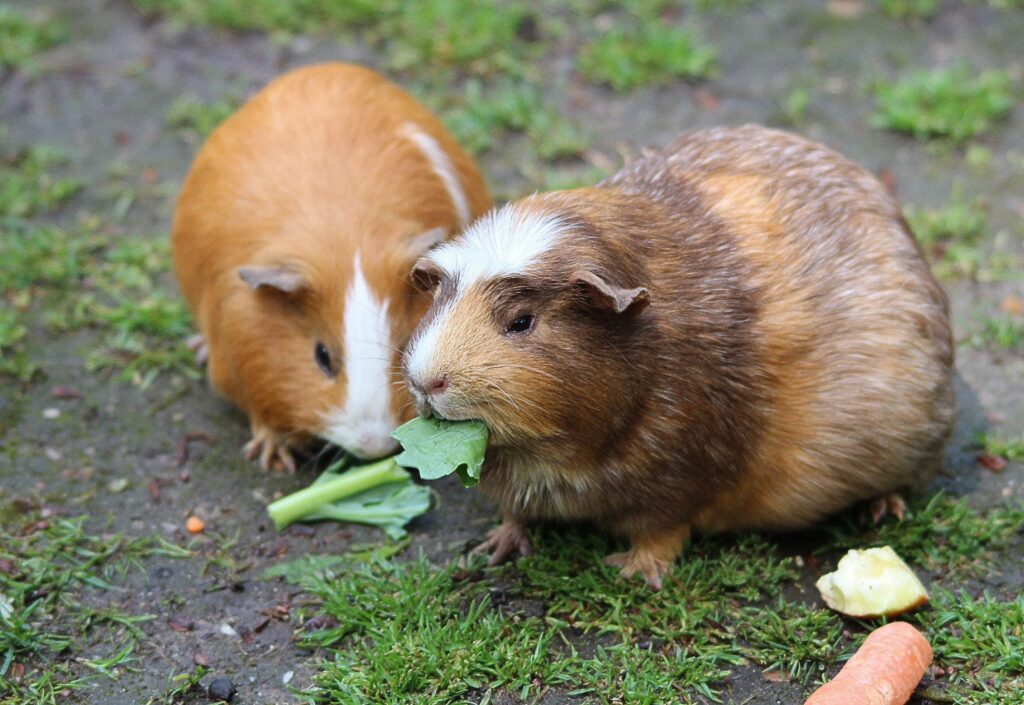
Why Guinea Pig Diet Matters So Much
Guinea pigs are strict herbivores with a digestive system built entirely around constant grazing on fibrous plant material. Their gut simply doesn’t function well without it.
They also share a rare trait with humans: guinea pigs cannot produce their own vitamin C. Without enough of it in their diet, they develop scurvy, a genuinely painful and preventable condition.
Research summarized through the National Institutes of Health shows guinea pigs generally need between 10 and 30 milligrams of vitamin C per kilogram of body weight daily, with higher amounts required during pregnancy.
That’s a specific, measurable requirement, not a vague guideline. Diet planning genuinely matters for this species, far more than for many other small pets.
Beyond vitamin C, guinea pigs also need consistent access to fiber for gut motility, moderate protein for tissue maintenance, and carefully limited calcium to avoid bladder and kidney stones later in life. Getting all of this right sounds complicated, but it comes down to just a handful of reliable categories, covered one by one in this guide.
The Basic Structure of a Guinea Pig Diet
Before diving into individual foods, it helps to understand the overall proportions veterinary sources recommend.
Roughly 80 to 90 percent of a guinea pig’s diet should be hay. This isn’t an exaggeration. Hay keeps their constantly growing teeth worn down and their digestive tract moving properly.
Pellets make up a small daily portion, typically one to two tablespoons per guinea pig, depending on size and body condition.
Fresh vegetables should be offered daily, around one cup total, while fruit stays limited to a small, occasional treat due to its sugar content.
Fresh water matters just as much as solid food. A sipper bottle or heavy, tip-resistant bowl should be checked and refilled at least once daily, since guinea pigs drink more when housed with hay and dry pellets than they would on an all-fresh diet.
With that framework in mind, let’s go through the 25 food varieties that fit into this structure.
Category 1: Hay and Forage (The Foundation)
1. Timothy Hay
Timothy hay is the gold standard staple for adult guinea pigs. It’s high in fiber, moderate in protein, and low enough in calcium to support long-term health.
Veterinary hospitals consistently recommend it as the default hay choice, available at all times, in unlimited amounts.
No real “preparation” is needed here, but quality control matters. Check that the hay is green rather than brown or yellow, since faded color usually signals age and nutrient loss. Give it a quick sniff too; fresh timothy hay should smell mildly sweet and grassy, not musty or dusty.
Storage affects quality just as much as freshness at purchase. Keep hay in a cool, dry, shaded spot, away from direct sunlight, and use a breathable container rather than a sealed plastic bag, which can trap moisture and encourage mold.
2. Orchard Grass Hay
Orchard grass offers a softer texture and slightly sweeter smell than timothy, making it a good option for guinea pigs that are picky eaters.
Nutritionally, it functions almost identically to timothy hay, so the two can be mixed or rotated freely.
As with timothy, there’s no cutting or washing involved. Simply fluff a fresh handful into the hay rack or corner of the enclosure daily, removing any soiled or trampled hay from the day before to keep things clean and appealing.
Because orchard grass tends to be softer, it can compact more easily at the bottom of a hay pile. Fluffing or rotating the hay supply periodically helps guinea pigs access fresh strands instead of just the flattened bottom layer.
3. Meadow Hay (Oat Hay)
Meadow or oat hay includes a broader mix of grasses and plant stems, adding textural variety to a guinea pig’s daily grazing.
It works well as a rotation option alongside timothy or orchard grass, particularly for guinea pigs that enjoy variety.
Oat hay sometimes includes seed heads still attached to the stem. These are generally safe in small quantities, but it’s worth checking that seed heads aren’t moldy or overly hard, especially for younger or older guinea pigs with sensitive teeth.
Since meadow hay blends can vary batch to batch, it helps to buy from a supplier with consistent sourcing and to introduce a new batch gradually alongside a familiar hay, just as you would with any new food.
4. Fresh Grass
If pesticide-free grass is available, guinea pigs benefit from direct grazing outdoors, closely mimicking their natural wild diet.
This should be introduced gradually, since a sudden switch from dry hay to fresh grass can occasionally upset digestion.
Always confirm the grass hasn’t been treated with pesticides, herbicides, or fertilizer before allowing access, and avoid areas near roads where exhaust residue or litter might collect. A secure, predator-proof outdoor pen works well for supervised grazing sessions.
If bringing grass indoors instead of grazing outside, cut it fresh and offer it within a few hours, since cut grass left sitting too long can ferment slightly and cause digestive upset. Avoid lawnmower clippings entirely, as they heat up and spoil almost immediately.
Category 2: Pellets (The Nutritional Backup)
5. Timothy-Based Guinea Pig Pellets
Quality pellets fill in nutritional gaps, especially vitamin C, since it degrades quickly once hay and produce are cut.
Look specifically for plain, timothy-based pellets with no seeds, nuts, dried fruit, or colorful add-ins. Alfalfa-based pellets should be avoided for adults, as they carry too much calcium.
Veterinary guidance also notes that vitamin C in pelleted food breaks down within about 90 days of milling, so buying smaller, fresher bags matters more than it might seem.
Measure pellets rather than free-feeding them. A standard measuring tablespoon or a small kitchen scale keeps portions consistent, since guinea pigs will often eat pellets over hay if given unlimited access, which can crowd out the fiber they need most.
Serve pellets in a heavy ceramic or stainless-steel bowl that can’t easily be tipped over, and wash it daily. Check the milling date printed on the bag before purchase, and try to use the full bag within two to three months to avoid feeding stale, vitamin-depleted pellets.
Category 3: Leafy Greens (Daily Vitamin C Source)
6. Romaine Lettuce
Romaine is a reliable daily green, offering decent vitamin C without the excess water content of iceberg lettuce, which offers little nutritional value.
Wash each leaf thoroughly under running water to remove dirt, residue, or trace pesticides, then shake off excess moisture before serving. Tear or chop the leaves into smaller, bite-sized pieces, which most guinea pigs find easier to grab and chew than a whole leaf.
Serve romaine at room temperature rather than straight from the fridge, since cold, wet greens can occasionally contribute to a chill or mild digestive upset. Remove any uneaten portion after two to three hours to keep it from wilting or spoiling in the enclosure.
7. Red and Green Leaf Lettuce
Both varieties work well in rotation with romaine, adding color variety and slightly different nutrient profiles to a guinea pig’s daily greens.
Preparation follows the same routine as romaine: rinse well, pat or shake dry, and tear into manageable pieces rather than serving a whole leaf, which can be harder for smaller guinea pigs to tackle cleanly.
Leaf lettuce wilts faster than sturdier romaine, so it’s best bought in smaller quantities and used within a few days. Store it wrapped loosely in a paper towel inside a produce bag to help it stay crisp longer in the refrigerator.
8. Kale
Kale is nutrient-dense and popular with many guinea pigs, though it’s higher in calcium, so it should be offered a few times a week rather than daily.
Strip the leafy portion away from the tougher central stem, which many guinea pigs find harder to chew, and tear the leaves into smaller pieces before rinsing thoroughly to remove any grit, since kale’s textured surface tends to hold onto dirt more than smoother greens.
Because kale is calcium-dense, it pairs well on a rotation schedule alongside lower-calcium greens like romaine, keeping the week’s overall calcium intake balanced rather than concentrated in a single vegetable.
9. Cilantro (Coriander)
Cilantro is a favorite among many cavies and provides a good vitamin C boost. Some guinea pigs love it immediately, while others need time to adjust to the taste.
Rinse the leaves and stems together under cool water, since both parts are safe to eat, then shake off excess water and offer a small handful, roughly a sprig or two per guinea pig, rather than a large bunch.
Cilantro is delicate and wilts quickly once cut, so buy it close to when you plan to use it and store the stems upright in a small glass of water in the fridge, similar to how you’d keep fresh cut flowers, to extend its freshness by several days.
10. Parsley
Parsley is rich in vitamin C but also relatively high in calcium, so moderation matters here too, especially for guinea pigs prone to bladder stones.
Wash the sprigs well and remove any thick, woody lower stems, which are harder to chew than the leafy tops. A few sprigs, roughly a tablespoon’s worth once chopped, is a reasonable single serving for one guinea pig.
Because of its calcium content, parsley works best offered two to three times a week rather than daily, ideally alternated with lower-calcium greens like romaine to keep the overall weekly diet in balance.
Category 4: Everyday Vegetables
11. Bell Peppers
Bell peppers, especially red ones, are among the highest vitamin C sources available for guinea pigs, often exceeding the vitamin C content of citrus fruit per 100 grams.
Wash the pepper, then remove the stem, seeds, and white inner pith, none of which offer nutritional value and which some guinea pigs simply won’t eat anyway. Slice the remaining flesh into thin strips, which are easy to hold and chew.
Red, yellow, and orange peppers generally carry more vitamin C than green ones, since the color change reflects ripeness. Rotating between colors offers a small nutritional edge alongside simple variety in the food bowl.
12. Tomato
Ripe tomato flesh offers a nice vitamin C boost and is generally well tolerated, though the stem and leaves should always be avoided, as they’re toxic.
Wash the tomato and remove the green stem and any attached leafy portion completely before slicing the ripe flesh into small wedges or chunks. Only fully ripened, red tomato should be offered; green, unripe tomato carries higher levels of solanine, a compound best avoided.
Because tomato is fairly acidic, it’s best offered in small quantities, two or three times a week, rather than daily, and always paired with a check for any lingering green parts before serving.
13. Cucumber
Cucumber is low in calories and hydrating, making it a light, refreshing addition, though it offers relatively little in the way of concentrated nutrients.
Wash the cucumber and slice it into thin rounds or small sticks, leaving the skin on if it’s unwaxed, since much of the fiber sits just under the surface. If the cucumber is store-bought and waxed, peeling it first is the safer choice.
Because cucumber is mostly water, it doesn’t offer much beyond hydration and crunch. Pairing it with a more nutrient-dense green, like romaine or cilantro, in the same serving keeps the overall meal balanced.
14. Zucchini (Courgette)
Zucchini is a gentle, easy-to-digest vegetable that most guinea pigs accept well, and it pairs nicely with leafier greens in a mixed daily portion.
Rinse the zucchini and slice it into thin coins or matchsticks, leaving the skin intact, since it’s soft enough for guinea pigs to chew easily and adds a bit of extra fiber. There’s no need to peel or seed it at this stage of ripeness.
Choose smaller, younger zucchini when possible, as larger, older ones can develop tougher skin and more prominent seeds, which are less appealing and slightly harder to digest.
15. Carrot
Carrots are popular and safe, but higher in natural sugar than leafy greens, so they work best as a small daily addition rather than the main vegetable.
Scrub the carrot well under running water, or peel it if it’s not organic, then slice it into thin rounds or small sticks roughly the width of a finger, which are easy for guinea pigs to hold and gnaw on.
Carrot tops, the leafy green stems, are also safe and can be offered occasionally alongside the root itself. A single small carrot or a few thin slices is plenty for one guinea pig’s daily portion.
16. Broccoli
Broccoli provides solid vitamin C, though it can occasionally cause gas in sensitive guinea pigs, so it’s best introduced slowly and offered in moderation.
Wash the broccoli thoroughly, since floret clusters tend to trap dirt and residue, then separate small florets from the thicker stalk, which can also be peeled and sliced thin if you’d like to offer it as well.
Start with a very small piece the first few times, and watch for gas-related discomfort, such as a hunched posture or reduced appetite, before making broccoli a regular part of the rotation.
17. Snap Peas or Snow Peas
These crunchy pods are generally well received and offer a light, low-calorie option that adds variety to the vegetable rotation.
Wash the pods and trim off the tough stem end, then offer them whole or sliced in half, depending on your guinea pig’s size and chewing preference. The pods themselves, not just the peas inside, are perfectly safe to eat.
Avoid pods that look overly fibrous or starting to yellow, since texture becomes noticeably tougher as the pods age, making them less enjoyable and slightly harder to digest.
18. Celery
Celery should be cut into small pieces before feeding, since the long fibrous strings can occasionally pose a minor choking concern for smaller guinea pigs.
Wash the stalk well, then use a vegetable peeler to strip away the tough outer strings running along the length of the stalk before chopping it into short, manageable segments, roughly half an inch long.
Because celery is largely water and fiber with a fairly mild nutrient profile, it works best as a textural addition to a meal rather than a primary vegetable, offered alongside more nutrient-dense choices like bell pepper or leafy greens.
Category 5: Herbs and Wild Forage
19. Dandelion Greens
Dandelion greens, when picked from pesticide-free areas, are a traditional favorite, closely resembling what wild guinea pig ancestors would have grazed on.
If foraging them yourself, pick from areas well away from roads, treated lawns, or dog-walking paths, and rinse the leaves thoroughly to remove soil and any residue. Both the leaves and the yellow flower are safe, though the leaves are generally more readily eaten.
If store-bought dandelion greens aren’t available and foraging isn’t practical, some pet stores and specialty suppliers sell pre-washed dandelion greens intended for small animals, which removes the guesswork around pesticide exposure entirely.
20. Basil
Basil adds aromatic variety and modest nutritional value. Like other calcium-containing herbs, it’s best offered in small, occasional amounts.
Rinse the leaves gently, since basil bruises easily, and offer just a leaf or two per guinea pig rather than a full sprig. There’s no need to remove the stem on young, tender basil, though older, woodier stems can be set aside.
Fresh basil wilts quickly once picked, so buy small amounts and use them within a day or two, storing any extra loosely wrapped in a slightly damp paper towel in the refrigerator.
Category 6: Fruits (Occasional Treats Only)
21. Strawberries
Strawberries carry a solid vitamin C content, but their natural sugar means they should stay limited to a small piece, once or twice a week.
Rinse the berry well and remove the leafy green top, which isn’t toxic but offers no benefit and is rarely eaten anyway. Slice a small strawberry in half, or quarter a larger one, since a whole berry is often more than one guinea pig needs in a single sitting.
Serve strawberries at room temperature rather than fridge-cold, and treat one half or quarter berry as a full serving, saving the rest for another day rather than offering the whole fruit at once.
22. Blueberries
Blueberries are a small, manageable treat size, making portion control easy, though they should still be treated as an occasional extra, not a daily food.
Wash the berries under running water to remove any residue, and offer them whole or gently squeezed to release a bit of juice, since some guinea pigs find the taste more appealing that way. No peeling or cutting is required given their small size.
A serving of two to three blueberries is generally plenty for one guinea pig, offered once or twice a week rather than as a regular daily addition.
23. Apple
Apple slices are widely enjoyed, but seeds must always be removed, and the core should be avoided as well, before offering a small piece.
Wash the apple thoroughly, then cut it into quarters, remove the core and all visible seeds, and slice a small wedge into thinner pieces. Apple seeds contain trace amounts of a compound that releases cyanide when broken down, so this step matters even for a small treat.
The skin is safe to leave on if the apple is unwaxed and well washed, but peeling it is a reasonable extra precaution if the apple is store-bought and possibly waxed or heavily sprayed.
24. Banana
Banana is soft, easy to eat, and popular with many guinea pigs, though its higher sugar and calorie density mean a very small portion goes a long way.
Peel the banana and slice off a small round, roughly a quarter-inch thick, rather than offering a larger chunk. The soft texture makes it easy for guinea pigs of any age to eat, including seniors with dental sensitivity.
Because banana is calorie-dense, one small slice, offered once a week at most, is a sensible upper limit, especially for guinea pigs that are already at the higher end of a healthy weight.
25. Orange
A small wedge of orange offers a genuine vitamin C boost, though citrus acidity can occasionally irritate sensitive mouths, so introduce it gradually and in small amounts.
Peel the orange completely, since the peel isn’t part of a typical serving, and remove any seeds along with the tougher white pith before offering a small segment or two of the juicy flesh.
Watch for mild mouth sensitivity after the first few servings, such as excessive drooling or reluctance to keep eating, since citrus acidity affects some guinea pigs more than others, and reduce or skip the fruit if this happens.
Quick Reference Table: 25 Guinea Pig Foods by Category
| Category | Foods | Feeding Frequency |
| Hay & Forage | Timothy, orchard grass, meadow hay, fresh grass | Unlimited, daily |
| Pellets | Timothy-based pellets | 1–2 tbsp daily |
| Leafy Greens | Romaine, leaf lettuce, kale, cilantro, parsley | Daily, rotate varieties |
| Vegetables | Bell pepper, tomato, cucumber, zucchini, carrot, broccoli, snap peas, celery | Daily, mixed selection |
| Herbs/Forage | Dandelion greens, basil | A few times weekly |
| Fruits | Strawberry, blueberry, apple, banana, orange | 1–2 times weekly, small portions |
Foods to Avoid Completely
Not everything green or edible is safe for a guinea pig. A few categories deserve a clear warning.
Avoid iceberg lettuce. It offers almost no nutritional value and can cause digestive upset in larger amounts.
Avoid onions, garlic, and raw potatoes. These are toxic to guinea pigs and can cause serious digestive or blood-related harm.
Never feed seeds, nuts, or dried fruit mixes, even those marketed specifically for guinea pigs. These are often high in fat and offer little nutritional benefit.
Skip dairy, meat, and animal-based products entirely. Guinea pigs are strict herbivores, and animal protein can seriously disrupt their digestive system.
Avoid rabbit pellets. They lack vitamin C, and some formulations include medications that are unsafe for guinea pigs specifically.
The Science Behind the Vitamin C Requirement
Guinea pig vitamin C research goes back nearly a century. Early studies published in the Biochemical Journal, now archived through NIH’s research library, helped establish just how precisely guinea pigs depend on dietary ascorbic acid.
One classic 1936 study found that scurvy could be prevented with as little as 1.3 to 2.5 milligrams per day, though higher amounts were needed to support proper wound healing, bone regeneration, and reproduction.
A separate PNAS study, examining vitamin C needs under physical stress, found that young guinea pigs needed considerably more ascorbic acid than the amount required simply to prevent scurvy, particularly during recovery from injury.
This body of research is part of why modern guinea pig nutrition guidelines lean toward the higher end of the vitamin C range, rather than the bare minimum needed to avoid visible illness.
Sample Daily Feeding Plan
Putting all 25 foods into practice doesn’t need to be complicated. Here’s what a balanced day might look like.
Morning: Fresh timothy hay refilled, one tablespoon of timothy-based pellets, and a small handful of romaine lettuce with parsley.
Afternoon: A vegetable mix, such as bell pepper, cucumber, and a few snap peas, offered alongside continued access to hay.
Evening: Dandelion greens or kale, plus continued unlimited hay access, with fresh water available throughout the entire day.
Occasionally (once or twice weekly): A small piece of fruit, such as strawberry or apple, offered as a treat rather than a meal component.
ALSO READ: 20 Types of Guinea Pigs: (Breed Identification, With Pictures)
How to Introduce New Foods Safely
Guinea pigs have sensitive digestive systems, and sudden dietary changes can cause real problems. New foods should always be introduced gradually, one at a time, in small amounts.
Start with a small piece, roughly a teaspoon-sized portion, and watch for any changes in stool consistency or appetite over the following day.
If everything looks normal, you can slowly increase the portion over several days. If soft stool, bloating, or reduced appetite appears, remove the new food and wait before trying again.
This approach matters even for foods considered generally safe. Every guinea pig’s gut flora is slightly different, and what one cavy tolerates easily might not sit well with another.
It’s also worth introducing only one new food at a time. Adding several unfamiliar vegetables simultaneously makes it far harder to identify the cause if a digestive issue does show up.
Signs Your Guinea Pig’s Diet Needs Adjusting
Even with a solid feeding plan, it helps to know what warning signs to watch for. Diet-related problems often show up gradually, before they become serious.
A rough, dull coat can be an early sign of insufficient vitamin C, particularly if paired with reduced energy or a reluctance to move around normally.
Overgrown or misaligned teeth frequently point to insufficient hay intake, since chewing fibrous grass is what naturally wears guinea pig teeth down over time.
Soft stool or diarrhea often follows too much fruit, too many high-water vegetables like cucumber, or a new food introduced too quickly.
Unexplained weight gain can result from excess pellets, too much fruit, or treats replacing hay as the main source of calories.
If any of these signs appear, a veterinary visit is worthwhile. Diet-related health issues are usually reversible once caught early, but they rarely resolve on their own without a change in feeding habits.
Why Rotation and Variety Matter Long-Term
Feeding the same two or three vegetables every day might seem simpler, but rotating a wider variety brings real nutritional benefits.
Different vegetables and greens offer slightly different vitamin, mineral, and fiber profiles. Relying on just one or two sources can leave gaps, even if the total volume looks sufficient.
Variety also matters for interest and mental stimulation. Guinea pigs, like many animals, respond well to novelty in their environment, and mealtime is no exception.
A simple rotation schedule, cycling through five or six different vegetables across the week, keeps things nutritionally balanced without requiring a complicated meal plan.
Feeding Across Different Life Stages
Nutritional needs shift as a guinea pig grows, and a one-size-fits-all portion plan doesn’t quite capture that.
Young guinea pigs, under six months of age, generally need more calories and calcium to support rapid growth. Alfalfa hay is often appropriate during this early stage, alongside unlimited access to fresh vegetables.
Adult guinea pigs, from about six months onward, should transition to timothy or orchard grass hay, since their calcium needs drop significantly once growth slows.
Pregnant or nursing guinea pigs require considerably more vitamin C, often cited at 30 to 40 milligrams daily, along with slightly increased calcium to support development and milk production.
Senior guinea pigs, generally those older than five or six years, sometimes need softer vegetables and closer monitoring of weight, since dental issues and reduced activity become more common with age.
Adjusting portions and food choices at each stage helps prevent both undernutrition in growing or pregnant guinea pigs and excess weight gain in adults and seniors.
Frequently Asked Questions About Guinea Pig Food
How much hay does a guinea pig need daily? Hay should make up roughly 80 to 90 percent of a guinea pig’s total diet and should be available in unlimited quantities at all times.
Can guinea pigs eat fruit every day? No. Fruit should be limited to small portions once or twice a week due to its high natural sugar content.
Do guinea pigs really need vitamin C supplements? Most guinea pigs can meet their needs through fortified pellets and vitamin C-rich vegetables, though pregnant, ill, or elderly guinea pigs sometimes need extra supplementation.
What vegetables should be avoided? Iceberg lettuce, raw potato, onion, and garlic should all be avoided, along with any seed, nut, or dried fruit mixes.
Why does my guinea pig’s pellet food need to be fresh? Vitamin C degrades over time, and most pelleted foods lose significant potency within about 90 days of the milling date.
Final Thoughts
Feeding a guinea pig well isn’t complicated once you understand the structure: hay first, pellets second, then a daily rotation of vegetables, herbs, and occasional fruit.
I’ve come to enjoy the small ritual of mixing a fresh vegetable bowl each morning. It’s a simple routine, but it makes a real difference in a guinea pig’s health and happiness.
Start with a few staples from this list of 25 guinea pig food varieties, rotate them regularly, and always introduce anything new slowly. Your guinea pig’s gut, and your peace of mind, will thank you.
A well-fed guinea pig tends to show it, through a glossy coat, steady energy, and genuine enthusiasm at mealtime. That’s really the whole goal here, and it’s well within reach with a little planning and a bit of patience along the way.
References
- NC State University College of Veterinary Medicine, Caring for Your Pet Guinea Pig: https://hospital.cvm.ncsu.edu/services/small-animals/nutrition/caring-for-your-pet-guinea-pig/
- UC Davis School of Veterinary Medicine, Guinea Pig Care: https://healthtopics.vetmed.ucdavis.edu/health-topics/exotics/guinea-pig-care
- Seattle Animal Shelter (Seattle.gov), Care Guide for Guinea Pigs: https://www.seattle.gov/documents/Departments/AnimalShelter/care-guides/care-sheet-guinea-pig.pdf
- National Institutes of Health, NCBI Bookshelf, Nutrient Requirements of the Guinea Pig: https://www.ncbi.nlm.nih.gov/books/NBK231932/
- National Institutes of Health, PMC, Vitamin C Requirements of the Guinea-Pig (Zilva, Biochemical Journal, 1936): https://pmc.ncbi.nlm.nih.gov/articles/PMC1263201
- National Institutes of Health, PMC, “Recommended Daily Allowances” for Vitamin C (Proceedings of the National Academy of Sciences, 1973): https://pmc.ncbi.nlm.nih.gov/articles/PMC433403
- Oklahoma State University, Guinea Pigs as Pets: https://news.okstate.edu/articles/communications/2020/guinea-pigs-as-pets