Understanding Goldfish Popeye Disease: Symptoms and What to Do
Goldfish are resilient, but not invincible. One condition that concerns many fish keepers — both beginners and experienced hobbyists — is Popeye disease, also known as exophthalmia. It is a distressing sight: one or both eyes of a once-healthy goldfish suddenly bulging outward in an unnatural way.
Popeye disease is not a single disease in the strict medical sense. It is a symptom — specifically, the abnormal protrusion of one or both eyes from their sockets.
The medical term for this condition is exophthalmia or exophthalmos. The name “Popeye” comes from the obvious visual resemblance to the exaggerated eyes of the cartoon character.
The bulging occurs because fluid accumulates behind the eye. This buildup of fluid — whether from infection, injury, or internal organ dysfunction — pushes the eyeball forward and outward. In mild cases, the eye protrudes slightly.
In severe or untreated cases, the eye may look as though it is about to fall out of the socket, and the cornea (the clear outer surface) may appear cloudy or damaged. Popeye can affect one eye (unilateral) or both eyes (bilateral). This distinction matters — it often gives clues about the cause.
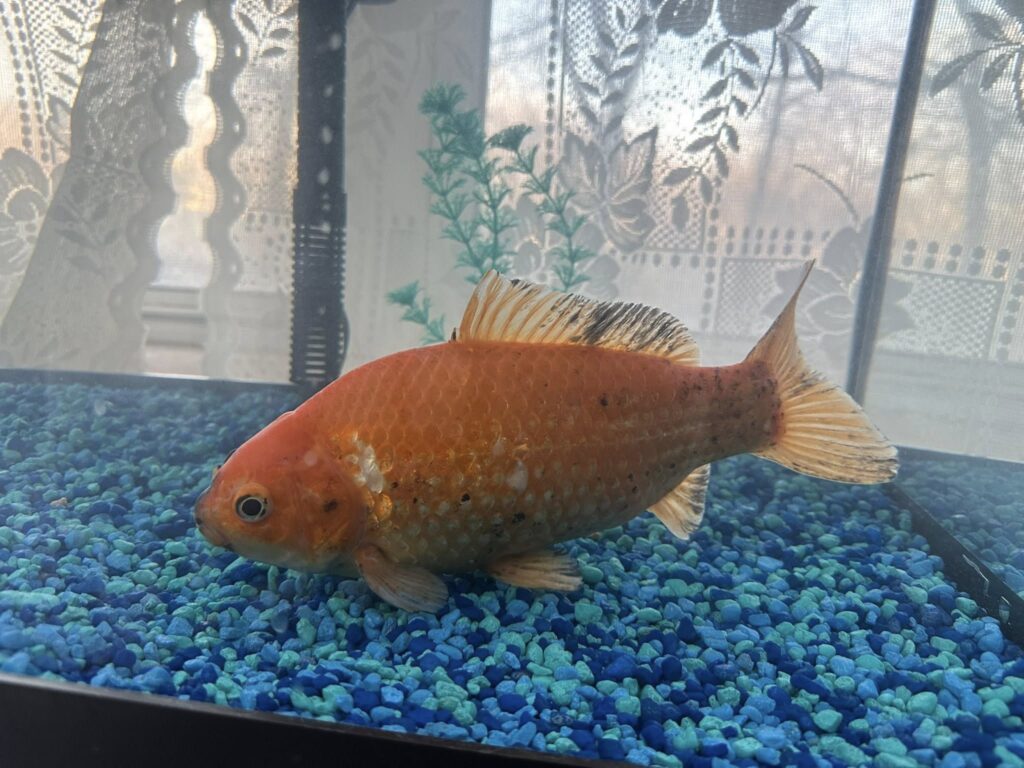
Types of Popeye: Unilateral vs. Bilateral
Unilateral Popeye (affecting one eye only) is most commonly caused by a physical injury — for example, a goldfish colliding with a sharp decoration, a rock, or even the glass of the tank. The trauma damages the tissues around the eye and leads to localized fluid buildup..
Bilateral Popeye (affecting both eyes simultaneously) is more serious. It typically indicates a systemic infection or a problem affecting the entire body — such as a bacterial infection that has spread internally, poor water quality over time, or organ failure.
Both-eye Popeye is harder to treat and often signals that the fish’s overall health has already been compromised.
What Causes Popeye Disease in Goldfish?
Understanding the root causes helps in both treatment and prevention.
1. Bacterial Infection
The most common cause of Popeye in goldfish is infection by bacteria, particularly gram-negative bacteria such as Aeromonas, Pseudomonas, and Mycobacterium species. These bacteria can enter the fish’s body through small wounds, compromised skin, or a weakened immune system. Once inside, they trigger inflammation and fluid accumulation behind the eye.
2. Poor Water Quality
This is perhaps the most preventable cause. Goldfish living in water with high levels of ammonia, nitrite, or nitrate experience chronic physiological stress. Over time, this weakens their immune system and damages tissue integrity. Poor water conditions do not directly cause Popeye, but they create the ideal environment for bacterial infections to take hold.
3. Physical Injury
Sharp-edged tank decorations, rough gravel, overcrowding, or aggressive tank mates can physically wound a goldfish near the eye. The injury itself may trigger fluid accumulation, or it may create an entry point for bacteria.
4. Parasitic Infection
Certain parasites, though less commonly than bacteria, can cause inflammation severe enough to push the eye forward. Internal parasites that affect organs may also indirectly contribute to fluid imbalance in the body.
5. Internal Organ Disease
Kidney disease, liver dysfunction, and other internal conditions can cause generalized fluid retention in the body — a condition called dropsy in fish. When this fluid accumulates behind the eyes, Popeye results. If a goldfish shows both Popeye and a pinecone-like scaling pattern (raised scales), dropsy is likely involved, and the prognosis is unfortunately quite poor.
6. Viral Causes
Though rarer and less well-documented, some viral infections have been associated with ocular swelling in fish. These are difficult to diagnose and have no specific antiviral treatment.
Recognizing the Symptoms
Catching Popeye early improves the chance of recovery. Here is what to look for:
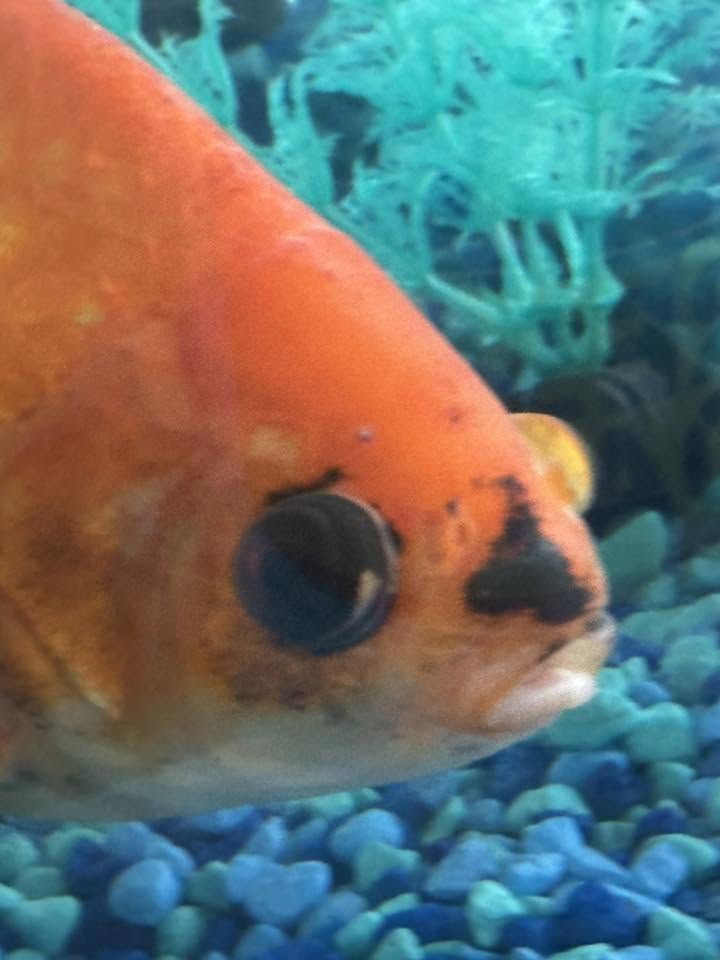
The primary sign is one or both eyes visibly protruding beyond their normal position. Even a slight bulge that was not there before warrants attention.
Secondary signs to watch for include:
- A cloudy, opaque, or whitish appearance to the eye
- Redness or blood spots around the eye socket
- A white ring around the eye (this suggests fluid has built up to a severe degree)
- The fish becoming lethargic or resting near the bottom of the tank
- Loss of appetite
- Clamped fins (fins held tight against the body)
- Abnormal swimming behavior
If the underlying cause is bacterial septicemia, you may also notice red streaks on the fins or body, hemorrhaging, or general swelling of the abdomen.
How Is Popeye Diagnosed?
For most fish keepers, a visual inspection is the starting point. The protrusion of the eye is usually obvious. However, identifying the cause requires a bit more investigation.
Check water parameters first. Test for ammonia, nitrite, nitrate, and pH. Elevated ammonia or nitrite almost always points to the aquarium nitrogen cycle being out of balance. Nitrate levels above 20–40 ppm in a long-term setup, combined with infrequent water changes, suggest chronic poor water quality.
Observe the fish’s behavior and physical condition. Is one eye or both eyes affected? Are there visible injuries? Do the scales look raised? Is the abdomen swollen? These observations help narrow down the cause.
If you are uncertain, consult a veterinarian who specializes in aquatic animals. Some veterinary clinics can perform cultures and sensitivity tests to identify the specific bacteria involved, which allows for more targeted antibiotic treatment.
Treatment for Goldfish Popeye Disease
There is no universal cure for Popeye, because the treatment depends on the cause. That said, the following approach covers the essential steps for most cases.
Step 1: Quarantine the Affected Fish
Move the sick goldfish to a clean, separate quarantine tank immediately. This prevents any potential spread of infection to other fish and reduces stress by removing competition for food and space. The quarantine tank should be properly cycled or, at minimum, have conditioned water with stable parameters.
Step 2: Improve Water Quality
Whether the cause is bacterial, traumatic, or internal, clean water is the foundation of recovery. Perform a 25–30% water change with dechlorinated water matched to the correct temperature. Continue monitoring ammonia, nitrite, and nitrate levels throughout the treatment period.
Step 3: Add Aquarium Salt
Aquarium salt (sodium chloride, not table salt) used at a dosage of 1 tablespoon per 5 gallons can help reduce osmotic stress on the affected eye, support the fish’s body fluid regulation, and create a mildly inhospitable environment for certain bacteria. It will not cure Popeye on its own, but it is a helpful supportive measure.
Step 4: Use Antibiotics
For bacterial Popeye — which is the most common form — antibiotic treatment is necessary. The most commonly used antibiotics for fish include:
- Kanamycin — often considered the most effective for gram-negative bacterial Popeye; available in products such as Seachem KanaPlex
- Erythromycin — effective against some gram-positive bacteria; available in products such as Fritz Maracyn
- Trimethoprim and sulfamethoxazole combinations
Always follow the manufacturer’s instructions carefully. Complete the full course of treatment, even if the fish appears to be improving after a few days. Stopping antibiotic treatment early encourages bacterial resistance.
In some countries, antibiotics for fish require a veterinary prescription. Seek professional guidance if you are unsure which product is appropriate.
Step 5: Address the Underlying Cause
If the Popeye resulted from an injury, assess and modify the tank environment. Remove or replace sharp decorations. Check the goldfish for other wounds and treat them as needed.
If the cause appears to be internal organ disease or dropsy, the prognosis is guarded. Supportive care can help maintain quality of life, but a full cure is unlikely in advanced dropsy cases.
Can Goldfish Recover From Popeye?
The answer depends on several factors: how early the condition was detected, whether one or both eyes are affected, and what caused it in the first place.
Mild, unilateral Popeye caught early — especially when caused by injury — carries a good prognosis. With proper treatment and clean water, the swelling typically begins to subside within one to two weeks.
Bilateral Popeye resulting from systemic bacterial infection can also resolve with aggressive antibiotic treatment, but recovery takes longer and requires diligent care.
It is important to note that even after successful treatment, the eye may not return completely to its original shape. Some degree of residual distortion or reduced vision in the affected eye can remain. Most goldfish adapt well to this and continue to live normal, healthy lives.
In severe cases where the eye has become necrotic or physically damaged beyond recovery, a veterinarian may recommend surgical removal of the eye (enucleation). Goldfish can survive and function well with one eye.
Preventing Popeye Disease in Goldfish
Prevention is always preferable to treatment. Goldfish Popeye disease is largely avoidable with consistent, good husbandry practices.
Maintain water quality
Perform regular partial water changes — typically 25% weekly for a heavily stocked aquarium — and test water parameters routinely. A properly established nitrogen cycle is non-negotiable for healthy goldfish.
Avoid overcrowding
Goldfish produce a significant amount of waste. Overcrowding leads to rapid deterioration of water quality and increases physical aggression among fish.
Choose safe decorations
Avoid plastic plants with sharp edges, rough ornaments, or decorations with tight openings where goldfish could become stuck. Smooth, fish-safe decorations reduce the risk of eye injury.
Feed a balanced diet
A varied diet of high-quality goldfish pellets, fresh vegetables, and occasional live or frozen foods (such as daphnia or bloodworms) supports immune function and overall resilience.
Quarantine new fish
Any new fish introduced to an established tank should be quarantined for a minimum of two to four weeks before joining the main population. This prevents the introduction of new pathogens.
Observe your fish daily
This cannot be overstated. Most fish keepers who catch diseases early do so because they pay attention. A few minutes of observation each day allows you to notice behavioral changes and early physical symptoms before they become serious.
A Note on Fish Welfare
Watching a pet goldfish suffer from Popeye — especially if the eye looks severely damaged — is genuinely difficult. Fish are often underestimated in terms of their sensitivity to pain and stress, but research increasingly suggests they do experience physiological stress responses. Providing prompt treatment is not just about saving the fish; it is about minimizing suffering.
If a fish has reached a stage where recovery is unlikely and it appears to be in distress, humane euthanasia may be the most compassionate option. A veterinarian can guide this decision and perform the procedure appropriately.
Suggested For You:
Goldfish Swimming Sideways: Causes, Treatment, and Prevention
Goldfish Swim Bladder Disease: What Every Aquarist Should Know
Can Goldfish Live With Bettas? The Truth About This Popular Tank Pairing
Why Is My Goldfish Turning White? Reasons and What to Do
Goldfish White Spots Treatment: Diagnosis and Recovery
Final Thoughts
Goldfish Popeye disease (exophthalmia) is a condition in which one or both eyes protrude abnormally due to fluid accumulation. It is most commonly caused by bacterial infection, often arising in the context of poor water quality, physical injury, or systemic illness.
Early detection significantly improves outcomes. Treatment involves quarantine, water quality improvement, aquarium salt, and antibiotics when infection is confirmed. With attentive care and a clean environment, many goldfish recover from Popeye and go on to live healthy lives.
Educational References
- Yanong, R. P. E. (2003). Fish Health Management Considerations in Recirculating Aquaculture Systems. University of Florida IFAS Extension. Available at: https://edis.ifas.ufl.edu/publication/FA099
- Noga, E. J. (2010). Fish Disease: Diagnosis and Treatment (2nd ed.). Wiley-Blackwell. Book overview available at: https://www.wiley.com/en-us/Fish+Disease%3A+Diagnosis+and+Treatment%2C+2nd+Edition-p-9780813806976
- Stoskopf, M. K. (1993). Fish Medicine. W.B. Saunders Company. Referenced through the University of Minnesota Veterinary Extension: https://extension.umn.edu/fish/fish-health-and-disease
- Plumb, J. A., & Hanson, L. A. (2011). Health Maintenance and Principal Microbial Diseases of Cultured Fishes (3rd ed.). Wiley-Blackwell. Overview at: https://www.wiley.com/en-us/Health+Maintenance+and+Principal+Microbial+Diseases+of+Cultured+Fishes%2C+3rd+Edition-p-9780813806969
- Merck Veterinary Manual — Aquarium Fish. Bacterial Diseases of Fish. Merck & Co., Inc. Available at: https://www.merckvetmanual.com/exotic-and-laboratory-animals/aquarium-fish/bacterial-diseases-of-fish