30 Best Lizard Pets (Species Info, With Pictures)
Lizards make quiet, low-mess, and surprisingly personable pets. I have spent years around reptile keepers, and one thing is always true: people fall in love with lizards for different reasons.
Some want a calm gecko that sits in their palm. Others want a bold, dog-like monitor lizard. This guide covers all of it.
Quick answer: The best lizard pets for most people are the leopard gecko, bearded dragon, and crested gecko, since they are hardy, calm, and need only basic equipment. Experienced keepers often move on to tegus, monitors, or chameleons.
Reptile ownership has grown steadily in the United States. According to the CDC, an estimated 3% of U.S. households keep a pet reptile, and that number has only climbed since exotic pet care became more mainstream.
This list breaks down 30 of the best lizard pets, organized from beginner-friendly to advanced. Each entry covers size, temperament, lifespan, and what daily care actually looks like.
What Makes a Lizard a Good Pet?
Before jumping into the list, it helps to know what separates an easy lizard from a difficult one.
Temperament matters most for handling. Some lizards tolerate daily contact. Others prefer to be watched, not touched.
Size affects enclosure cost. A gecko needs a 20-gallon tank. A large monitor needs a custom enclosure the size of a wardrobe.
Diet complexity varies a lot. Insect-only diets are simple. Mixed omnivore diets take more planning.
Lifespan is a real commitment. Many lizards live 10 to 20 years, so this is not a short-term pet.
I have grouped the 30 lizards below into three tiers: beginner, intermediate, and advanced keepers.
Best Lizard Pets for Beginners (1–10)
These ten lizards are the most forgiving for first-time owners. They tolerate minor husbandry mistakes and do not demand exotic setups.
1. Leopard Gecko

Leopard geckos are the most recommended pet lizard on the planet, and for good reason. They are calm, small, and do not need daily UVB lighting to survive, though it does help their health.
They grow to about 8-10 inches and live 10-20 years with good care. Their diet is simple: gut-loaded insects like crickets and mealworms.
I find their personality genuinely charming. They blink, tilt their heads, and rarely bite once tame.
2. Bearded Dragon
Bearded dragons are famous for their calm, almost dog-like personalities. They recognize their owners and often enjoy gentle handling.
Adults reach 18-24 inches and typically live 8-12 years, with some individuals reaching 15 years or more under excellent care. They need strong UVB lighting and a hot basking spot near 100°F.
Bearded dragons eat both insects and vegetables, with young dragons eating far more protein than adults.
3. Crested Gecko
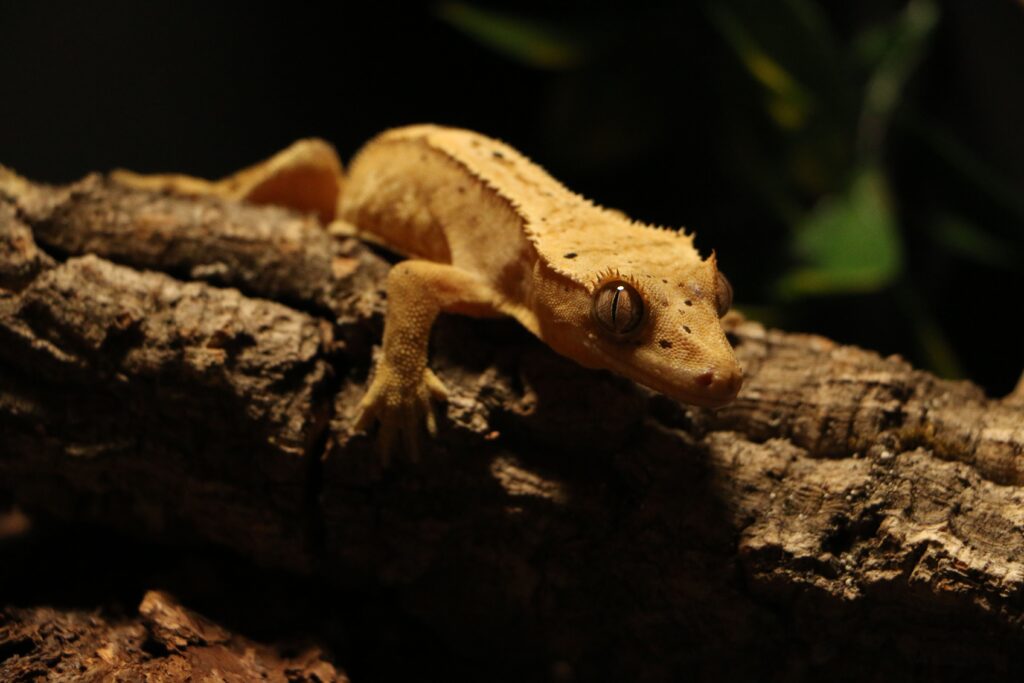
Crested geckos went nearly extinct in the wild until they were rediscovered in 1994. Today they are one of the most popular pet lizards worldwide.
They do not need UVB lighting to survive, though a low level is often recommended. Commercial crested gecko diets make feeding remarkably simple.
They rarely bite and can jump surprisingly far, so a secure, tall enclosure works best.
4. Blue-Tongued Skink
Blue-tongued skinks are known for being unusually tolerant of handling. Many owners describe them as having a dog-like curiosity.
They grow to 18-24 inches and can live 15-20 years. Their diet is omnivorous, mixing lean protein, vegetables, and fruit.
Their bright blue tongue is a defense display, and it never fails to surprise first-time visitors.
5. Gargoyle Gecko
Gargoyle geckos are close cousins of the crested gecko, with bumpy, horn-like skin texture. They are just as easy to feed and house.
They stay small, around 8 inches, and live 15-20 years. They are nocturnal, so daytime hiding is completely normal behavior.
They rarely need special lighting, which keeps electricity costs low.
6. African Fat-Tailed Gecko
This gecko looks similar to a leopard gecko but stores fat in its tail, giving it a distinctive rounded shape. It shares the same forgiving care requirements.
They reach about 8-10 inches and live 15-20 years. They tend to be calmer and slower-moving than leopard geckos.
Their diet is insect-based, and they thrive in a simple desert-style tank.
ALSO READ: How to Raise Axolotl Babies (Fry): Complete Step-by-Step Guide for Beginners
7. Rankin’s Dragon
Rankin’s dragons are essentially a smaller, calmer version of the bearded dragon. They suit keepers who want dragon behavior without the larger enclosure.
They stay around 10-12 inches and live 6-10 years. They still need UVB lighting and a warm basking area.
They are social in small groups, unlike many solitary lizard species.
8. Green Anole
Green anoles are inexpensive, small, and widely available in the United States. They are a good starter lizard for people who prefer watching over handling.
They grow to 5-8 inches and live 4-8 years. They eat small insects and need high humidity with light misting.
They are fast and can change color slightly, from bright green to brown, based on mood and temperature.
9. Fire Skink
Fire skinks have a striking orange-and-black pattern that makes them one of the most visually stunning beginner lizards.
They reach 8-10 inches and live 6-10 years. They need higher humidity than desert species, along with a moist hide box.
They can be shy at first but often settle down with consistent, gentle handling.
10. Chinese Water Dragon
Chinese water dragons need a semi-aquatic setup, but their care routine is still manageable for a motivated beginner.
They grow large, up to 3 feet including tail, and live 10-15 years. They need a large enclosure with a water basin for soaking.
They startle easily, so a tall enclosure with soft branches helps prevent nose injuries from jumping.
ALSO READ: 25 Types of Pet Frogs (Safe Species, With Pictures)
Best Lizard Pets for Intermediate Keepers (11–20)
These lizards need more specific temperature, humidity, or handling knowledge. They suit keepers who already have basic reptile experience.
11. Tokay Gecko
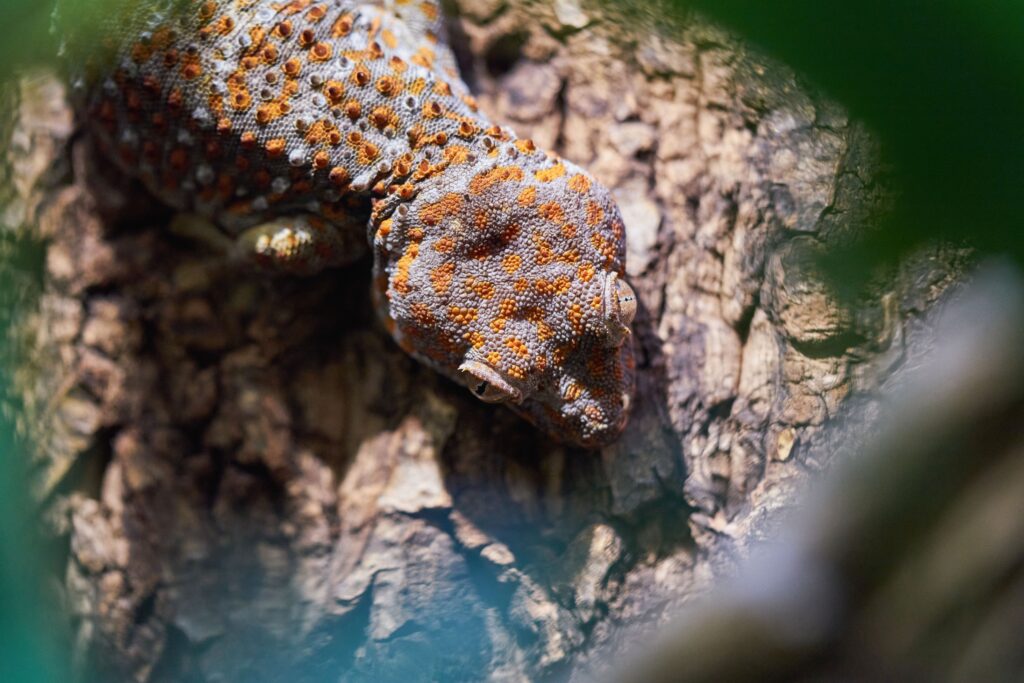
Tokay geckos are famous for their loud, distinctive call and their less-than-friendly attitude toward handling.
They reach 10-14 inches and live 10-18 years. They are best appreciated as a display animal rather than a handling pet.
Their bite is strong, so many experienced keepers keep them hands-off entirely.
12. Veiled Chameleon
Veiled chameleons are one of the hardier chameleon species, which makes them a common entry point into chameleon keeping.
They can reach 18-24 inches and live 5-8 years. They need a tall, well-ventilated enclosure with dripping or misting water systems.
Chameleons dislike handling, so this is a pet best enjoyed by observation.
13. Panther Chameleon
Panther chameleons are prized for extraordinary color variation between individuals and locations in Madagascar.
They grow to 17-20 inches and live 5-7 years. Their care mirrors the veiled chameleon but with slightly stricter humidity needs.
Watching one change color is genuinely mesmerizing, and it remains one of the top reasons people choose this species.
14. Giant Day Gecko
Giant day geckos are bright green, active during daylight, and visually one of the most rewarding geckos to keep.
They reach 8-10 inches and live 6-10 years. They are fast and can be difficult to handle safely, so many owners choose a hands-off approach.
They need higher humidity and a planted, tropical-style enclosure.
15. Argentine Black and White Tegu
Tegus are large, intelligent lizards often compared to dogs in behavior. They can be leash-trained and learn to recognize their owners.
They grow to 3-4.5 feet and live 15-20 years. They need a large, heated enclosure and a varied omnivorous diet.
They also brumate, entering a dormant state during cooler months, which surprises new keepers.
16. Savannah Monitor
Savannah monitors are a popular entry point into monitor lizard keeping due to their manageable size compared to other monitors.
They reach 3-4 feet and live 10-15 years. They need a large, warm enclosure and a diet centered on appropriately sized prey.
Overfeeding is the most common mistake, since these lizards can become obese quickly in captivity.
17. Ackie Monitor
Ackie monitors, also called spiny-tailed monitors, are among the most personable small monitor species available.
They stay around 24-30 inches and live 10-15 years. They are active, intelligent, and known to recognize their keepers.
They need a deep substrate for burrowing behavior, which is central to their natural instincts.
18. Green Iguana
Green iguanas are large, striking lizards that require serious long-term commitment. They are not a casual starter pet, despite being widely sold to beginners.
They can reach 5-6 feet and live 15-20 years. According to University of Florida researchers, green iguanas have become invasive in South Florida after being released or escaping from captivity, since the state’s climate suits them well.
They need a room-sized enclosure as adults, strong UVB, and a herbivorous diet.
19. Rhinoceros Iguana
Rhinoceros iguanas are heavier-bodied than green iguanas and generally calmer in temperament.
They grow to 2-4.5 feet and live 15-20 years, with some individuals living considerably longer in captivity. They need a large, sturdy enclosure due to their weight and strength.
They are herbivorous and require consistent UVB exposure for healthy bone density.
20. Chuckwalla
Chuckwallas are desert lizards known for wedging themselves into rock crevices and inflating their bodies to avoid predators.
They reach 11-16 inches and live 15-25 years. They need a hot, dry enclosure with rock formations for climbing and hiding.
Their diet is mostly plant-based, making them easier to feed than insect-dependent species.
Best Lizard Pets for Experienced Reptile Keepers (21–30)
These species need advanced setups, larger spaces, or careful handling knowledge. They are best suited to keepers who already understand reptile husbandry.
21. Frilled Dragon
Frilled dragons are best known for the dramatic neck frill they display when startled or threatened.
They reach 2-3 feet and live 10-15 years. They are arboreal, so a tall enclosure with sturdy branches is essential.
They startle easily and can injure their nose in a low-clearance tank, so vertical space matters.
22. Sudan Plated Lizard
Sudan plated lizards are hardy, armored-looking lizards that tolerate a wide range of temperatures better than many desert species.
They grow to 12-16 inches and live 10-15 years. They are omnivorous and generally calm once acclimated.
They need secure hiding spots, since they are naturally shy in open spaces.
23. Armadillo Girdled Lizard
This species is famous for curling into a ball and biting its own tail when threatened, similar to an armadillo’s defense posture.
They stay small, around 6-8 inches, and live 15-20 years. They need rocky, dry housing with tight crevices to mimic their natural habitat.
They are slow-growing and slow-reproducing, so responsible sourcing matters for this species.
24. Collared Lizard
Collared lizards are known for running on their hind legs at high speed, a rare trait among lizards.
They reach 8-14 inches and live 6-10 years. They need a large, hot, dry enclosure with open space to move.
They can be aggressive toward other lizards, so solitary housing is usually recommended.
25. Green Basilisk
Basilisks earned the nickname “Jesus Christ lizard” for their ability to run across water using rapid leg movement.
They grow to 2-2.5 feet and live 7-10 years. They are skittish and prone to injuring their nose against glass, so a padded or mesh enclosure helps.
They need a large water feature and high humidity to thrive.
26. Mountain Horned Dragon
Mountain horned dragons resemble small, spiny mythical dragons and are popular among keepers who want an unusual display animal.
They reach 12-16 inches and live 8-10 years. They need cooler, humid conditions compared to typical desert lizards.
They are not fond of handling and do best as a visual, low-contact pet.
27. Common House Gecko
House geckos are small, nocturnal, and often kept in bioactive or naturalistic community setups by experienced keepers.
They stay around 4-5 inches and live 5-10 years. They are fast, skittish, and rarely suited for handling.
Their soft, delicate skin tears easily, so hands-off appreciation is the standard approach.
28. Berber Skink (Ocellated Skink)
Berber skinks are burrowing lizards with a glossy, patterned appearance that thrive in a naturalistic sand-and-rock setup.
They reach 10-12 inches and live 10-15 years. They spend much of their time burrowed, so patient owners suit this species best.
They eat insects and occasional fruit, and handling should stay brief and gentle.
29. Knight Anole
Knight anoles are the largest anole species, native to Cuba but established in parts of Florida. They are territorial and confident.
They grow to 13-20 inches and live 5-8 years. They need a tall, planted enclosure that reflects their arboreal lifestyle.
They can deliver a firm bite if startled, so slow, confident handling works better than sudden movement.
30. Chinese Skink
Chinese skinks are smooth-scaled, active lizards that do well in humid, planted enclosures with plenty of ground cover.
They reach 8-10 inches and live 6-10 years. They are omnivorous, eating both insects and soft fruit.
They move quickly and prefer a hands-off relationship with their keeper, making them better for observation than handling.
How to Choose the Right Lizard for You
Match the lizard to your daily schedule. Insectivores need frequent feeding, while herbivorous species need less frequent but larger meals.
Consider your living space. A studio apartment suits a gecko far better than a green iguana or a tegu.
Think about your handling goals. Bearded dragons and blue-tongued skinks welcome contact. Chameleons and day geckos do not.
Budget for the full setup, not just the lizard. Enclosures, lighting, heating, and substrate often cost more than the animal itself.
Health and Safety Considerations
Every reptile, including lizards, can carry Salmonella bacteria, even when it appears completely healthy and clean. This is a documented and well-studied risk, not a rare exception.
The CDC recommends washing hands thoroughly after handling any reptile or its habitat. Reptiles should not roam freely through living spaces, especially kitchens.
Children under five and people with weakened immune systems face higher risk from reptile contact. The CDC specifically advises against keeping reptiles in homes with very young children or in childcare settings.
None of this means lizards are unsafe pets. It simply means basic hygiene habits matter, the same way they do with any animal.
Legal and Environmental Considerations
Some lizard species come with legal restrictions depending on where you live. Green iguanas, for example, are now classified as an invasive, prohibited species in Florida due to established wild populations.
If you plan to travel internationally with a pet lizard, USDA regulations apply. Import rules vary depending on species, so checking official guidance before travel avoids costly problems at the border.
Never release an unwanted pet lizard into the wild. Responsible rehoming through reptile rescues or breeders is always the better option.
Final Thoughts
Choosing a lizard pet comes down to matching temperament, size, and care level to your own lifestyle. A leopard gecko suits a first-time owner. A tegu suits someone ready for a long-term, interactive companion.
I always encourage new keepers to start small. Master the basics with an easy species before moving toward the more demanding lizards on this list.
Whichever lizard you choose, research its specific needs before bringing it home. A well-cared-for lizard can become a fascinating companion for a decade or longer.
Frequently Asked Questions
What is the easiest lizard to take care of? The leopard gecko is widely considered the easiest lizard for beginners, since it needs simple housing, no complex UVB requirements, and a straightforward insect diet.
What is the friendliest pet lizard? Bearded dragons and blue-tongued skinks are known for tolerating regular handling and recognizing their owners over time.
How long do pet lizards live? Lifespan varies widely by species. Small geckos often live 10-20 years, while larger species like tegus and iguanas can live 15-20 years or more with proper care.
Are pet lizards dangerous to human health? Lizards can carry Salmonella bacteria, even when they look healthy. Following basic hygiene practices, like handwashing after handling, significantly reduces this risk.
Which lizard is best for small apartments? Leopard geckos, crested geckos, and gargoyle geckos need the least space and suit small living areas well.
References
- Centers for Disease Control and Prevention (CDC) – Reptiles and Amphibians: Healthy Pets, Healthy People https://www.cdc.gov/healthy-pets/about/reptiles-and-amphibians.html
- Centers for Disease Control and Prevention (CDC) – Reptile-Associated Salmonellosis — Selected States, 1996–1998 https://www.cdc.gov/mmwr/PDF/wk/mm4844.pdf
- University of California, Davis, School of Veterinary Medicine – Bearded Dragon Care https://healthtopics.vetmed.ucdavis.edu/health-topics/exotics/bearded-dragon-care
- North Carolina State University, College of Veterinary Medicine – Caring for Your Pet Bearded Dragon https://hospital.cvm.ncsu.edu/services/small-animals/nutrition/caring-for-your-pet-bearded-dragon/
- University of Florida, IFAS Extension – Buyers’ Guide to Pet Reptiles (WEC312/UW357) https://edis.ifas.ufl.edu/publication/UW357
- University of Florida, IFAS Extension – Florida’s Introduced Reptiles: Green Iguana (UW485) https://ask.ifas.ufl.edu/publication/UW485
- United States Department of Agriculture, Animal and Plant Health Inspection Service (APHIS) – Bring a Pet Reptile into the United States https://www.aphis.usda.gov/pet-travel/another-country-to-us-import/reptiles