25 Common French Bulldog Health Problems (Identification, and What to Do)
French Bulldogs are irresistible. Those bat ears, the wrinkled forehead, the snorting little grunts — I understand why this breed has taken over so many living rooms.
But here’s the truth nobody tells you at the breeder’s door: Frenchies are one of the least healthy dog breeds on the planet.
A landmark study by the Royal Veterinary College in London examined 2,228 French Bulldogs. The result? 72.4% of them had at least one disorder recorded by their vet.
That is not a small number. That is nearly three out of four dogs.
This article walks through 25 real, documented health problems French Bulldogs face. I’ll explain what each one looks like, why it happens, and what you can actually do about it. No fluff. No scare tactics. Just facts you need.
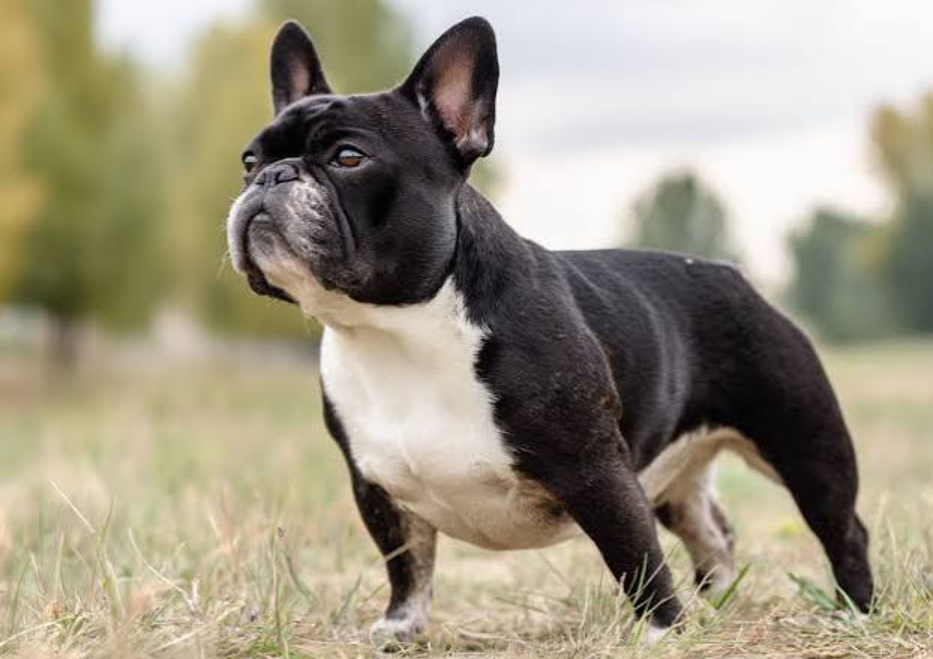
Why French Bulldogs Get Sick So Often
Frenchies were bred for looks, not function. Decades of selecting for a flat face, a compact body, and a curly tail have packed serious structural problems into a small frame.
A 2025 Danish study of Frenchie owners found something striking. More than half of the owners, 56%, admitted their French bulldogs are less healthy than other breeds. Yet most still say they’d buy one again.
That tells me people love this breed deeply, even knowing the risks. So let’s get into exactly what those risks are.
French Bulldogs became the most popular dog breed in the United States in 2022, overtaking the Labrador Retriever after decades at the top. That popularity boom is part of the problem.
Rising demand pushed more backyard breeders and puppy mills into the market. Fewer health screenings happened along the way, and more genetic problems got passed down unchecked.
The good news is that awareness is growing too. Veterinary schools across the world are now studying this breed closely, and several of the sources cited in this article come directly from their research.
Part 1: Breathing and Airway Problems
1. Brachycephalic Obstructive Airway Syndrome (BOAS)
This is the big one. BOAS happens because the skull is short but the soft tissue inside it isn’t. Breeding selection for extreme flat-faced features has resulted in dogs predisposed to upper airway obstruction and respiratory distress.
Dogs with BOAS snore, gag, and struggle in heat. Some collapse after light exercise.
The University of Cambridge Veterinary School runs an entire research program dedicated to this condition. They developed a grading test called the Respiratory Function Grading Scheme, which vets now use worldwide to score how badly a dog’s airway is affected.
BOAS isn’t a single problem. It’s really a combination of several smaller defects working together, which is why it’s often called a syndrome rather than one disease.
Watch for: loud snoring while awake, exercise intolerance, blue-tinged gums, fainting spells, and difficulty settling down after play.
Mild cases can often be managed with weight control and avoiding heat. Severe cases usually need corrective surgery on the nose, palate, or throat before the dog reaches two years old.
2. Stenotic Nares
This means abnormally narrow nostrils. Air simply cannot flow in properly.
Research shows this is one of the most exaggerated traits in the breed, with French Bulldogs showing dramatically higher odds of this condition compared to other dogs.
You can often spot it just by looking. If the nostrils appear pinched, slit-like, or nearly closed, that’s a visual clue. Some puppies are born with nares so narrow they need surgical widening before six months of age.
The surgery itself is fairly routine for an experienced veterinary surgeon. Recovery is usually quick, and most dogs breathe noticeably easier within days.
3. Elongated Soft Palate
The soft palate at the back of the throat is too long for the shortened skull. It partially blocks the airway, causing that classic Frenchie snort.
University of Illinois veterinarians note many brachycephalic dogs have not just an elongated palate but also a very thickened one, contributing to airway obstruction, lethargy, and sleep apnea.
4. Everted Laryngeal Saccules
Small tissue pouches near the vocal cords get sucked outward from the effort of breathing through a narrow airway. This adds yet another obstruction on top of the others.
5. Hypoplastic Trachea
Some Frenchies are born with a windpipe that is simply too narrow. This cannot be fixed surgically and makes anesthesia riskier for life.
6. Sleep Apnea
Because of the crowded airway, many Frenchies actually stop breathing briefly during sleep. Veterinarians must educate owners that snoring, difficulty sleeping, and other signs are not normal for any brachycephalic dog.
This one genuinely worries me. Owners often think loud snoring is just “a Frenchie thing.” It isn’t normal. It’s a symptom.
7. Heat Intolerance and Heatstroke
Brachycephalic dogs often have narrow airways which can lead to airway obstruction, and clinical signs include difficulty breathing, vomiting, exercise intolerance, and overheating.
Obese dogs are more likely to be affected than dogs kept at a healthy weight. Keep your Frenchie lean, and never leave one in a hot car — ever.
Frenchies cool down by panting, but their short airway makes panting inefficient. Where a Labrador might pant off excess heat within minutes, a Frenchie can keep overheating even at rest.
I’d suggest walking these dogs early morning or late evening in warm months. Midday heat, humid air, and any strenuous play in summer are genuinely dangerous combinations for this breed.
Signs of heatstroke include excessive drooling, bright red gums, wobbly legs, and collapse. This is an emergency — get to a vet immediately if you see these signs.
ALSO READ: 30 Small Dog Breeds That Don’t Shed Much (With Pictures, and Care Tips)
Part 2: Skin and Ear Conditions
8. Skin Fold Dermatitis
Those adorable wrinkles trap moisture, bacteria, and yeast. Skin fold dermatitis affects around 3% of Frenchies, and cutaneous disorders as a group are among the most common issues in the breed.
Prevention tip: clean facial folds daily with a dry cloth or vet-approved wipe.
9. Allergies
Allergies were the single most commonly reported health problem by Frenchie owners, affecting 36.7% of dogs surveyed.
That’s more than one in three dogs dealing with itchy skin, paw licking, or recurring ear flare-ups.
Allergies in Frenchies usually fall into three categories: environmental (pollen, dust mites), food-based, and flea-related. Figuring out which one is causing the flare-up often takes patience and a proper elimination diet trial.
Chronic scratching can also become a secondary problem of its own, leading to hot spots, hair loss, and skin infections that need separate treatment.
10. Ear Infections (Otitis Externa)
Ear infections were the single most common disorder recorded in French Bulldogs at 14%.
Their upright, open ear canals let in debris easily, and allergy-prone skin makes the ear canal lining more vulnerable to infection.
A head shake, constant scratching at the ears, or a bad smell coming from inside the ear canal are the first signs. Left untreated, infections can spread deeper and become genuinely painful.
Regular ear cleaning with a vet-recommended solution, done weekly rather than daily, helps prevent buildup without irritating the sensitive skin further.
11. Yeast Infections
Warm, moist skin folds and ears are a perfect breeding ground for yeast. Symptoms include a musty odor, redness, and constant scratching.
12. Interdigital Cysts
Painful lumps between the toes, often triggered by allergies or ingrown hairs. These can recur and sometimes need minor surgery.
ALSO READ: 25 Dog Breeds With Curly Hair: (With Pictures, and Care Tips)
Part 3: Eye Problems
13. Cherry Eye
The third eyelid gland prolapses and pops out as a red lump in the corner of the eye. It looks alarming but is treatable with surgery.
This tends to happen more in younger dogs, often before age two. The gland itself is important for tear production, so vets usually try to tack it back into place rather than remove it entirely.
14. Corneal Ulcers
Because Frenchie eyes bulge slightly and don’t close fully, the surface of the eye dries out and scratches easily. Left untreated, ulcers can threaten vision.
A squinting eye, excessive tearing, or a cloudy patch on the surface of the eye should never wait until “next week’s appointment.” Ulcers can worsen within 24 to 48 hours.
15. Entropion
The eyelid rolls inward, and eyelashes rub against the eyeball constantly. This causes chronic irritation and, if ignored, corneal damage.
Puppies with heavy facial wrinkling around the eyes are more prone to this. A relatively simple surgical correction can resolve it permanently.
16. Dry Eye (Keratoconjunctivitis Sicca)
Reduced tear production leaves the eye surface unprotected. Ophthalmological disorders as a group affect over 10% of French Bulldogs.
Thick discharge, redness, and a dull-looking cornea are common signs. Lifelong eye drops usually manage this condition well once diagnosed.
One more thing worth knowing: the bulging eye shape common in this breed increases the risk of trauma during rough play, and in rare cases the eye can partially pop out of its socket. That situation is a genuine emergency requiring immediate veterinary attention.
Part 4: Spine, Joints, and Mobility
17. Intervertebral Disc Disease (IVDD)
The cushioning discs between spinal bones degenerate early in this breed. A sudden slip, jump, or even normal movement can cause a disc to rupture.
A UK study by the Royal Veterinary College reported that leading causes of death in the breed included brain disorders and spinal cord disorders such as IVDD. This is a sobering statistic worth repeating to anyone considering the breed.
Sudden hind leg weakness, reluctance to jump, or dragging the back feet are red-flag symptoms. IVDD can progress from mild pain to full paralysis within hours in severe cases.
If your Frenchie ever shows these signs, treat it as an emergency. Fast diagnosis, sometimes including an MRI, genuinely changes the outcome.
18. Hemivertebrae
That famously “screwed” corkscrew tail is actually caused by malformed vertebrae. In mild cases it’s harmless. In severe cases, it compresses the spinal cord and causes pain or paralysis.
Interestingly, this same malformation that shapes the tail can also occur further up the spine. That’s part of why the breed carries a higher overall risk of spinal problems compared to straighter-tailed breeds.
19. Hip Dysplasia
The hip joint doesn’t form properly, leading to looseness, pain, and early arthritis. It’s a genetic condition worsened by excess weight.
Signs include a bunny-hop gait, stiffness after rest, and reluctance to climb stairs. X-rays are the only way to confirm a diagnosis, and management ranges from weight control to surgery in severe cases.
20. Patellar Luxation
The kneecap slips out of its groove. Dogs may suddenly hop mid-stride or hold up a back leg for a few steps before it pops back in.
Mild grades may never need treatment. Higher grades cause chronic pain and often require corrective surgery to prevent long-term arthritis.
21. Spina Bifida
A rare but documented birth defect where the spine doesn’t close fully around the spinal cord. It can cause weakness or incontinence in affected puppies.
This condition is present from birth, so responsible breeders screen litters early. Severity varies enormously, from barely noticeable to significantly disabling.
ALSO READ: 25 Dog Breeds With Curly Tails (With Pictures, and Care Tips)
Part 5: Internal and Systemic Disorders
22. Digestive Issues and Chronic Diarrhea
Diarrhea is the second most commonly recorded disorder in the breed, affecting 7.5% of dogs studied. Many Frenchies also have sensitive stomachs that react badly to sudden food changes.
Gas, regurgitation, and mild vomiting are also common complaints. Some of this ties back to the breed’s airway problems, since dogs that gulp air while struggling to breathe often swallow excess air along with their food.
Switching diets gradually, over 7 to 10 days, tends to reduce flare-ups significantly compared to an abrupt food change.
23. Pulmonic Stenosis (Heart Defect)
This is a narrowing of the valve that lets blood flow from the heart to the lungs. A 2018 study of 66 French Bulldogs found the condition in this breed is commonly severe and complex, with a high incidence of related heart abnormalities and cardiac death.
Median survival time after diagnosis in that study was less than three years. This is genuinely one of the more heartbreaking findings in Frenchie research, and I think every prospective owner deserves to know it upfront.
A vet listening for a heart murmur during a routine checkup is often the first clue. If your Frenchie is diagnosed, ask specifically about cardiology referral and long-term monitoring options.
24. Dystocia (Difficulty Giving Birth)
Because of their narrow hips and puppies with relatively large heads, most French Bulldog litters require a scheduled C-section. Natural birth carries real risk to both mother and puppies.
Studies show French Bulldogs have significantly higher odds of dystocia compared to other breeds. This is one of the strongest arguments for why breeding this dog should never be taken lightly or done casually.
25. Obesity-Related Complications
A chunky Frenchie might look cute, but extra weight worsens nearly every condition on this list. It strains joints, makes breathing harder, and raises anesthesia risk for any future surgery.
You should be able to feel your dog’s ribs with light pressure, without seeing them. If you can’t, it’s worth a conversation with your vet about portion sizes and daily activity.
How Long Do French Bulldogs Actually Live?
Most sources put the average lifespan between 10 and 12 years, shorter than many similarly sized breeds. Genetics, weight management, and how early problems are caught all play a role in whether a Frenchie reaches the higher end of that range.
Compare that to breeds of similar size without brachycephalic features, which often reach 13 to 15 years. That gap is a direct reflection of the structural health issues covered in this article.
None of this means a Frenchie can’t have a wonderful life. It simply means owners need to stay proactive rather than reactive about their dog’s health.
What This Means If You Own or Want a Frenchie
I won’t tell you not to get one. Plenty of Frenchies live full, joyful lives with the right care. But going in informed changes everything.
Here’s what actually helps:
- Choose a breeder who screens for BOAS grading and hip/knee health.
- Keep your dog at a lean weight for life, not just as a puppy.
- Clean skin folds and ears on a regular schedule.
- Avoid strenuous exercise in heat or humidity.
- Schedule annual vet checks that include heart and airway assessment.
- Consider pet insurance early, before any condition becomes “pre-existing.”
A final thought: these dogs didn’t choose their own anatomy. We bred them this way. The least we can do, as owners, is understand what we’re taking on and give them the best shot at a comfortable life.
On cost: because so many of these conditions eventually need surgery or ongoing medication, lifetime veterinary costs for French Bulldogs tend to run higher than for many other breeds. Budgeting for this ahead of time, rather than being surprised by it, makes a real difference during a health crisis.
Frequently Asked Questions
What is the most common health problem in French Bulldogs? Allergies are the most commonly reported issue by owners, at nearly 37%, while ear infections are the most common condition recorded by veterinarians, at 14%.
Do all French Bulldogs have breathing problems? Not all, but a large share do to some degree. Nearly 30% of owners in one survey reported breathing problems in their dog. Severity varies widely by individual dog.
What usually causes death in French Bulldogs? Reported leading causes include neurological conditions such as brain and spinal disorders, along with respiratory and cardiac complications.
Is it ethical to own a French Bulldog? This is a genuinely debated question in veterinary circles. What matters most is choosing responsible breeding, prioritizing health screening over looks, and committing to attentive lifelong care.
How can I tell if a breeder is responsible? Ask to see BOAS grading results, hip and knee screening records, and health clearances for both parents. A responsible breeder will welcome these questions rather than brush them off, and they’ll let you meet the puppy’s parents in person.
Should I get pet insurance for a French Bulldog? Given how many conditions on this list can require surgery, insurance is worth serious consideration. Enrolling while your Frenchie is still young and healthy avoids exclusions for pre-existing conditions later on.
References
- Tufts University, Cummings School of Veterinary Medicine — Frenchies are #1 … and veterinarians are concerned https://vet.tufts.edu/news-events/news/frenchies-are-1-and-veterinarians-are-concerned
- National Center for Biotechnology Information / PMC — Demography and disorders of the French Bulldog population under primary veterinary care in the UK in 2013 https://www.ncbi.nlm.nih.gov/pmc/articles/PMC5932866/
- National Center for Biotechnology Information / PMC — French Bulldogs differ to other dogs in the UK in propensity for many common disorders: a VetCompass study https://www.ncbi.nlm.nih.gov/pmc/articles/PMC8675495/
- University of California, Davis, School of Veterinary Medicine — Brachycephalic (Short-nosed) Dogs https://healthtopics.vetmed.ucdavis.edu/health-topics/brachycephalic-short-nosed-dogs
- University of Illinois, College of Veterinary Medicine — Brachycephalic Obstructive Airway Syndrome in Dogs and Cats https://vetmed.illinois.edu/2023/11/02/brachycephalic-obstructive-airway-syndrome-in-dogs-and-cats/
- University of Florida, College of Veterinary Medicine — Brachycephalic Obstructive Airway Syndrome https://smallanimal.vethospital.ufl.edu/clinical-services/soft-tissue-surgery/brachycephalic-syndrome/
- University of Tennessee, College of Veterinary Medicine — Brachycephalic Airway Syndrome https://vetmed.tennessee.edu/vmc/smallanimalhospital/softtissuesurgery/brachycephalic-airway-syndrome/