30 Small Dog Breeds That Don’t Shed Much (With Pictures, and Care Tips)
If you searched for small dog breeds “that don’t shade,” I think you meant shed — and don’t worry, it’s a common typo. This guide covers exactly that: small dogs known for low shedding, minimal dander, and easier home upkeep.
I have spent time around several of these breeds myself, and I can tell you this much upfront: no dog is 100% shed-free. But some come remarkably close, and that difference matters if you have allergies, asthma, or simply hate vacuuming twice a day.
Small breeds with low-shedding coats have quietly become one of the most searched pet categories online, and it makes sense. City living, smaller homes, and busier work schedules all push people toward companions that are easier to manage indoors.
Quick Insight: Why This List Matters
Roughly 45.5% of U.S. households now own a dog, according to the 2024 AVMA Pet Ownership and Demographics Sourcebook. That is a huge number of homes dealing with dog hair daily.
For allergy sufferers, the stakes are higher. The National Institute of Environmental Health Sciences (NIEHS) confirms that millions of Americans live with pets despite being allergic to them. Choosing a low-shedding breed can genuinely reduce the mess, even if it will not eliminate allergens entirely.
Why Do Some Dogs Shed Less Than Others?
This comes down to genetics, not magic. Researchers at the University of California, Davis Veterinary Genetics Laboratory have identified two specific genes, MC5R and RSPO2, that control most of the variation in canine shedding.
Dogs with certain combinations of these genes shed noticeably less than others. This is also linked to “furnishings,” the eyebrow and beard-like hair seen in wiry-coated terriers and schnauzers.
Hair versus fur is another key distinction. Dogs with hair (like Poodles and Yorkies) have a longer growth cycle, so their coat keeps growing rather than shedding out seasonally. Dogs with fur (like Labradors) have a shorter cycle and blow their coat twice a year.
That’s the real secret behind “non-shedding” breeds. They almost always have hair-type coats, not fur-type coats, and their hair simply keeps growing until it’s trimmed.
Now, let’s go through the 30 small dog breeds that shed the least.
I have grouped these by general coat category so you can compare similar types more easily.
Classic Curly and Silky-Coated Companions
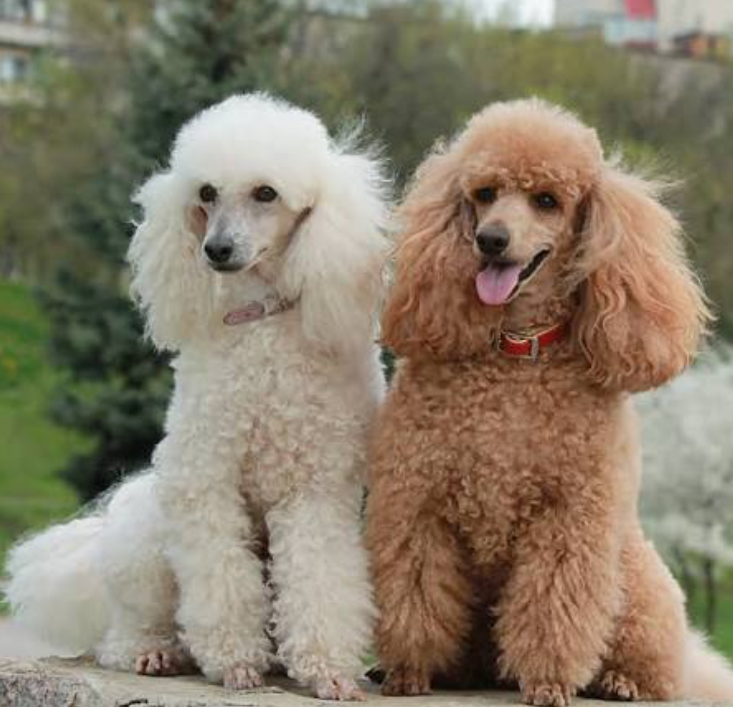
1. Toy and Miniature Poodle
Poodles top nearly every low-shedding list, and once you understand their coat, you can see why. The hair grows continuously in tight curls, and loose strands get trapped inside those curls instead of falling onto your floor.
Beyond the coat, Poodles are famously intelligent, often ranked among the smartest breeds by working-dog trainers. That intelligence makes them quick to train, but it also means they need mental stimulation, not just a nice haircut.
Weighing between 4 and 15 pounds depending on whether you choose a toy or miniature size, this breed suits nearly any home. Just budget for grooming every 4 to 6 weeks, since matting builds up fast once the curls get long.
2. Bichon Frise
This cheerful little breed carries a soft, curly double coat that traps shed hair rather than releasing it into your home. The result is a fluffy, powder-puff look that needs daily attention to stay tangle-free.
Bichons were bred centuries ago as companion dogs for European nobility, and that history shows in their affectionate, people-focused temperament. They tend to bond closely with the whole family rather than favoring one person.
Standing under 12 inches tall, Bichons do well in apartments and small homes. Just know that white coats show dirt and tear stains easily, so regular face cleaning is part of the routine.
3. Maltese
Known for silky, floor-length white hair, the Maltese sheds minimally but needs daily brushing to prevent tangles near the ears and legs. Many owners choose a shorter “puppy cut” simply to make daily care more manageable.
This is one of the oldest toy breeds in Europe, with a history tracing back over two thousand years as a lapdog for the wealthy. That heritage still shows in their gentle, devoted personality toward their owners.
Maltese dogs typically weigh under 7 pounds, making them ideal for small apartments. Their delicate build also means they need gentle handling, especially around young children.
4. Yorkshire Terrier
Yorkies have hair that closely resembles human hair in both texture and growth pattern. It keeps growing rather than shedding out seasonally, which explains why the coat sheds so little around the house.
Originally bred in England to catch rats in textile mills, Yorkies still carry that bold, feisty terrier spirit despite their tiny size. They tend to be fearless, alert, and surprisingly vocal for such a small dog.
Weighing around 4 to 7 pounds, Yorkies are true toy dogs. Their long coat tangles quickly without daily brushing, so many owners keep a shorter, low-maintenance trim instead of the show-length coat.
5. Shih Tzu
This affectionate lap dog carries a long, flowing coat that sheds lightly compared to most breeds its size. Regular trims and brushing keep the hair from matting around the face, ears, and legs.
Bred centuries ago in Chinese royal courts as a companion breed, the Shih Tzu was never meant for hard work. Its friendly, easygoing temperament reflects that history, making it a good match for calmer households.
Because of its short muzzle, this breed can struggle in heat and needs a cooler environment during summer months. Weekly baths and daily brushing keep both the coat and skin healthy.
6. Havanese
Cuban in origin, the Havanese carries a silky, wavy coat with minimal shedding thanks to its hair-type growth pattern rather than typical fur. It’s one of the few breeds native to Cuba, developed there from Mediterranean lapdog ancestors.
Playful and people-oriented, the Havanese adapts remarkably well to apartment life and thrives on close companionship. They’re often described as “velcro dogs” because they prefer staying near their owners at all times.
This breed weighs between 7 and 13 pounds and needs brushing several times a week. Left ungroomed, the wavy coat naturally forms cords, similar to a miniature version of a corded Poodle.
7. Coton de Tulear
Named for its cotton-like texture, this breed sheds very little and rarely triggers strong allergic reactions in sensitive households. It originated on the island of Madagascar, likely descending from dogs brought by sailors centuries ago.
Cotons are known for their cheerful, clownish personality and genuine eagerness to please their owners. They also tend to get along well with other pets, making them a solid choice for multi-animal households.
Brushing twice weekly keeps the cottony coat from matting, and most owners avoid heavy clipping to preserve the breed’s signature texture. Weight typically ranges from 8 to 13 pounds.
8. Bolognese
A lesser-known Italian breed, the Bolognese has a fluffy, non-shedding white coat similar in texture to the Bichon Frise. It was historically a favored companion among Italian aristocracy during the Renaissance period.
This breed is calm, loyal, and often forms an intense bond with a single owner rather than the whole household. That devotion makes early socialization important if you want a well-rounded, adaptable companion.
Weighing 5 to 9 pounds, the Bolognese needs regular brushing to keep its dense coat from matting close to the skin. It is generally quieter and less demanding than many other small companion breeds.
9. Löwchen (Little Lion Dog)
This rare breed sports a long, silky coat, traditionally clipped in a “lion trim” that leaves the hindquarters bare and the front full and mane-like. Shedding is minimal, but the coat still needs consistent brushing to avoid tangles.
Despite its name, the Löwchen is a gentle, affectionate companion rather than a fierce guard dog. It was historically kept by European nobility, and its rarity today makes it something of a hidden gem among low-shedding breeds.
Weighing between 9 and 18 pounds, this breed adapts well to both apartments and larger homes. Regular grooming every 6 to 8 weeks keeps the signature lion-cut looking sharp.
10. Maltipoo
A Maltese-Poodle mix, this hybrid inherits the low-shedding hair coat from both parent breeds, making it a popular choice for allergy-conscious families. Coat texture can vary from wavy to tightly curled depending on which parent it favors.
Maltipoos are known for a friendly, adaptable temperament that suits first-time owners and experienced dog people alike. They tend to be eager to please, which makes basic training relatively straightforward.
Weighing 5 to 15 pounds depending on the Poodle parent’s size, this hybrid benefits from professional grooming every 6 to 8 weeks. Daily brushing at home helps prevent mats between visits.
11. Shih-Poo
Combining the Shih Tzu and Poodle, this friendly hybrid sheds very little and adapts well to families with children or other pets. The coat can range from loosely wavy to more tightly curled, again depending on genetic influence from each parent.
Shih-Poos are known for a laid-back, affectionate temperament that makes them easygoing companions for apartment living. They generally need only moderate exercise, which suits owners with busy schedules.
Regular haircuts help manage the fluffier coat, and most owners find a trim every 6 to 8 weeks keeps shedding and matting under control. Weight typically falls between 8 and 18 pounds.
12. Yorkipoo
A Yorkshire Terrier and Poodle cross, the Yorkipoo typically inherits a soft, low-shedding coat, though texture varies from litter to litter. Grooming needs depend heavily on which parent’s coat dominates in a given puppy.
This hybrid tends to be lively, affectionate, and alert, carrying forward the confident personality of its Yorkie parent. Early socialization helps balance that boldness with good manners around strangers and other animals.
Weighing 3 to 14 pounds, the Yorkipoo suits small living spaces well. Brushing two to three times weekly, along with occasional professional grooming, keeps the coat looking neat.
ALSO READ: 25 Dog Breeds With Curly Hair: (With Pictures, and Care Tips)
Wiry and Terrier-Type Coats
13. West Highland White Terrier
Westies have a hard, wiry outer coat paired with a soft, dense undercoat built for Scottish weather. They shed lightly, but hand-stripping, a technique that pulls out dead hair rather than cutting it, helps preserve the coat’s texture.
Bred originally to hunt vermin on Scottish farms, Westies still carry a spirited, confident personality despite their small size. They are alert watchdogs and tend to be vocal when something catches their attention.
Weighing 15 to 20 pounds, this breed is sturdier than most toy breeds on this list. Skin sensitivity is common in Westies, so regular grooming also supports overall skin health.
14. Scottish Terrier
This dignified, short-legged terrier has a wiry double coat that sheds minimally but mats easily without regular attention. Known for its distinctive beard and eyebrows, the “Scottie” has an unmistakable silhouette.
Independent and dignified, Scottish Terriers were bred to hunt badgers and foxes underground, and that tenacity still shows in their confident, sometimes stubborn personality. They tend to bond closely with their families while remaining reserved around strangers.
Weighing 18 to 22 pounds, Scotties need brushing several times a week. Hand-stripping twice a year keeps the classic wiry texture intact rather than softening it the way clipping does.
15. Cairn Terrier
Small, sturdy, and endlessly alert, the Cairn Terrier has a weather-resistant double coat that sheds lightly. It needs brushing roughly once or twice weekly to remove loose hair caught in the wiry outer layer.
This breed is one of the oldest terrier types from the Scottish Highlands, originally used to hunt small game among rocky cairns, hence the name. That working history explains their energetic, curious, and occasionally mischievous nature.
Weighing 13 to 18 pounds, Cairns are hardy little dogs that do well with active families. Hand-stripping preserves the coat’s texture better than clipping, though many pet owners opt for simpler trims.
16. Miniature Schnauzer
Recognized instantly by its bushy eyebrows and beard, this breed has a wiry coat that sheds very little thanks to its double-layered, hair-type texture. Professional grooming every 6 to 8 weeks keeps the coat neat and prevents matting around the facial furnishings.
Miniature Schnauzers are intelligent, alert, and often described as having a big-dog attitude in a small-dog body. They were originally bred in Germany as farm ratters, and that working drive still shows in their energy and watchfulness.
Weighing 11 to 20 pounds, this breed adapts well to both apartments and houses with yards. Regular ear and beard cleaning is part of the routine, since food and moisture collect easily in the facial hair.
17. Norfolk Terrier
A compact, hardy terrier with a wiry coat, the Norfolk sheds minimally thanks to its dense, weatherproof texture. Hand-stripping twice a year remains the traditional grooming method for maintaining the breed’s rugged appearance.
Developed in England as a working terrier for hunting rodents and foxes, the Norfolk is fearless, sociable, and surprisingly good-natured for a terrier. Unlike some independent terrier breeds, Norfolks tend to be quite affectionate and eager to please.
Weighing 11 to 12 pounds, this breed is one of the smallest working terriers still in common use today. Regular brushing between stripping sessions keeps loose hair to a minimum.
18. Norwich Terrier
Closely related to the Norfolk Terrier, this breed carries a similar wiry, low-shedding coat and a spirited, affectionate personality suited to active owners. The main visible difference between the two breeds is ear shape, with Norwich Terriers having erect ears.
Like its close relative, the Norwich was bred for vermin hunting and still carries a bold, energetic temperament. These dogs tend to be curious, social, and generally good with children and other pets when properly socialized.
Weighing around 12 pounds, the Norwich needs regular brushing and biannual hand-stripping. Its small size makes it well-suited to apartment living, provided daily exercise needs are met.
19. Silky Terrier
Despite the name suggesting a soft, low-maintenance coat, the Silky Terrier’s fine, glossy hair sheds lightly but still needs regular brushing to prevent tangling near the legs and belly. The coat closely resembles the Yorkshire Terrier’s, though the Silky is a distinct Australian breed.
Developed in Australia by crossing Yorkshire and Australian Terriers, this breed combines terrier boldness with a slightly calmer temperament. Silkies tend to be alert watchdogs, quick to bark at unfamiliar sounds.
Weighing 8 to 10 pounds, the Silky Terrier suits owners who want a terrier personality without the heavier grooming demands of longer-coated toy breeds. Daily brushing keeps the silky coat glossy and mat-free.
20. Dandie Dinmont Terrier
This distinctive terrier, recognized by its topknot and unusually long body, has a crisp double coat that sheds very little compared to most working terriers. The breed’s silhouette is unlike any other terrier on this list, with short legs and a curved back.
Named after a character in a Sir Walter Scott novel, the Dandie Dinmont has a calm, dignified temperament that sets it apart from more high-strung terrier breeds. They tend to be quieter and less prone to excessive barking.
Weighing 18 to 24 pounds, this rare breed needs regular brushing along with periodic hand-stripping. Its low-shedding coat makes cleanup easier despite its slightly larger size compared to other terriers here.
21. Affenpinscher
Nicknamed the “monkey terrier” for its expressive, almost human-like face, this small breed has a wiry coat that sheds minimally and needs occasional hand-stripping to maintain its shaggy texture. The name itself comes from the German word for monkey.
Affenpinschers are confident, curious, and often surprisingly comical in their behavior, making them entertaining companions for the right household. They were originally bred in Germany to hunt rats and mice indoors.
Weighing 7 to 10 pounds, this breed suits small living spaces well. Brushing two to three times weekly keeps the wiry coat from matting around the face and legs.
22. Brussels Griffon
Whether rough or smooth-coated, this expressive Belgian breed sheds lightly, with the rough-coated variety benefiting from hand-stripping a couple of times per year. The smooth-coated version, sometimes called the Petit Brabançon, sheds even less maintenance work overall.
Known for their soulful, almost human expression, Brussels Griffons form intensely loyal bonds with their owners. They can be sensitive dogs that don’t always do well with heavy-handed training methods.
Weighing 6 to 12 pounds, this breed is well suited to apartment living. Regular grooming keeps the wiry coat tidy, while the smooth variety needs only occasional brushing.
Long-Haired Tibetan and Asian Breeds
23. Lhasa Apso
Originating in Tibet as a monastery watchdog, the Lhasa Apso has a long, dense coat with minimal shedding, though daily brushing is essential to prevent painful matting close to the skin. Historically, these dogs were never sold, only given as gifts, which speaks to how highly they were regarded.
Independent and alert, Lhasa Apsos tend to be wary of strangers while remaining deeply loyal to their own families. That watchdog instinct persists even though the breed now lives mostly as a companion animal.
Weighing 12 to 18 pounds, this breed benefits from a shorter “puppy cut” if daily grooming feels overwhelming. Regular eye and ear checks are also recommended given the long facial hair.
24. Tibetan Terrier
Not a true terrier despite the name, this breed has a long double coat that sheds surprisingly little for its size, though it demands consistent, thorough grooming. Tibetan Terriers were historically kept as luck-bringing companions and herding helpers in Tibetan monasteries.
This breed tends to be friendly, sensitive, and highly attuned to its owner’s moods, making it a good emotional companion. Tibetan Terriers also have unusually large, flat feet, sometimes compared to snowshoes, that helped them navigate mountainous terrain.
Weighing 18 to 30 pounds, this breed sits at the larger end of “small” for this list. Daily brushing is non-negotiable, since the long coat mats quickly if neglected for even a few days.
Hairless and Nearly Hairless Breeds
25. Chinese Crested
The hairless variety has smooth skin with soft tufts of hair on the head, tail, and feet, and shedding is essentially non-existent since there is so little hair to begin with. A coated variant, called the Powderpuff, also exists and carries a longer, low-shedding coat instead.
Chinese Cresteds are affectionate, people-focused dogs that often seek out warmth, including cuddling under blankets given their lack of insulating fur. Their unusual appearance makes them instantly recognizable at dog shows and in public.
Weighing 8 to 12 pounds, this breed needs sunscreen in summer and moisturizer year-round to protect its exposed skin. Skin care essentially replaces the coat care routine required by haired breeds.
26. American Hairless Terrier
This all-American breed, developed from a hairless Rat Terrier puppy born in Louisiana in the 1970s, is entirely hairless or carries a very short, fine coat. It produces virtually no shedding, making it a genuine favorite among allergy-conscious families.
Energetic and intelligent, the American Hairless Terrier retains much of the alert, ratting instinct of its Rat Terrier ancestors. They tend to be playful, trainable, and well-suited to active households.
Weighing 12 to 16 pounds, this breed needs sun protection and warm clothing in cold weather, since it lacks a natural coat for insulation. Regular skin checks help catch dryness or irritation early.
27. Xoloitzcuintli (Toy variety)
An ancient Mexican breed with roots going back thousands of years to pre-Columbian civilizations, the Xolo comes in both hairless and coated forms. The hairless version sheds nothing, though sun protection and regular moisturizing are essential parts of its care.
Xolos are calm, watchful, and often reserved with strangers while forming strong bonds with their families. Ancient Aztec and Mayan cultures reportedly valued the breed for warmth and companionship, sometimes keeping them close for their body heat.
Weighing 10 to 15 pounds in the toy variety, this breed handles temperature extremes better with a light jacket in cold months. Skin care, rather than brushing, defines its grooming routine.
28. Peruvian Inca Orchid (Small variety)
Similar to the Xolo in both history and care needs, this rare South American breed has a hairless variant that produces no shedding at all, along with sensitive skin requiring gentle, consistent care. It is one of Peru’s national treasures, with a lineage tracing back to pre-Inca civilizations.
This breed tends to be elegant, alert, and somewhat reserved, similar in temperament to a small sighthound. Early socialization helps counter a natural wariness toward unfamiliar people and situations.
Weighing 9 to 18 pounds in the small variety, the Peruvian Inca Orchid needs sunscreen, moisturizer, and protection from cold weather. Its rarity outside South America makes it a true specialty choice for dedicated owners.
Short-Coated, Self-Grooming Breeds
29. Basenji
Called the “barkless dog” for its unusual yodel-like vocalization instead of typical barking, the Basenji has a short, fine coat and cleans itself much like a cat. Shedding is minimal, and grooming needs are among the lowest of any breed on this list.
Originating in Central Africa as a hunting companion, Basenjis are independent, intelligent, and known for a strong prey drive. That independence means they don’t always respond to training the way more eager-to-please breeds do.
Weighing 22 to 24 pounds, the Basenji sits at the larger end of this list but remains compact and athletic. A quick weekly wipe-down is usually all the coat care this breed requires.
30. Italian Greyhound
This elegant miniature sighthound has a short, single-layer coat that sheds lightly, and a quick weekly wipe-down is usually all the grooming it needs. Bred in Italy centuries ago purely as a companion, it has always been more decorative lapdog than working hunter.
Italian Greyhounds are gentle, sensitive, and often thin-skinned both physically and emotionally, meaning harsh training methods tend to backfire. They also feel cold easily and often appreciate a sweater during winter walks.
Weighing 7 to 14 pounds, this breed suits calmer households that can provide gentle handling. Their thin coat and delicate frame mean they do best away from rough play with larger dogs.
How Much Grooming Do Low-Shedding Dogs Actually Need?
Here is something many people miss: low-shedding does not mean low-maintenance. Hair-coated breeds, like Poodles and Maltese, need frequent brushing precisely because their hair keeps growing instead of falling out.
Skipping brushing on these breeds leads to painful matting close to the skin. Professional groomers generally recommend visits every 4 to 8 weeks for curly and silky-coated small breeds.
Wiry-coated terriers benefit from a different technique called hand-stripping, which removes dead hair by hand rather than clipping it. This preserves the coat’s texture and weatherproofing better than a standard trim.
Hairless breeds flip the equation entirely. Instead of brushing, owners need to focus on moisturizing and sun protection, since bare skin is more vulnerable to dryness and sunburn.
Short-coated breeds like the Basenji and Italian Greyhound sit at the opposite end of the spectrum. A weekly rubdown with a soft mitt is usually enough, since these dogs rarely require scissoring or clipping.
I would also add a practical note here: budget for grooming costs before you buy, not after. Professional sessions for curly or wiry-coated small breeds typically run higher than for short-coated dogs, simply because of the time involved.
Bathing frequency matters too. Over-bathing hair-coated breeds can strip natural oils and cause dry, brittle strands, so most groomers suggest bathing every 3 to 4 weeks rather than weekly.
Quick Truth About “Hypoallergenic” Dogs
I want to be honest with you here, because so many articles overpromise. There is no scientifically proven hypoallergenic dog breed. Veterinary allergists agree on this point.
A well-known 2011 study published in the American Journal of Rhinology & Allergy found that homes with so-called hypoallergenic breeds, including Poodle mixes and terriers, showed no meaningful difference in the primary dog allergen Can f 1 compared to other homes.
The real allergen comes from dander, saliva, and urine, not hair itself. So a low-shedding dog can still trigger allergy symptoms, just usually less mess ends up on your furniture.
Still, low-shedding breeds remain the practical, common-sense choice for tidier homes and lighter cleanup routines. That is the honest promise this list makes.
Allergy Facts Every Buyer Should Know
I want to repeat this because it matters: allergens come from dander, saliva, and urine, not the hair strand itself. Even hairless dogs can trigger allergic reactions in sensitized people.
Research cited by the National Institute for Occupational Safety and Health (NIOSH) confirms that animal-related allergens, including dander and body fluids, are powerful triggers for both respiratory and skin reactions.
Roughly 10% to 30% of the general population show some sensitivity to pet allergens, according to allergy and immunology researchers. That range widens further among people who already have asthma or other allergies.
If allergies are a serious concern, most allergists recommend spending extended time with a specific dog before bringing it home permanently, since individual reactions vary even within the same breed.
A 2012 study also found that certain low-shedding breeds carried higher concentrations of the Can f 1 allergen in their coats than some heavier-shedding breeds. Poodles and Labradoodles ranked among the highest in that particular sample.
This doesn’t mean low-shedding dogs are worse for allergies. It means the amount of visible hair around your home has little to do with the invisible allergen levels in the air and on surfaces.
Keeping bedding clean, vacuuming with a HEPA filter, and designating pet-free zones like bedrooms can meaningfully reduce allergen exposure regardless of which breed you choose.
Small Dog Ownership Trends Worth Knowing
Small breeds remain hugely popular among American pet owners, partly because of city living, lower food costs, and manageable exercise needs. The overall U.S. dog population reached 87.3 million animals in 2025, according to AVMA data.
Interestingly, 79.5% of dog owners consider their pets family members, reflecting how deeply these small, low-shedding companions integrate into daily home life.
For apartment dwellers specifically, low-shedding small breeds solve two problems at once: limited space and limited tolerance for constant vacuuming. That combination explains their consistent popularity across major cities.
The same AVMA data shows dog owners average 1.6 dogs per household, a figure that has stayed remarkably stable since 1987. Small, manageable breeds make multi-dog households far more realistic for owners working with limited square footage.
Spending patterns tell a similar story. Dog owners reported average veterinary costs of roughly $598 per year in 2025, and smaller breeds often mean lower medication doses and more affordable routine care compared to larger dogs.
None of these figures decide which breed is right for you, but they do explain why small, low-shedding dogs consistently rank among the most requested companions at shelters, breeders, and rescue groups nationwide.
Best Low-Shedding Small Dogs by Lifestyle
- For apartment living: The Havanese, Bichon Frise, and Italian Greyhound adapt well to compact spaces since they need moderate exercise and stay quiet indoors.
- For first-time dog owners: The Maltipoo, Shih-Poo, and Cairn Terrier tend to be forgiving, adaptable, and easier to train than more independent breeds on this list.
- For families with children: The Havanese, Bichon Frise, and Coton de Tulear are known for gentle, playful temperaments that generally do well with kids.
- For allergy-sensitive households: The American Hairless Terrier, hairless Chinese Crested, and hairless Xoloitzcuintli produce the least airborne hair and are worth meeting in person first.
- For busy professionals with limited grooming time: The Basenji and Italian Greyhound need the least hands-on coat care, making them realistic options for tighter schedules.
- For quieter, low-energy households: The Lhasa Apso, Shih Tzu, and Bolognese are calmer companions that don’t demand extensive daily exercise.
Choosing the Right Low-Shedding Breed for You
Think about your daily routine before falling for a cute face. Wiry terriers need occasional hand-stripping, while curly coats like Poodles need frequent brushing and trims.
Hairless breeds need sunscreen and moisturizer instead of a brush. If grooming time is limited, a short-coated, self-grooming breed like the Basenji or Italian Greyhound might suit you better.
Also consider your allergy sensitivity honestly. Spending time with the specific dog, not just reading about the breed, remains the best real-world test before adoption.
Final Thoughts
Every breed on this list sheds less than the average dog, but none sheds absolutely nothing except the truly hairless varieties. That distinction matters if allergies are your main concern.
I genuinely believe the right match comes down to lifestyle first and coat type second. A low-shedding dog that needs daily brushing may suit a retiree but overwhelm a busy professional.
Take your time, meet a few candidates in person, and let temperament guide the final decision as much as the coat does.
If you’re adopting rather than buying from a breeder, contact local rescue groups that specialize in small breeds. Many Poodle mixes, terriers, and Bichon-type dogs end up in shelters and make wonderful, already-socialized companions.
Whichever breed you choose from this list, remember that consistent grooming, regular vet visits, and a clean home environment matter just as much as the coat type itself. A well-cared-for dog, low-shedding or not, will always be the happiest addition to your household.
Frequently Asked Questions
Is there really a dog breed that doesn’t shed at all? Only truly hairless breeds like the American Hairless Terrier, hairless Chinese Crested, and hairless Xoloitzcuintli come close to zero shedding. Every haired breed sheds to some degree.
Are low-shedding dogs safe for people with severe allergies? Not automatically. Allergens come mainly from dander, saliva, and urine, so even low-shedding breeds can trigger reactions in highly sensitized individuals.
Do low-shedding small dogs need less grooming overall? Often the opposite is true. Many hair-coated breeds need more frequent brushing and professional trims than typical shedding breeds.
Which breed on this list needs the least grooming? The Basenji and Italian Greyhound require the least coat care, since both have short, self-maintaining coats.
Do designer mixes like Maltipoos shed less than purebred parents? Usually yes, since these hybrids inherit hair-type coats from their Poodle or Maltese parent, though coat texture can vary between individual puppies in the same litter.
References
- American Veterinary Medical Association. Pet population continues to increase while pet spending declines. https://www.avma.org/news/pet-population-continues-increase-while-pet-spending-declines
- American Veterinary Medical Association. Evolving pet owner economics: What data reveal for veterinary teams. https://www.avma.org/news/evolving-pet-owner-economics-what-data-reveal-veterinary-teams
- National Institute of Environmental Health Sciences (NIEHS), National Institutes of Health. Pet Allergens. https://www.niehs.nih.gov/health/topics/agents/allergens/pets
- National Institute for Occupational Safety and Health (NIOSH), Centers for Disease Control and Prevention. Preventing Asthma in Animal Handlers. https://www.cdc.gov/niosh/docs/97-116/default.html
- University of California, Davis, Veterinary Genetics Laboratory. Shedding+ Genetic Test. https://vgl.ucdavis.edu/test/shedding
- Cornell University College of Veterinary Medicine, Riney Canine Health Center. Genetic Disease Resources. https://www.vet.cornell.edu/departments-centers-and-institutes/riney-canine-health-center/canine-health-topics/genetic-disease-resources
- University of Connecticut School of Pharmacy. Pet Allergies Continuing Education Course. https://pharmacy.uconn.edu/course