20 Small Dog Breeds With Big Ears (Identification, With Pictures)
There is something about a small dog with oversized ears that instantly melts hearts. I have met a few of these pups in person, and I can tell you: the moment those ears perk up or flop forward, you are done. You will want one.
Big-eared small dogs are not just adorable. Their ears often serve a real purpose, from heat regulation to sharper hearing. Some breeds use their ears to “radiate” body heat, similar to how a fennec fox survives in the desert.
This guide covers 20 small dog breeds with big ears, each with verified facts on size, temperament, and care.
Why Do Some Small Dogs Have Bigger Ears?
Big ears in small dogs usually come down to breed ancestry and function. Many of these breeds were developed as hunting dogs, ratters, or alert companions, and large ears helped them detect prey or intruders faster.
Ear size also plays a role in thermoregulation. Dogs do not sweat like humans. They release heat through panting and through blood vessels near the surface of their ears. Larger, thinner ears cool the blood faster, which is one reason breeds from warmer climates, such as the Chihuahua, tend to have larger ears relative to body size.
According to veterinary researchers, ear shape and size are also linked to a dog’s hearing sensitivity. Erect, large ears tend to capture sound more efficiently than small, folded ones, though floppy ears can trap moisture and raise infection risk.
Now, let’s get into the list.
1. Chihuahua
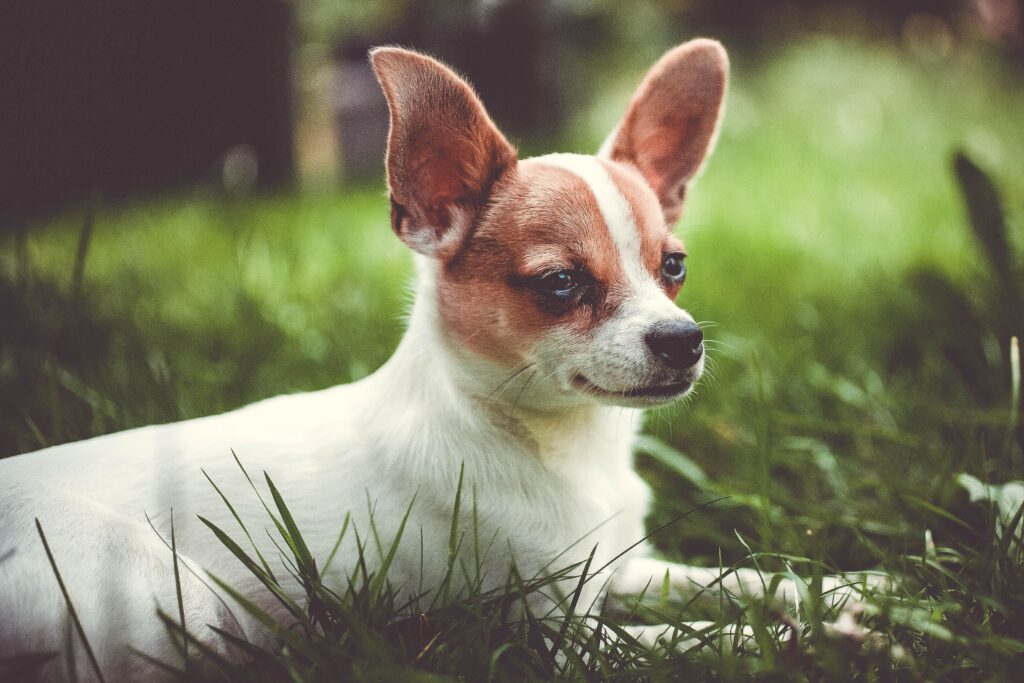
The Chihuahua is arguably the most recognizable small dog with big ears. Weighing just 2 to 6 pounds and standing 5 to 8 inches tall, this Mexican breed carries a set of ears that seem almost too large for its tiny skull.
Those large, erect ears help the breed regulate body heat in hot climates, a trait believed to trace back to its desert origins.
Personality-wise, Chihuahuas are bold, loyal, and often devoted to one person. I find it funny how a five-pound dog can act like it owns the entire house.
They are one of the oldest breeds in the Americas and remain a fixture in AKC’s most-registered breed lists year after year.
2. Papillon
The Papillon gets its name from the French word for “butterfly,” a nod to its fringed, wing-like ears. This toy breed weighs 5 to 10 pounds and stands under 11 inches tall.
Its ears are the breed’s defining feature. Fully erect and heavily fringed with long hair, they give the dog an alert, expressive look.
Papillons are consistently ranked among the smartest toy breeds by canine behaviorists, often compared to breeds several times their size in trainability.
They are lively, affectionate, and do well in agility and obedience competitions despite their delicate frame.
3. French Bulldog
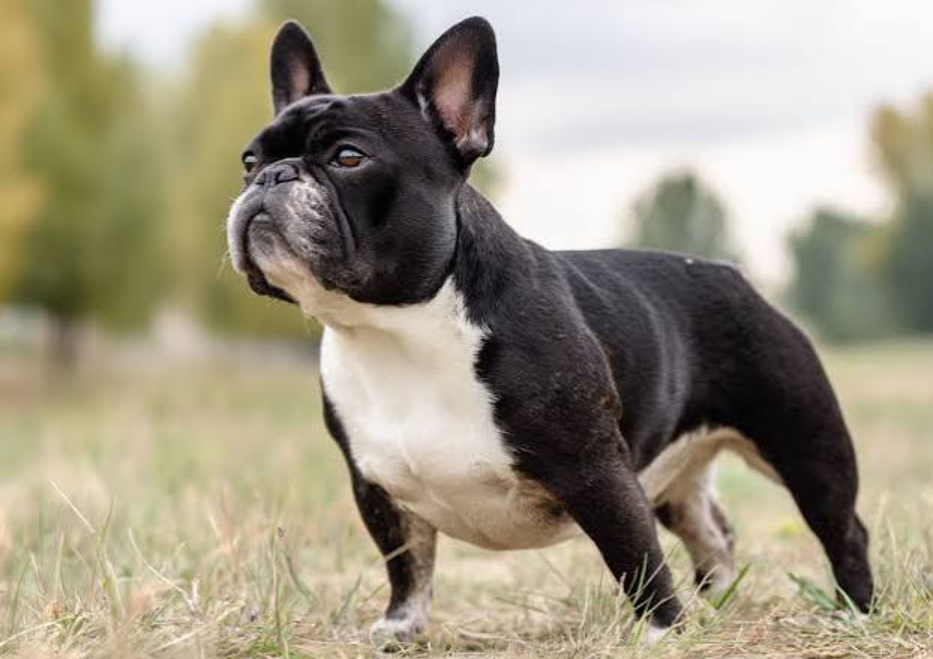
The French Bulldog is currently America’s most popular dog breed, according to the American Kennel Club’s registration data, holding the top spot for the fourth year running.
Its trademark “bat ears” are broad at the base, rounded at the top, and set high on the head. Breeders and judges consider this ear shape a defining trait of the standard.
Frenchies typically weigh under 28 pounds and stand 11 to 13 inches tall, making them a solid pick for apartment life.
They do not bark excessively, which I appreciate, though their short muzzle means owners should watch for breathing issues in heat.
ALSO READ: 25 Common French Bulldog Health Problems (Identification, and What to Do)
4. Pembroke Welsh Corgi
Made famous by Queen Elizabeth II, the Pembroke Welsh Corgi has large, pointed ears that stand fully erect, giving it a fox-like expression.
This herding breed weighs 24 to 30 pounds and stands about 10 to 12 inches at the shoulder, short legs and all.
Corgis were bred to herd cattle by nipping at their heels, and their big ears helped them stay alert to livestock movement across open fields.
They are intelligent, energetic, and need regular exercise. A bored Corgi is a mischievous Corgi.
5. Cardigan Welsh Corgi
Often confused with its Pembroke cousin, the Cardigan Welsh Corgi has a longer tail and slightly larger, rounder ears.
Weighing 25 to 38 pounds, it is a bit sturdier than the Pembroke. Its ears sit wide apart and stand erect, tuned to catch the faintest sound.
This is one of the oldest herding breeds in Britain, with a history stretching back roughly 3,000 years according to breed historians.
Cardigans are calm, loyal, and slightly less vocal than Pembrokes, though still very much herding dogs at heart.
6. Cavalier King Charles Spaniel
The Cavalier King Charles Spaniel has long, feathered, drop ears that frame its gentle face beautifully.
This breed weighs 13 to 18 pounds and stands 12 to 13 inches tall. It consistently ranks in the AKC’s top 15 most popular breeds nationwide.
Because of their low-hanging ears, Cavaliers need regular ear cleaning to prevent moisture buildup and infection.
They are affectionate, easygoing, and adapt well to families, seniors, and other pets. Honestly, few breeds are as cuddly as this one.
7. Miniature Pinscher
Nicknamed the “King of Toys,” the Miniature Pinscher has naturally erect ears (in countries where cropping is not practiced) that stand tall and sharp.
Weighing 8 to 10 pounds and standing 10 to 12.5 inches tall, this breed carries itself with far more confidence than its size suggests.
Min Pins were originally bred in Germany to hunt rats and vermin, and their upright ears helped them track fast-moving prey.
They are energetic, fearless, and need consistent training. Do not mistake their size for a lack of attitude.
8. Chinese Crested
The hairless variety of the Chinese Crested shows off large, wide-set ears that stand fully erect, with no fur to soften their appearance.
This toy breed weighs 8 to 12 pounds and stands 11 to 13 inches tall. Its skin requires sun protection and regular moisturizing.
Because of minimal body hair, owners can see the ear structure clearly, which is why the breed is often used as an example in canine anatomy studies.
Chinese Cresteds are affectionate, playful, and surprisingly athletic for a toy breed.
ALSO READ: 25 Dog Breeds With Curly Tails (With Pictures, and Care Tips)
9. Rat Terrier
The Rat Terrier sports large, V-shaped ears that fold slightly forward, giving it an alert, focused expression.
Weighing 10 to 25 pounds, this all-American breed was developed on farms to control rodent populations, a job it still excels at today.
Its keen hearing, aided by those prominent ears, made it a favorite working dog throughout the early 20th century in the United States.
Rat Terriers are intelligent, energetic, and thrive with owners who give them a job to do, even if that job is just fetching a ball for an hour straight.
10. Dachshund
The Dachshund recently entered the AKC’s top five most popular breeds, and its long, floppy ears are part of what makes it instantly recognizable.
Standard Dachshunds weigh 16 to 32 pounds, while Miniatures stay under 11 pounds. Both varieties share the same low-set, rounded ear shape.
Bred in Germany to hunt badgers underground, the Dachshund’s ears helped keep dirt and debris out of its ear canal while tunneling.
Because of the drop-ear shape, owners should check for wax buildup weekly to avoid infections common in the breed.
11. Beagle
The Beagle’s long, low-set, velvety ears are not just for looks. Veterinary researchers note that a Beagle’s ears help trap and funnel scent particles up toward the nose while tracking.
Beagles weigh 20 to 30 pounds and rank among the AKC’s top 10 most popular breeds in the country.
With around 220 million scent receptors, compared to a human’s roughly 5 million, Beagles are among the most scent-driven breeds in existence, and their ears play a supporting role in that ability.
They are friendly, vocal, and food-motivated, which makes training a matter of patience and good treats.
12. Boston Terrier
The Boston Terrier carries small-to-medium erect ears set at the corners of a square-shaped skull, giving the breed its trademark alert look.
Weighing 12 to 25 pounds, this American-born breed is nicknamed the “American Gentleman” for its tuxedo-like coat pattern.
It ranks consistently in the AKC’s top 25 most popular breeds nationwide, a spot it has held for years.
Bostons are friendly, adaptable, and generally quiet indoors, though they can be prone to breathing issues due to their shortened muzzle.
13. Italian Greyhound
The Italian Greyhound has large, rose-shaped ears that fold back gracefully when relaxed and perk forward when alert.
This toy sighthound weighs just 7 to 14 pounds and stands 13 to 15 inches tall, built for speed rather than bulk.
Historical records trace this breed back over 2,000 years, with depictions appearing in ancient Mediterranean art and pottery.
They are gentle, sensitive, and need warm clothing in cold weather due to their thin coat and minimal body fat.
ALSO READ: 25 Dog Breeds With Curly Hair: (With Pictures, and Care Tips)
14. Toy Fox Terrier
The Toy Fox Terrier has fully erect, pointed ears that stand tall year-round, a defining trait of the breed standard.
Weighing just 3.5 to 7 pounds, this American breed descends from the Smooth Fox Terrier, bred down in size for companionship and small-game hunting.
Its sharp hearing, combined with high energy, made it a popular farm and household ratter throughout the early 1900s.
Toy Fox Terriers are smart, athletic, and often excel in agility despite their tiny frame.
15. Brussels Griffon
The Brussels Griffon has semi-erect ears, often cropped in some countries, that add to its uniquely human-like, expressive face.
This toy breed weighs under 12 pounds and stands 7 to 10 inches tall. It gained mainstream attention after appearing in the film “As Good as It Gets.”
Originally bred in Belgium to catch rats in stables, its keen senses, supported by alert ears, made it a reliable working companion.
Brussels Griffons are affectionate and sensitive, often bonding closely with one person in the household.
16. American Cocker Spaniel
The American Cocker Spaniel has long, heavily feathered drop ears that are among the most recognizable in the sporting group.
Weighing 15 to 30 pounds, this breed was originally used to hunt woodcock, which is where its name originates.
Because their ears hang low and trap moisture, Cocker Spaniels are prone to ear infections, and veterinary dermatologists recommend routine cleaning every one to two weeks.
They are gentle, eager to please, and remain one of the most beloved family breeds in the country.
17. English Toy Spaniel
The English Toy Spaniel, also called the King Charles Spaniel, has long, low-set drop ears covered in silky fur.
This rare toy breed weighs 8 to 14 pounds and stands under 11 inches tall. It was once a favorite companion of British royalty in the 17th century.
Because of its flat face and heavy ear coat, owners need to check for skin folds and ear moisture regularly.
The breed is calm, quiet, and better suited to a relaxed household than an active one.
ALSO READ: 30 Small Dog Breeds That Don’t Shed Much (With Pictures, and Care Tips)
18. Affenpinscher
The Affenpinscher has small, erect ears set high on a monkey-like face, which is exactly how the breed earned its nickname, “Monkey Terrier.”
Weighing just 7 to 10 pounds, this breed originated in Germany, where it was used to hunt rats in kitchens, stables, and shops.
Its wiry coat and expressive ears give it one of the most distinctive faces in the toy group.
Affenpinschers are curious, mischievous, and surprisingly fearless for their size.
19. Jack Russell Terrier
The Jack Russell Terrier has small-to-medium V-shaped ears that fold forward, framing a sharp, focused expression.
Weighing 13 to 17 pounds, this English breed was developed specifically for fox hunting, requiring both speed and keen hearing to track prey underground.
Its ears sit close to the skull, which helps protect the ear canal while digging or moving through brush.
Jack Russells are high-energy, intelligent, and need significant daily exercise to stay content.
20. Toy Manchester Terrier
The Toy Manchester Terrier rounds out this list with naturally erect, candle-flame-shaped ears that taper to a fine point.
Weighing under 12 pounds, this breed was developed in England to hunt rats and rabbits, valued for its speed and sharp senses.
It is one of the oldest terrier breeds still recognized today, with roots dating back to the 16th century.
Toy Manchesters are sleek, alert, and often described as having a cat-like agility for a dog their size.
Quick Comparison Table
| Breed | Weight | Ear Type |
| Chihuahua | 2–6 lbs | Large, erect |
| Papillon | 5–10 lbs | Large, fringed, erect |
| French Bulldog | Under 28 lbs | Bat ears |
| Pembroke Welsh Corgi | 24–30 lbs | Large, erect |
| Cardigan Welsh Corgi | 25–38 lbs | Large, erect |
| Cavalier King Charles Spaniel | 13–18 lbs | Long, drop |
| Miniature Pinscher | 8–10 lbs | Erect |
| Chinese Crested | 8–12 lbs | Large, erect |
| Rat Terrier | 10–25 lbs | V-shaped |
| Dachshund | 16–32 lbs (standard) | Long, drop |
| Beagle | 20–30 lbs | Long, low-set |
| Boston Terrier | 12–25 lbs | Erect |
| Italian Greyhound | 7–14 lbs | Rose-shaped |
| Toy Fox Terrier | 3.5–7 lbs | Erect |
| Brussels Griffon | Under 12 lbs | Semi-erect |
| American Cocker Spaniel | 15–30 lbs | Long, drop |
| English Toy Spaniel | 8–14 lbs | Long, drop |
| Affenpinscher | 7–10 lbs | Small, erect |
| Jack Russell Terrier | 13–17 lbs | V-shaped |
| Toy Manchester Terrier | Under 12 lbs | Erect, pointed |
Caring for Big Ears on Small Dogs
Big ears look charming, but they come with real maintenance needs. Here is what I recommend keeping an eye on, based on standard veterinary guidance.
Erect ears generally need less cleaning since they allow better airflow. Still, check weekly for debris or redness.
Drop ears, like those on Cocker Spaniels and Dachshunds, trap warmth and moisture. This creates a breeding ground for yeast and bacteria if left unchecked.
Veterinary dermatologists generally recommend cleaning floppy ears every one to two weeks with a vet-approved solution, and more often for dogs that swim or have allergies.
Watch for these warning signs: head shaking, scratching at the ears, a foul odor, or dark discharge. These usually point to an infection that needs veterinary attention.
Frequently Asked Questions
What small dog breed has the biggest ears relative to its body? The Chihuahua and Papillon are often cited as having the largest ears in proportion to head size among small breeds.
Do big ears mean better hearing? Not always. Ear size affects sound capture, but hearing ability also depends on the dog’s age, breed genetics, and overall ear health.
Are floppy-eared small dogs more prone to ear infections? Yes. Breeds with long, drop ears, such as Cocker Spaniels and Dachshunds, face higher infection risk due to reduced airflow and trapped moisture.
Which big-eared small breed is best for apartments? French Bulldogs, Chihuahuas, and Boston Terriers are commonly recommended for apartment living due to their low exercise needs and manageable size.
Final Thoughts
Small dogs with big ears bring personality, charm, and a bit of comic relief into daily life. I genuinely believe there is a breed on this list for nearly every type of owner, whether you want a lap companion or an energetic little hunter.
Before choosing a breed, think about your living space, activity level, and how much time you can dedicate to ear care and grooming. The right match makes all the difference.
Whichever breed you choose, those big, expressive ears are bound to become your favorite feature within the first week.
References
- Cornell University College of Veterinary Medicine – Riney Canine Health Center: https://www.vet.cornell.edu/departments-centers-and-institutes/cornell-riney-canine-health-center
- UC Davis School of Veterinary Medicine: https://www.vetmed.ucdavis.edu/
- Centers for Disease Control and Prevention – Healthy Pets, Healthy People: https://www.cdc.gov/healthy-pets/about/index.html
- USDA Animal and Plant Health Inspection Service – Animal Welfare: https://www.aphis.usda.gov/animal-welfare
- National Institutes of Health – National Library of Medicine, PubMed: https://pubmed.ncbi.nlm.nih.gov/
- Texas A&M School of Veterinary Medicine – Pet Talk: https://vetmed.tamu.edu/pet-talk/
- Purdue University College of Veterinary Medicine: https://vet.purdue.edu/