25 Dog Breeds With Curly Hair: (With Pictures, and Care Tips)
Curly coats have become one of the most admired traits for prospective dog owners, largely thanks to their tidy appearance and reputation for lower shedding. That popularity has fueled a boom in Poodle-mix “Doodle” breeds over the past two decades.
I have groomed, walked, and lived alongside a few of these curly breeds, and I can tell you the curls themselves are often the easiest part. What surprises most new owners is how differently each breed’s curl behaves day to day.
This guide covers 25 verified curly-haired dog breeds, explains the science behind the curl, and gives you grooming and care details.
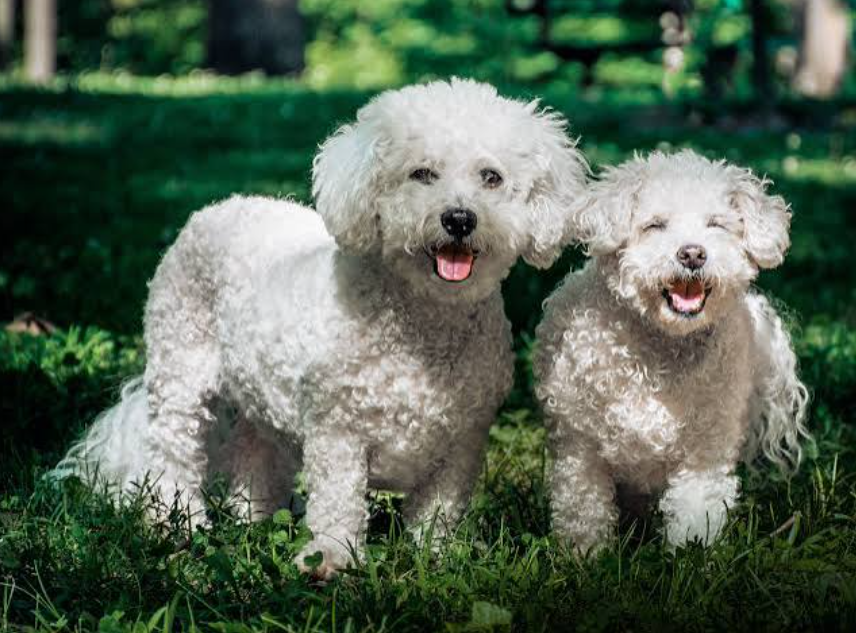
Quick Truth About “Hypoallergenic” Curly Dogs
I want to address this directly, because curly breeds are marketed as allergy-friendly more than almost any other coat type. There is no scientifically confirmed hypoallergenic dog breed, curly or otherwise.
Veterinary allergists consistently point out that allergens come from dander, saliva, and urine, not the hair strand itself. A tightly curled coat traps loose hair rather than releasing it, which reduces visible mess but does not eliminate allergen exposure.
Research highlighted by allergy specialists affiliated with Northwestern University confirms that even breeds marketed as hypoallergenic can still trigger allergic reactions in sensitized individuals. The curls simply change how the allergen spreads through your home.
Still, many allergy sufferers report doing better with curly-coated breeds in practice. Reduced shedding means less airborne hair carrying allergen particles, even if the underlying protein levels stay similar.
Now, let’s go through a list of 25 dog breeds with curly hair. I have grouped them by coat category so you can compare similar types side by side.
Classic Curly Retrievers and Water Dogs
1. Poodle (Standard, Miniature, and Toy)
The Poodle is the breed most people picture when they hear “curly hair,” and for good reason. Its dense, tightly curled coat traps shed hair rather than releasing it, which is why Poodles top nearly every low-shedding and curly-coat list at once.
Originally bred in Germany as a water retriever before becoming closely associated with France, the Poodle carries genuine working intelligence beneath its elegant appearance. Standard Poodles were used for waterfowl retrieval, while smaller sizes were developed later as companions.
Poodles come in three official sizes, from toy dogs under 10 pounds to standards over 45 pounds, so nearly any household can find a fitting size. Grooming every 4 to 6 weeks keeps the curls from matting close to the skin.
2. Portuguese Water Dog
Famous partly for being the Obama family’s presidential pet, the Portuguese Water Dog carries a dense, curly or wavy coat built for swimming and cold water work. Its coat comes in two varieties, curly and wavy, both requiring regular grooming attention.
This breed was originally used by Portuguese fishermen to herd fish into nets, retrieve gear, and carry messages between boats. That working history explains its high energy, strong swimming ability, and eagerness to have a job to do.
Weighing between 35 and 60 pounds, this is a mid-to-large breed that needs regular exercise beyond just a walk around the block. Coat clips every 6 to 8 weeks keep the curls manageable without stripping their natural water-resistant oils.
3. Lagotto Romagnolo
This Italian breed carries a dense, woolly, curly coat originally developed for retrieving waterfowl in the marshlands of Romagna. Today, the Lagotto is best known internationally as a skilled truffle-hunting dog, thanks to its exceptional sense of smell.
Lagottos are intelligent, affectionate, and eager to work, traits that made them so effective for truffle hunters across Italy. Their curly coat also happens to shed very little, which adds to their appeal among allergy-conscious owners.
Weighing 24 to 35 pounds, this breed needs professional grooming every 8 to 12 weeks, since the wool-like curls mat easily if left untouched. Many owners keep the coat trimmed short rather than let it grow into full curls.
4. Spanish Water Dog
This rustic Iberian breed has a single-layer coat that naturally forms tight curls or cords as it grows longer. Unlike most curly breeds, Spanish Water Dogs are traditionally never brushed, since brushing would disrupt the natural cording process.
Bred for centuries as an all-purpose farm dog in Spain, this breed herded livestock, retrieved from water, and guarded property. That versatile working history shows in its high intelligence, independence, and strong herding instinct.
Weighing 31 to 49 pounds, the Spanish Water Dog needs regular clipping instead of brushing, typically once or twice a year, to keep the cords at a manageable length.
5. Curly-Coated Retriever
One of the oldest retriever breeds, the Curly-Coated Retriever carries a coat of tight, crisp curls covering its entire body except the face and front legs. Genetic research has shown this breed carries a distinct KRT71 mutation not shared by most other curly breeds.
Developed in England for waterfowl retrieval, this breed is confident, independent, and somewhat reserved compared to other retriever types. It tends to bond closely with its family while remaining more aloof with strangers than a typical Labrador.
Weighing 60 to 70 pounds, this is one of the larger breeds on this list. Its coat needs surprisingly little grooming, just occasional brushing, since the tight curls naturally resist matting and dirt.
6. Irish Water Spaniel
Recognized by its distinctive curly topknot and rat-like tail, the Irish Water Spaniel carries dense, tight ringlets over most of its body. It is considered one of the oldest and tallest spaniel breeds still recognized today.
This breed was developed in Ireland specifically for retrieving waterfowl in cold marshland conditions, and its dense curls provide genuine insulation against wet, chilly weather. Irish Water Spaniels tend to be clownish, intelligent, and somewhat independent-minded.
Weighing 45 to 68 pounds, this breed needs grooming every 6 to 8 weeks to keep the curls from becoming a matted mess. Owners often describe the texture as feeling like tight, springy wool.
7. Barbet
This French water dog carries a thick, curly, wooly coat that covers its entire body, including a distinctive beard that gives the breed its name. “Barbet” comes from the French word for beard, “barbe.”
Historically used for retrieving waterfowl across French marshlands, the Barbet nearly went extinct in the twentieth century before dedicated breeders revived the line. Today it remains a rare but increasingly popular family companion.
Weighing 35 to 65 pounds, the Barbet needs brushing two to three times weekly along with professional grooming every 8 to 12 weeks. Left untrimmed, the curly coat can grow quite long and shaggy.
8. American Water Spaniel
Developed in the American Midwest as a versatile hunting companion, this breed carries a dense, curly or wavy coat suited to both water retrieval and rough field cover. It remains the official state dog of Wisconsin.
American Water Spaniels are energetic, loyal, and closely bonded to their families, though they can be reserved with unfamiliar people. Their compact size made them ideal for hunters working from small boats.
Weighing 25 to 45 pounds, this breed needs weekly brushing to prevent matting, along with occasional trims around the ears and feet. The coat’s natural oils help repel water during retrieval work.
Curly and Wire-Coated Terriers
9. Airedale Terrier
Known as the “King of Terriers” for its larger size, the Airedale carries a wiry, slightly curled coat that sheds minimally but needs hand-stripping to maintain its harsh texture. This breed originated in England’s Aire Valley as a versatile hunting and vermin-control dog.
Airedales are confident, intelligent, and often surprisingly good-natured for a terrier, making them suitable family companions when properly trained. Their working background gave them a strong prey drive that still shows today.
Weighing 40 to 65 pounds, this is the largest terrier breed on this list. Professional stripping twice a year keeps the coat’s texture correct, though many pet owners opt for simpler clipping instead.
10. Kerry Blue Terrier
This Irish breed carries a soft, dense, curly coat that starts out black in puppyhood before fading to its signature blue-gray color by adulthood. The transformation typically finishes by around 18 months of age.
Originally bred in Ireland’s County Kerry for hunting, herding, and vermin control, this breed carries a bold, confident temperament. Kerry Blues tend to be loyal to their families while remaining assertive with other dogs.
Weighing 33 to 40 pounds, this breed needs brushing several times weekly along with professional grooming every 6 to 8 weeks. Its low-shedding curls make cleanup easier despite the coat’s density.
11. Soft Coated Wheaten Terrier
Named for its soft, wavy, wheat-colored coat, this Irish breed sheds minimally thanks to its single-layer, hair-type texture. The coat is technically wavy rather than tightly curled, but it shares the same low-shedding genetics as its curlier cousins.
Wheatens were originally used on Irish farms for herding, guarding, and vermin control, and their friendly, exuberant personality reflects a long history as an all-purpose farm companion. They tend to be less aggressive toward other dogs than many terrier breeds.
Weighing 30 to 40 pounds, this breed needs daily brushing to prevent tangles in its longer coat. Regular trims every 6 to 8 weeks help maintain the soft, flowing texture the breed is known for.
12. Bedlington Terrier
With a distinctive lamb-like silhouette, the Bedlington Terrier carries a curly, wooly coat that sheds very little and requires specialized grooming to achieve its signature rounded shape. The breed originated in Bedlington, England, where it was used for hunting vermin.
Despite its gentle appearance, this breed has a surprisingly athletic, spirited temperament rooted in its terrier hunting background. Bedlingtons tend to be loyal and affectionate with their families while showing real tenacity when needed.
Weighing 17 to 23 pounds, this breed needs professional grooming every 6 to 8 weeks to maintain its distinctive trim. Regular brushing between visits prevents the wooly coat from matting.
READ MORE ON: 30 Small Dog Breeds That Don’t Shed Much (With Pictures, and Care Tips)
Corded and Felted Coat Breeds
13. Puli
This Hungarian herding breed is famous for its naturally corded coat, which forms as the dog’s curly undercoat and outer coat mat together into rope-like strands. The cords begin forming naturally around 8 to 12 months of age without any brushing.
Pulis were bred for centuries to herd sheep across the Hungarian plains, and their corded coat provided protection from harsh weather and predator bites. This breed remains agile, intelligent, and highly trainable despite its unusual appearance.
Weighing 25 to 35 pounds, the Puli requires careful hand-separation of cords during the forming process to prevent them from matting into one solid mass. Full cords take one to two years to develop properly.
14. Pumi
A close relative of the Puli, the Pumi carries a curly, corkscrew-textured coat that is springier and less corded than its cousin’s. Its ears stand semi-erect, giving it an alert, almost comical expression unique among herding breeds.
Developed in Hungary as a versatile herding and driving dog, the Pumi is energetic, vocal, and highly responsive to training. It remains relatively rare outside its home country, though its popularity has grown steadily in recent years.
Weighing 18 to 29 pounds, this breed needs brushing two to three times weekly to keep the curly texture from matting. Unlike the Puli, Pumi coats are not intentionally corded.
15. Bergamasco Shepherd
This Italian herding breed carries one of the most unusual coats in the dog world, made up of three distinct hair types that mat together into flat, felted mats called “flocks.” The process begins around one year of age and continues developing for several years.
Bergamascos were developed in the Italian Alps to herd sheep independently, often without close human supervision. That independence shows today in a calm, watchful temperament that doesn’t require constant direction.
Weighing 57 to 84 pounds, this is one of the larger breeds on this list. Despite its wild appearance, the felted coat needs surprisingly little maintenance once fully formed, just occasional separation of the flocks.
Popular Poodle-Mix “Doodle” Breeds
16. Cockapoo
One of the earliest deliberately bred Poodle hybrids, the Cockapoo combines the Cocker Spaniel and Poodle, typically inheriting a wavy to curly, low-shedding coat. This cross dates back to the 1960s, making it one of the oldest recognized designer breeds.
Cockapoos are known for a cheerful, affectionate temperament that suits families, singles, and seniors alike. Their moderate energy level makes them adaptable to both apartments and homes with yards.
Weighing 12 to 24 pounds depending on the Cocker Spaniel parent’s size, this hybrid needs professional grooming every 6 to 8 weeks. Coat texture varies from litter to litter, so daily brushing is a smart habit regardless.
17. Labradoodle
Originally developed in Australia in the 1980s to create a guide dog suitable for allergy sufferers, the Labradoodle combines the Labrador Retriever and Poodle. Coat types range from loosely wavy to tightly curled, depending on genetic influence from each parent.
This hybrid tends to inherit the Labrador’s friendly, eager-to-please temperament alongside the Poodle’s intelligence and trainability. That combination has made it one of the most popular family dogs of the past three decades.
Weighing 50 to 65 pounds in standard sizes, the Labradoodle needs brushing several times weekly and professional grooming every 6 to 8 weeks, especially for dogs with tighter, Poodle-dominant curls.
18. Goldendoodle
Combining the Golden Retriever and Poodle, this hybrid typically carries a wavy to curly coat that sheds far less than a purebred Golden Retriever. Its friendly, affectionate temperament has made it one of the most requested family dogs in recent years.
Goldendoodles inherit intelligence and trainability from both parent breeds, making them relatively easy to train even for first-time owners. They tend to be highly social with both people and other animals.
Weighing 50 to 90 pounds in standard sizes, this breed needs regular brushing several times a week along with professional grooming every 6 to 8 weeks to prevent matting in the denser curls.
19. Bernedoodle
This newer hybrid crosses the Bernese Mountain Dog with a Poodle, typically producing a wavy or curly coat that sheds minimally compared to a purebred Bernese. It comes in standard, mini, and toy sizes depending on the Poodle parent used.
Bernedoodles tend to inherit the Bernese Mountain Dog’s calm, affectionate nature alongside the Poodle’s intelligence, resulting in a gentle, family-oriented temperament. They are generally good with children and other pets.
Weighing anywhere from 10 to 90 pounds depending on size variety, this breed needs brushing several times weekly. Professional grooming every 6 to 8 weeks helps manage the thick, curly undercoat inherited from its Bernese parent.
20. Aussiedoodle
A cross between the Australian Shepherd and Poodle, this hybrid typically carries a wavy to curly coat and often inherits the Australian Shepherd’s striking merle coloring. Shedding tends to be minimal compared to a purebred Australian Shepherd.
Aussiedoodles are highly intelligent and energetic, inheriting strong herding instincts from their Australian Shepherd parent. This breed does best with owners who can commit to regular mental and physical exercise.
Weighing 25 to 70 pounds depending on size variety, this hybrid needs brushing several times weekly. Regular exercise is just as important as grooming, given the breed’s high energy level.
21. Sheepadoodle
Combining the Old English Sheepdog with a Poodle, this large, shaggy hybrid typically carries a wavy or curly coat that sheds far less than its Sheepdog parent. Its fluffy appearance and gentle temperament have made it increasingly popular in recent years.
Sheepadoodles tend to be playful, affectionate, and surprisingly patient with children, inheriting a calm disposition from their Old English Sheepdog lineage. They also carry the Poodle’s intelligence, making training relatively straightforward.
Weighing 45 to 80 pounds, this breed needs frequent brushing and professional grooming every 6 to 8 weeks to manage its dense, curly double coat.
22. Cavapoo
This hybrid combines the Cavalier King Charles Spaniel with a Poodle, typically producing a soft, wavy to curly coat with minimal shedding. It has become one of the most popular small Doodle breeds for apartment living.
Cavapoos inherit an affectionate, gentle temperament from their Cavalier parent alongside the Poodle’s intelligence and trainability. They tend to be excellent companions for families, seniors, and first-time dog owners alike.
Weighing 7 to 25 pounds depending on the Poodle parent’s size, this breed needs brushing several times weekly. Professional grooming every 6 to 8 weeks keeps the coat neat and mat-free.
23. Yorkipoo
A Yorkshire Terrier and Poodle cross, the Yorkipoo often inherits a soft, wavy to curly coat, though texture varies significantly from litter to litter depending on parental influence. Shedding tends to be minimal regardless of the exact coat type inherited.
This hybrid carries forward the confident, alert personality of its Yorkshire Terrier parent alongside the Poodle’s trainability. Early socialization helps balance that boldness with good manners around strangers and other animals.
Weighing 3 to 14 pounds, the Yorkipoo suits small living spaces well. Brushing two to three times weekly, along with occasional professional grooming, keeps the coat looking tidy.
24. Schnoodle
Combining the Schnauzer with a Poodle, this hybrid typically carries a wiry to curly coat that sheds minimally, inheriting low-shedding genetics from both parent breeds. Sizes vary widely depending on whether a Toy, Miniature, or Standard Schnauzer was used in the cross.
Schnoodles tend to be alert, intelligent, and loyal, combining the Schnauzer’s watchdog instincts with the Poodle’s eagerness to please. This makes them adaptable companions for a range of household types.
Weighing 6 to 75 pounds depending on the size variety, this hybrid needs professional grooming every 6 to 8 weeks. Regular brushing at home helps prevent matting between grooming appointments.
25. Whoodle
A cross between the Soft Coated Wheaten Terrier and Poodle, the Whoodle typically inherits a soft, wavy to curly coat with low shedding from both parent breeds. This hybrid has grown steadily in popularity among allergy-conscious families.
Whoodles tend to be friendly, energetic, and eager to please, blending the Wheaten Terrier’s exuberance with the Poodle’s trainability. They generally do well in active households that can meet their exercise needs.
Weighing 20 to 45 pounds, this breed needs brushing several times weekly along with professional grooming every 6 to 8 weeks to keep the wavy-to-curly coat from matting.
How Much Grooming Do Curly-Coated Dogs Actually Need?
Here is something many new owners underestimate: curly coats generally need more grooming, not less, compared to straight-coated breeds. The curls trap loose hair instead of releasing it, but that trapped hair still has to go somewhere.
Left unbrushed, curly coats mat close to the skin within weeks, and severe mats can become painful and even require shaving. Professional groomers generally recommend visits every 6 to 8 weeks for most curly and wavy-coated breeds.
Corded breeds like the Puli follow a completely different routine. Instead of brushing, owners must hand-separate cords regularly during the first year or two to prevent them from clumping into one solid mass.
Bathing frequency also matters more than people expect. Over-bathing curly coats can strip natural oils, so most groomers suggest bathing every 3 to 4 weeks rather than weekly, paired with a good conditioner.
Curly Coat Ownership Trends Worth Knowing
Poodle-mix hybrids have driven much of the recent growth in curly-coated dog ownership across the United States. According to the 2025 AVMA Pet Ownership and Demographics Sourcebook, the overall U.S. dog population reached 87.3 million animals.
Dog owners reported average veterinary costs of roughly $598 per year in 2025, and grooming costs for curly-coated breeds often add a meaningful amount on top of standard veterinary spending.
Interestingly, 79.5% of dog owners consider their pets family members, and curly-coated breeds, particularly Doodle hybrids, rank among the most searched dog categories online year after year.
The rise of designer hybrids also reflects a broader shift in buyer priorities. Many owners now weigh coat type and shedding potential as heavily as temperament when choosing their next dog.
Best Curly-Coated Dogs by Lifestyle
- For apartment living: The Cavapoo, Bichon Frise-adjacent Poodle mixes, and Toy Poodle adapt well to compact spaces since they need moderate exercise and stay relatively quiet indoors.
- For active outdoor families: The Portuguese Water Dog, Airedale Terrier, and Labradoodle thrive with regular swimming, hiking, or fieldwork opportunities.
- For allergy-sensitive households: The Poodle, Lagotto Romagnolo, and Bichon-Poodle hybrids tend to produce less airborne hair, though meeting the specific dog beforehand remains essential.
- For first-time owners: The Cockapoo, Cavapoo, and Goldendoodle are known for forgiving, trainable temperaments that suit less experienced handlers.
- For experienced dog owners seeking a challenge: The Puli, Bergamasco, and Airedale Terrier reward owners willing to invest in specialized coat care and consistent training.
- For low-grooming-time households: The Curly-Coated Retriever and Spanish Water Dog need the least frequent professional grooming among true curly breeds.
Choosing the Right Curly-Coated Breed for You
Think honestly about your grooming budget and time before choosing based on looks alone. Corded and felted coats like the Puli and Bergamasco demand serious long-term commitment, while short-clipped curly breeds are far more forgiving.
Consider your household’s activity level too. Working retrievers and water dogs like the Portuguese Water Dog and Irish Water Spaniel need real exercise, not just a quick walk around the block.
If allergies are a concern, spend time with the specific dog rather than relying on breed reputation alone. Individual reactions vary widely, even within the same litter of Doodle puppies.
Final Thoughts
Every breed on this list carries the same underlying genetic trait, but the way that curl expresses itself varies enormously from tight ringlets to loose waves to fully corded mats. That variety is part of what makes curly-coated dogs so fascinating.
I genuinely believe the right match depends on how much grooming time you can realistically commit to, not just how the coat looks in photos. A Puli’s cords and a Poodle’s clip-friendly curls require entirely different lifestyles.
Take time to meet a few candidates in person, ask breeders or rescues about grooming demands, and let temperament guide your final decision as much as the coat itself.
If you’re adopting rather than buying from a breeder, check local rescue groups that specialize in Poodles, Poodle mixes, and terrier breeds. Many curly-coated dogs end up needing new homes simply because owners underestimated the grooming commitment.
Whichever breed you choose, remember that consistent grooming, proper nutrition, and regular vet visits matter just as much as coat type. A well-cared-for curly coat stays healthy, comfortable, and genuinely low-mess for years to come.
Frequently Asked Questions
What causes curly hair in dogs? Curly hair comes from variants in the KRT71 gene, which controls keratin production in hair follicles. Research from the National Human Genome Research Institute confirms this gene, alongside two others, accounts for most coat variation in dogs.
Are curly-haired dogs hypoallergenic? No breed is scientifically proven to be hypoallergenic. Curly coats trap loose hair rather than releasing it, which reduces visible shedding but does not eliminate the underlying allergen proteins.
Do curly-coated dogs need more grooming than straight-coated dogs? Generally yes. Curly coats mat more easily since loose hair stays trapped near the skin instead of falling out, so regular brushing and professional grooming are essential.
Which curly breed needs the least grooming? The Curly-Coated Retriever and Spanish Water Dog need comparatively less frequent professional grooming than most other curly breeds on this list.
Do Poodle-mix Doodles always have curly coats? Not always. Coat texture in Doodle hybrids ranges from straight to wavy to tightly curled, depending on which genetic variants each individual puppy inherits from its parents.
References
- National Human Genome Research Institute, National Institutes of Health. Variants in Three Genes Account for Most Dog Coat Differences. https://www.genome.gov/27533334/2009-release-variants-in-three-genes-account-for-most-dog-coat-differences
- National Human Genome Research Institute, National Institutes of Health. The NHGRI Dog Genome Project: Coat Variation. https://research.nhgri.nih.gov/dog_genome/study_descriptions/study-coat_variation.shtml
- National Institutes of Health, National Library of Medicine (PubMed). Coat variation in the domestic dog is governed by variants in three genes. https://pubmed.ncbi.nlm.nih.gov/19713490/
- University of California, Davis, Veterinary Genetics Laboratory. Curl (C1, C2) Genetic Test. https://vgl.ucdavis.edu/test/curl
- Cornell University College of Veterinary Medicine, Riney Canine Health Center. Genetic Disease Resources. https://www.vet.cornell.edu/departments-centers-and-institutes/riney-canine-health-center/canine-health-topics/genetic-disease-resources
- Northwestern University, Medill Reports Chicago. Fido Fact or Fiction: The Truth About Hypoallergenic Pets. https://www.helix.northwestern.edu/2009/05/19/fido-fact-or-fiction-the-truth-about-hypoallergenic-pets
- National Institute of Environmental Health Sciences (NIEHS), National Institutes of Health. Pet Allergens. https://www.niehs.nih.gov/health/topics/agents/allergens/pets