25 Best Pet Fish for Beginners (Easy, Hardy, and Beautiful Picks)
I still remember staring at my first empty tank, completely unsure which fish would survive my learning curve. Every hobbyist starts there. The good news is that fishkeeping does not have to be complicated when you choose the right species from day one.
This guide covers 25 types of pet fish that are genuinely beginner-friendly. Each one is forgiving of small mistakes, tolerant of common water conditions, and easy to find at almost any pet store.
A quick note before we start: according to Ohio State University’s Pets 4 Life program, a solid starting rule is one gallon of water for every inch of adult fish length, though this is only a baseline, not a fixed formula (Ohio State University, n.d.). Keep that number in mind as you read through the list.
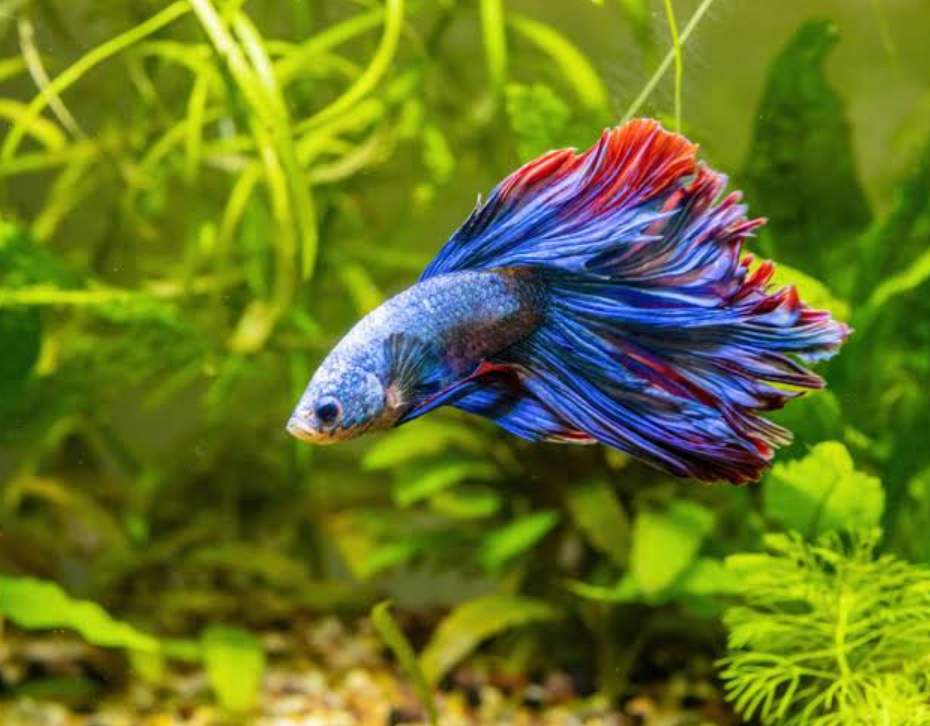
1. Betta Fish (Siamese Fighting Fish)
The betta is probably the single most recognized beginner fish, and for good reason. Its flowing fins and vivid colors make it look like a living jewel, yet it survives in a basic five-gallon tank with a heater and gentle filter.
Bettas are solitary by nature and often become aggressive toward other bettas or brightly colored, fin-nipping tankmates. I always tell new keepers to treat a betta as a single-fish centerpiece rather than a community fish.
They breathe partly through a labyrinth organ, which lets them gulp air at the surface. This unique trait is part of why bettas tolerate lower-oxygen water better than most tropical species.
2. Common Goldfish
Goldfish have been kept as pets for centuries, and they remain one of the hardiest cold-water fish available. According to the U.S. Geological Survey, goldfish typically live six to seven years, though some individuals have been documented living as long as 30 years (USGS, 2026).
They grow far larger than most beginners expect. A single goldfish can reach 15 to 20 centimeters in length and needs at least 20 gallons of water, with more added for each additional fish.
Please never release a goldfish into a local pond or river. The Minnesota Department of Natural Resources notes that released goldfish have established damaging wild populations in several U.S. states (Minnesota DNR, 2026).
3. Guppy
Guppies are famous for their easy breeding and dazzling tail patterns. A small group can live comfortably in a five-gallon tank kept between 72 and 79 degrees Fahrenheit.
Feeding them is refreshingly simple. Guppies accept flakes, pellets, and frozen foods without fuss, and they rarely refuse a meal, which makes portion control the main skill to learn.
One thing to plan for: guppies breed quickly and often. If you keep both sexes together, expect baby fish within weeks, so have a plan for extra tank space.
4. Neon Tetra
Few fish pack as much color into such a small body as the neon tetra. Its electric blue stripe and red belly practically glow under aquarium lighting.
Neon tetras are strictly schooling fish. Keep them in groups of six or more, since a lone or lightly grouped neon tends to hide and become stressed, which shortens its lifespan noticeably.
They prefer soft, slightly acidic water, but healthy captive-bred stock adapts well to typical tap water once it has been conditioned. A planted 10-gallon tank suits a small school nicely.
5. Platy
Platies are chunky, colorful livebearers that rarely cause trouble in a community tank. Their calm temperament makes them ideal tankmates for other peaceful beginner species.
They are extremely tolerant of water fluctuations, which forgives the small dosing or temperature mistakes that new keepers sometimes make in the first few months.
Platies also breed readily, similar to guppies. Many beginners enjoy this trait since it offers a gentle introduction to fish breeding without needing specialized equipment.
6. Molly
Mollies come in black, silver, dalmatian, and sailfin varieties, all sharing a hardy and sociable nature. A 10-gallon tank suits a small group nicely.
Diet matters more here than with most beginner fish. Mollies need a diet with real plant matter, such as blanched vegetables or algae wafers, alongside standard flake food.
They also do well in slightly harder, more alkaline water, and some keepers even add a small amount of aquarium salt, which mollies tolerate better than many other freshwater species.
7. Swordtail
Named for the long, sword-like extension on the male’s tail fin, this livebearer is closely related to the platy and molly. It is just as easygoing and just as visually striking.
Swordtails prefer a bit more swimming room than platies, so a 15- to 20-gallon tank works better than a cramped setup, especially if you keep more than one male.
They are omnivorous and unfussy, eating flakes, pellets, and the occasional piece of blanched zucchini or cucumber without any special preparation.
8. Zebra Danio
Zebra danios earned their name from the bold horizontal stripes running along their sides. According to information compiled from beginner fishkeeping resources, they thrive in temperatures between 64 and 74 degrees Fahrenheit, a wider range than many tropical fish tolerate.
They are constantly active swimmers, darting around the middle and top of the tank, which makes them entertaining to watch even for young children.
Danios do best in schools of five or more. Keeping too few can encourage fin-nipping behavior directed at slower, longer-finned tankmates.
9. Cherry Barb
The cherry barb is a small, peaceful schooling fish known for the deep red coloring male fish display, especially during feeding time or gentle courtship displays.
It is considerably calmer than many other barb species, making it a safer choice for community tanks that include slow-moving or long-finned fish like bettas or gouramis.
A group of six cherry barbs does well in a 15-gallon tank with moderate plant cover. They accept most standard aquarium foods without any picky habits.
10. Harlequin Rasbora
This small, copper-and-black triangular-patterned fish is a staple of peaceful community tanks. Its calm schooling behavior adds gentle, constant motion without any aggression.
Harlequin rasboras prefer to be kept in groups of at least six. In smaller numbers, they tend to become shy and spend most of their time hiding behind plants or decorations.
They are not fussy eaters, accepting flakes and small pellets easily. Soft, slightly tannic water similar to their natural Southeast Asian habitat brings out their best coloring.
11. White Cloud Mountain Minnow
Often called the “poor man’s neon tetra,” this minnow offers similar color at a fraction of the price and with far greater tolerance for cooler water.
It can live comfortably at room temperature, even without a heater in many homes, which makes it one of the most budget-friendly beginner fish on this list.
White clouds are peaceful schooling fish that do best in groups of six or more. They eat standard flake food and rarely show any aggression toward tankmates.
12. Corydoras Catfish
Corydoras are small, armored bottom-dwelling catfish that spend their day sifting through substrate for leftover food. They are gentle, social, and genuinely fun to watch.
They should always be kept in groups, ideally five or more of the same species, since corydoras are highly social and become visibly stressed when isolated.
A soft, sand-like substrate protects their sensitive barbels, the whisker-like feelers around their mouths. Sharp gravel can wear these down over time and cause infections.
13. Kuhli Loach
This eel-like, striped bottom dweller looks unusual but behaves gently. It spends much of its time burrowing through soft substrate or hiding among plants and decorations.
Kuhli loaches are nocturnal, so beginners are sometimes surprised when their new fish seems to vanish during the day, only to reappear once the lights go out.
They do best in groups of three or more, in a tank with soft substrate and secure hiding spots. A tightly fitted lid is essential, since they are known escape artists.
14. Dwarf Gourami
The dwarf gourami is a small, colorful labyrinth fish, meaning it can breathe surface air similarly to the betta. This adaptation makes it forgiving of imperfect water oxygenation.
Males display striking red, blue, and orange patterning, especially in well-maintained tanks with good lighting and a varied diet of flakes, pellets, and occasional live food.
A single dwarf gourami does well in a 10-gallon tank, though it can become territorial with similarly shaped or colored fish, so plan tankmates carefully.
15. Pearl Gourami
Slightly larger and generally calmer than its dwarf cousin, the pearl gourami is known for a lace-like pattern across its body and a gentle, almost graceful swimming style.
It coexists peacefully with most community fish, rarely showing the territorial streak seen in some other gourami species, which makes it a safer pick for mixed tanks.
A 20-gallon tank with floating plants suits this species well, since pearl gouramis appreciate some surface cover and dim lighting that mimics their natural habitat.
16. Bristlenose Pleco
Unlike the common pleco, which can grow over a foot long, the bristlenose pleco stays a manageable four to five inches, making it far more suitable for smaller beginner tanks.
It earns its keep by grazing algae off glass, decorations, and driftwood, though it still needs supplemental algae wafers or blanched vegetables to stay properly fed.
Bristlenose plecos are calm, mostly nocturnal, and rarely bother other fish. A piece of driftwood in the tank supports their digestion and gives them a natural resting spot.
17. Otocinclus Catfish
This tiny algae-eating catfish is a favorite for planted tanks, since it grazes gently on soft algae without damaging live plants the way some other species might.
Otocinclus fish need an already-established tank. They struggle in brand-new setups without a steady algae supply, so add them only after your tank has matured for several weeks.
They are social and should be kept in groups of at least three. Peaceful by nature, they blend easily into almost any beginner community tank.
18. Rosy Barb
The rosy barb is a hardy, cool-tolerant schooling fish with a warm pink-to-red hue that deepens during breeding season. It handles temperature swings better than most tropical fish.
Its adaptability makes it forgiving of beginner mistakes, including minor fluctuations in temperature and water chemistry that might stress more delicate species.
A group of six rosy barbs does well in a 20-gallon tank. They are active swimmers and appreciate open space alongside some plant cover for occasional retreat.
19. Tiger Barb
Tiger barbs bring bold, high-contrast striping and constant energy to a tank. They are lively, curious, and always seem to be exploring some corner of their environment.
Keep them in a school of six or more. In smaller numbers, tiger barbs often redirect their energy into fin-nipping, particularly toward slow or long-finned tankmates like bettas.
They accept virtually any standard aquarium food and thrive in a 20-gallon tank with plenty of open swimming space and a few scattered plants.
20. Endler’s Livebearer
Closely related to the guppy, Endler’s livebearers are smaller, hardier, and display a similarly wide range of vivid colors and patterns depending on the strain.
They tolerate a wider temperature range than many tropical fish, and their small size means a group can comfortably live in a tank as small as 10 gallons.
Like guppies, Endler’s breed easily and often. New keepers should expect occasional fry if both sexes are kept together, which many hobbyists find genuinely rewarding.
21. Cardinal Tetra
Often confused with the neon tetra, the cardinal tetra carries its red stripe the full length of its body rather than stopping halfway, giving it a slightly bolder look.
It requires a bit more stability than the neon tetra, but captive-bred stock has become considerably hardier over the past decade, making it accessible to careful beginners.
Keep cardinals in groups of six or more in a softly lit, planted tank. Their coloring intensifies dramatically against a dark substrate background.
22. Black Skirt Tetra
This tetra’s flowing black fins and silvery body give it an elegant, almost formal look that stands out in any community tank without needing bright colors.
It is remarkably tolerant of a wide temperature and pH range, which makes it one of the more forgiving schooling fish for someone still learning to test water parameters.
A group of six black skirt tetras does well in a 15-gallon tank. They eat readily and rarely show pickiness toward flakes, pellets, or frozen foods.
23. Freshwater Angelfish
Angelfish bring a taller, more dramatic silhouette to the tank, with long trailing fins that move gracefully through the water. They can grow up to six inches long.
They need vertical space more than horizontal space. A tall 20-gallon tank suits a young angelfish well, though a larger tank is recommended as it matures.
Angelfish can become territorial around feeding time or during pairing, so choose tankmates carefully and avoid small fish that could be seen as a snack.
24. Rainbow Shark
Despite the name, this fish is not a true shark. It gets its title from a shark-like dorsal fin and a streamlined, torpedo-shaped body that patrols the tank confidently.
Rainbow sharks are territorial toward their own kind. Keep only one per tank, since two rainbow sharks will almost always compete over territory and hiding spots.
They do best in a 30-gallon tank with rock caves or driftwood to claim as their own. Otherwise, they tolerate a wide range of common water conditions well.
25. Paradise Fish
The paradise fish holds a special place in aquarium history as one of the very first ornamental fish ever kept in home tanks outside its native range, dating back over a century.
It is exceptionally hardy, tolerating cooler water and lower oxygen levels better than almost any other colorful community fish on this list, thanks to its labyrinth organ.
Paradise fish can be territorial, particularly males, so a single specimen or a carefully chosen community works best in a 20-gallon tank with some plant cover.
Why Fish Make Great First Pets
Fish do not need walks, litter boxes, or constant attention. They still reward you with color, movement, and a surprising amount of personality once you get to know them.
They are also budget-friendly. Most of the species below cost between $2 and $15 each, and a basic starter tank setup can be assembled for well under $150.
That said, fish are living animals with real needs. Water quality, tank size, and diet all matter, so treat this hobby with the same care you would give any other pet.
How to Choose the Right Fish for You
Start by thinking about space, not just looks. A five-gallon tank suits a betta or a small guppy group, while an angelfish or rainbow shark needs real room to grow into.
Temperament matters just as much as tank size. Some fish, like tiger barbs, need a full school to stay calm. Others, like bettas, prefer to live alone without fin-nipping neighbors.
Finally, consider your patience for water testing. Hardy species such as goldfish, danios, and mollies forgive small mistakes, while delicate tetras reward keepers who test water weekly.
Final Thoughts
Choosing your first fish does not need to feel overwhelming. Start with one or two hardy species, learn how your tank behaves over a few weeks, and expand gradually from there.
Every fish on this list has earned its reputation through decades of beginner success stories. I would know. My first tank was full of mistakes, and most of these fish still thrived anyway.
Take your time, test your water regularly, and enjoy watching your small aquatic world come to life.
If you are still unsure where to begin, pick a hardy species from the first ten entries on this list. A small school of danios, a single betta, or a pair of platies gives you room to learn without heartbreak.
As your confidence grows, so will your tank. Many hobbyists start with a five-gallon setup and end up with several tanks a few years later, each one a little more ambitious than the last.
References
- Ohio State University, Pets 4 Life. Fish Basics. https://u.osu.edu/pets4life/pet-care-basics/fish/
- U.S. Geological Survey. Goldfish (Carassius auratus) Species Profile, Nonindigenous Aquatic Species Database. https://nas.er.usgs.gov/queries/FactSheet.aspx?SpeciesID=508
- Minnesota Department of Natural Resources. Goldfish (Carassius auratus). https://www.dnr.state.mn.us/invasives/aquaticanimals/goldfish.html
- Pennsylvania State University, Ecosystem Science and Management. Your Own Freshwater Aquarium in the Classroom. https://ecosystems.psu.edu/outreach/youth/sftrc/lesson-plans/water/k-5/freshwater-aquarium
- University of Florida, IFAS Extension. 4-H Marine Aquarium Project Book: Youth Project Guide to Starting and Maintaining a Saltwater Aquarium System. https://ask.ifas.ufl.edu/publication/4H433
- Purdue University Extension. 4-H Aquatic Science Project Manual. https://extension.purdue.edu/county/tipton/_docs/aquatic-science-book.pdf
- U.S. Geological Survey. The National Nonindigenous Aquatic Species Database, Fact Sheet 2012–3100. https://pubs.usgs.gov/fs/2012/3100