Find Out: Do Platies Need a Heater?
The ideal water temperature for platyfish is between 72°F and 78°F. Overnight, platyfish can withstand slight temperature fluctuations to about 68°F, but being tropical fish, they are accustomed to warmer waters. So, do platyfish need a heater in their aquarium?
Platies need a heater to maintain the water temperatures within the tank. The heater converts electricity into heat and raises the surrounding water temperature. Heating also reduces the possibility of illness, that’s why it is recommended that you set the heater’s thermostat to turn on every eight hours.
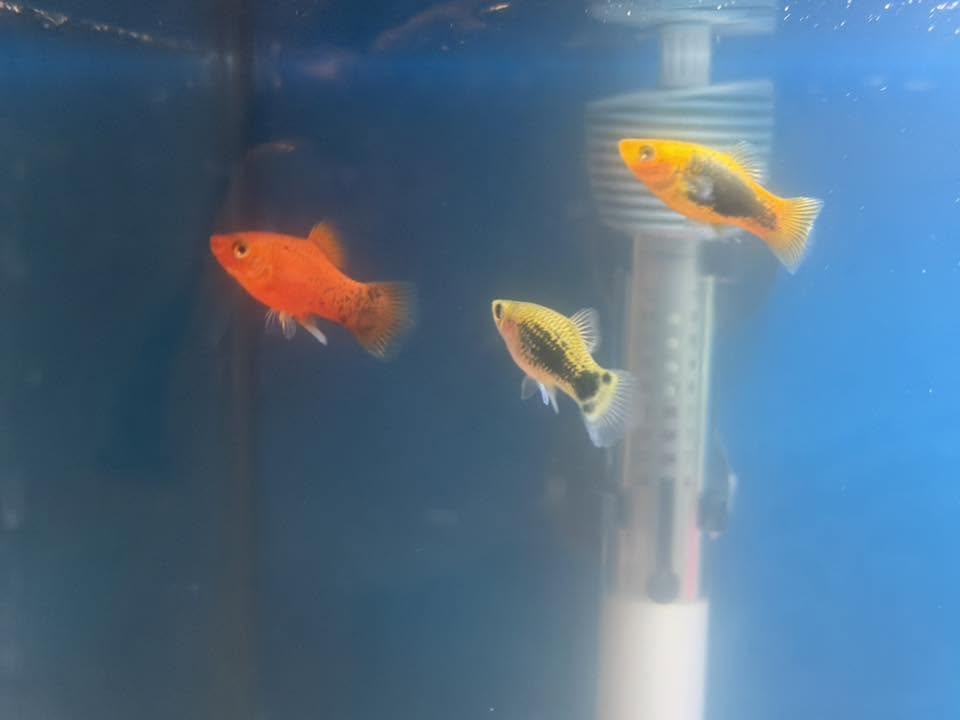
Importance of a heater in a platy tank
Constantly colder waters slow down the metabolism of platyfish, making them sluggish and sleepy. Heating your platyfish aquarium is key to keeping your platies lively and healthy.
You don’t need to worry about turning the heater on now and again. Most of them are a set-it-and-forget-it electronic device that needs no attention. Turn off the heater only when cleaning the tank or replacing an old setup with a new one.
A broken heater can make your water too warm or not heat your aquarium. So, I’d recommend that you always check that it is working properly and that your platies have the correct temperatures.
Here are some reasons your platy tank needs a heater:
To prevent fish illness
Sudden temperature drops, for example, adding cold water or heater malfunctions, can trigger various bacterial diseases and parasites on your platies. Heaters raise the water temperature and help your platies stay immune against existing parasites like Ich.
If you see your platies rubbing against gravel or decorations or having white spots, find them a heater.
Heat aids in metabolism
Fish metabolism is profoundly affected by environmental factors such as temperature. Low metabolism is linked to reduced activity in platyfish and sluggishness. Thus, reduced metabolism can lower your fish’s lifespan. A heater will help to raise your platies’ metabolism.
To help the fish live longer
Under optimal temperatures, platies can live up to four years. Freezing water increases the risk of death in tropical fish. It is also worth noting that female platies are more vulnerable to temperature fluctuations than male platies.
If the temperatures are very low, your aquarium will have a male-biased sex ratio. Additionally, your platies will not live longer.
Heating protects platies in freezing temperatures
A heater might not be a huge concern in stable summer temperatures, but I highly recommend getting a heater if you are a fish hobbyist in a chilly region with below-freezing temperatures. It can help stabilize the water temperature for your platies with less effort. Set your aquarium heater to turn on nine times per day during winter.
What temperature should platys be kept at?
Keep your platies at optimal temperatures of 72°F and 78°F. A heater is a significant component of temperature control for your platies. The number of times to heat your tank depends on the size of the tank and the room temperature.
The best aquarium heaters will raise your water temperatures by three to five watts per gallon.
Although heating the water occurs automatically, you should monitor the temperature levels. For instance, in the fall, when temperatures are cooling, turn down your aquarium heater one degree every day.
Sudden temperature changes can stress and sicken your platies. To keep away diseases and have happy platies, don’t leave your aquarium temperature below 68°F.
Consequently, if the room temperatures are abnormally high, stabilize it with a chiller. Optimal temperatures help the fish to feed more often, digest food quicker, and have more energy.
Nevertheless, avoid overheating your aquarium because the higher the temperatures, the lower the amount of dissolved oxygen in the water. Overheating could suffocate your platies.
Can platies breed with no heater?
Platies can breed without a heater in tropical conditions. Tropical fish like platies thrive in fresh warm water near the equator. It is vital to construct your aquarium for platies with tropical conditions in mind, especially the temperature factor. If you are living in non-tropical regions, your platies may not breed without a heater.
Indoor temperatures can also fluctuate in tropical regions. Use a glass thermometer to find the approximate room temperature of your home. If it falls below 68 degrees Fahrenheit overnight, a heater is necessary.
Similarly, you should warm the water for your platies during winter and chilly weather. In well-regulated temperatures, female platies should give birth every four weeks.
Platies are livebearers. Instead of laying eggs, they give birth to live fry. A pregnant platyfish is easy to identify. Look not at behavioral but physical changes. If there is a dark and swollen spot on their abdomen, they are pregnant.
To avoid unwanted breeding, keep one gender of platies and adjust tank temperatures to make breeding less comfortable.
How to determine the heater size
The right heater size for your aquarium will depend on the following three factors:
Water volume
Different tank sizes hold varied water volumes. Tanks with more water volumes require larger or even more than one heater to keep platies active. Five to ten-gallon tanks will need heaters that produce between 25 and 75 watts.
On the other hand, you can heat 40 to 50-gallon tanks with 200 to 600-watt heaters. The best aquarium heater heats about three and five watts per gallon of water. I prefer larger tanks as they also retain heat much better.
Average room temperature
Room temperature is vital for platies. Although your heater can be at 78 degrees Fahrenheit, it can increase to 90°F if your room temperature increases to 90°F. If the temperatures are too high, you will find your platies at the water’s surface, reaching out for oxygen. If your house is hot, get a smaller heater. If it’s freezing, go for a larger heater.
Desired optimal water temperature
Another factor to consider when determining heater size for your platies is their desired optimal water temperature. When they are in your home, platies are not only affected by the room temperature but also the water temperature. Knowing that they need a temperature between 72°F and 78°F helps stabilize the aquarium for your platies.
Even if you use a heater, avoid placing the fish tank near windows or on the floor. Sudden temperature variations caused by cold drafts or direct sunlight may cause problems for your platies.
Suggested For You:
How Many Platies in a 10 Gallon Tank?
Platy Fish Care for Beginners: Parameters, Diet, Problems and More
Why Is My Platy Fish Hiding? Causes, Solutions, and When to Worry
How Long Are Platies Pregnant? Everything to Know
Platy Fish Not Eating: Causes, Solutions, and When to Act
Can platys be kept in cold water?
You can keep platies in cold water tanks only if you can ensure consistent water chemistry and other parameters. The water should have a slightly alkaline pH range between 6.8 and 8.0. If the cold water is soft, add minerals like Wonder Shell or Seachem Equilibrium to harden it.
Since metabolism is slow in cold water, give your platies lots of open space in the tank. More freedom means the fish can swim and release energy for efficient metabolism.
Also, put plants such as Amazon Frogbit and Amazon sword plants in the tank. The plants will help remove build-ups of carbon dioxide in the cold water, which would otherwise harm your platies.
References
- Francis-Floyd, R., & Reed, P. (1991). Ichthyophthirius multifiliis (white spot) infections in fish. Florida Cooperative Extension Service, Institute of Food and Agricultural Sciences, University of Florida.
- Iowa State University. Managing Iowa Fisheries: Freshwater Aquarium Management). Fisheries Extension
- Walker, S. (2020). Aquarium Efficiency. The University of Minnesota.