Platy Fish Care for Beginners: Parameters, Diet, Problems and More
If you are setting up your first aquarium, platy fish are one of the best choices you can make. They are hardy, colorful, peaceful, and surprisingly forgiving of beginner mistakes.
This guide covers everything you need to know — from tank setup and water conditions to feeding, breeding, and health — so you can give your platys a long, healthy life right from the start.
Platy fish (Xiphophorus maculatus and Xiphophorus variatus) are freshwater fish native to Central America and southern Mexico. They belong to the family Poeciliidae, which also includes guppies, mollies, and swordtails. Today, they are bred in a wide range of color varieties — red, blue, sunset, rainbow, gold, and more — making them a favorite in the fishkeeping hobby.
Adult platies grow to about 1.5 to 2.5 inches (4–6 cm) in length. They live for roughly 2 to 3 years under proper care, though some reach 4 years in well-maintained tanks. They are livebearers, meaning they give birth to free-swimming fry rather than laying eggs.
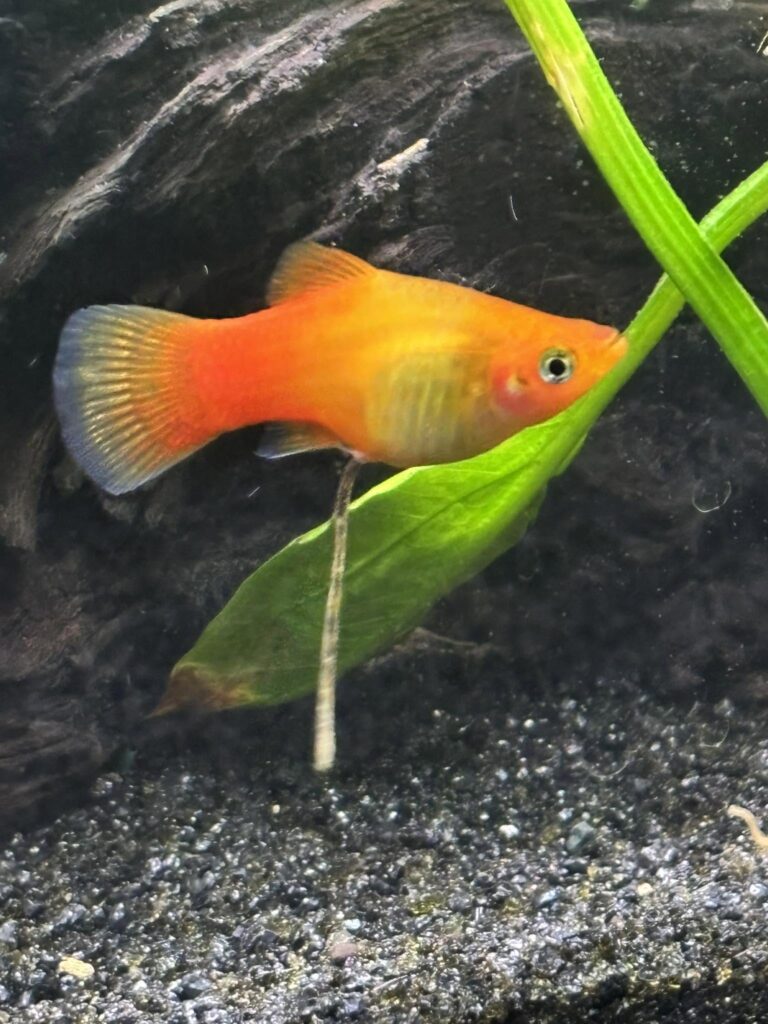
Quick-Reference Care Summary for Platies
- Tank size: 10 gallons minimum, 20 gallons recommended
- Temperature: 70–82°F (21–28°C)
- pH: 7.0–8.0
- Diet: Omnivore — flakes, pellets, vegetables, frozen foods
- Feeding frequency: Once or twice daily, small amounts
- Water changes: 25–30% weekly
- Temperament: Peaceful community fish
- Lifespan: 2–3 years
- Breeding: Livebearer, breeds readily
Setting Up the Right Tank
The first step in keeping healthy platy fish is setting up the right tank conditions.
Tank Size
For a small group of platys, a 10-gallon (38-liter) tank is the minimum. However, a 20-gallon (75-liter) tank is far more comfortable, especially if you plan to keep a mixed group or allow natural breeding.
More water volume means more stable water chemistry — and stability is one of the most important things in fishkeeping.
A general stocking rule for platys is 5 gallons per fish, though this depends on filtration quality and how well you maintain the tank.
Filtration and Aeration
A hang-on-back (HOB) filter or a sponge filter works well for platys. The goal is to cycle the tank before adding fish — this means establishing beneficial bacteria that convert toxic ammonia into nitrite and then into safer nitrate. This process, called the nitrogen cycle, typically takes 4 to 6 weeks.
Platys enjoy mild to moderate water flow. Avoid strong currents that push the fish around constantly, as this causes stress.
Substrate and Decor
Platys are not fussy about substrate. Gravel or sand both work fine. Add live or silk plants — java fern, hornwort, and amazon sword are excellent choices — because they provide hiding spots, reduce aggression, and help with water quality. Driftwood and smooth rocks also add visual interest and break line-of-sight between fish.
Water Parameters for Platy Fish
Getting water parameters right is arguably the most important part of platy care. Here is what to aim for:
| Parameter | Ideal Range |
| Temperature | 70–82°F (21–28°C) |
| pH | 7.0–8.0 |
| Hardness (GH) | 10–25 dGH |
| Ammonia | 0 ppm |
| Nitrite | 0 ppm |
| Nitrate | Below 20 ppm |
Platys prefer slightly hard, alkaline water — conditions that reflect their native Central American habitat. They are more tolerant of higher pH than many tropical fish, which makes them compatible with a wide range of tap water types.
Test the water weekly using a liquid test kit (not test strips, which are less accurate). Perform partial water changes of 25–30% every week to keep nitrates under control.
Temperature and Heating
Platys are tropical fish. They need a stable temperature between 70 and 82°F (21–28°C). A 50- or 100-watt submersible heater with an external thermometer is a reliable setup for most home aquariums.
Sudden temperature swings — even a few degrees over a short period — can stress the fish and weaken their immune systems. Try to keep the tank away from air conditioning vents, windows with direct sunlight, and cold drafts.
Feeding Platy Fish
Platys are omnivores with a good appetite. They accept a wide variety of foods, which makes feeding them very simple.
Primary diet: A high-quality flake food or micro-pellet serves as a solid daily base. Look for one with a balanced protein and plant content. Spirulina-enriched flakes are especially beneficial, as platys naturally graze on algae.
Supplemental foods: Offer variety two or three times a week with:
- Blanched zucchini, cucumber, or spinach (for plant matter)
- Frozen or live brine shrimp, daphnia, or bloodworms (for protein)
- Micro-worms or baby brine shrimp for fry
Feed small amounts once or twice a day — only what the fish can consume within two minutes. Overfeeding is one of the most common beginner mistakes. Uneaten food breaks down quickly and pollutes the water.
Tank Mates: Who Gets Along with Platys?
Platys are peaceful and do well in community tanks. Good tank mates include:
- Guppies — similar water requirements, equally peaceful
- Mollies — share Central American origins and water preferences
- Corydoras catfish — gentle bottom dwellers that clean up leftover food
- Neon tetras or ember tetras — small, non-aggressive schooling fish
- Dwarf gouramis — calm and colorful mid-level swimmers
- Otocinclus catfish — excellent algae eaters that do not compete with platys
Avoid aggressive or fin-nipping species like tiger barbs, large cichlids, or bettas (in most cases). Also avoid very large fish that may view platys as food.
It is worth keeping a ratio of at least two females for every male. Male platys can harass females relentlessly if the ratio is unbalanced, which causes stress and reproductive exhaustion in the females.
Platy Fish Breeding
One thing beginners are often surprised by — sometimes pleasantly, sometimes less so — is how readily platys breed. If you have both males and females in the same tank, breeding is almost certain.
Identifying Males and Females
This is easier than it looks. The male has a pointed anal fin called a gonopodium, which is used for internal fertilization. The female has a fan-shaped anal fin and a rounder, fuller belly.
The Breeding Process
Platys reach sexual maturity at around 4 months of age. After mating, females carry live fry internally for 24 to 30 days. A single female can store sperm and produce several batches of fry from a single mating — typically every 4 to 6 weeks.
A healthy female gives birth to 20 to 80 fry per batch. The fry are born fully formed and able to swim immediately.
Protecting the Fry
Adult platies, including the mother, may eat their own fry. If you want to raise the babies, you have a few options. You can use a densely planted tank so fry can hide. You can move the pregnant female to a separate breeding tank a few days before she gives birth. Or you can use a mesh breeding box inside the main tank.
Fry grow quickly on baby brine shrimp, crushed flake food, and commercial fry food. They can be introduced to the main tank once they are large enough not to fit in the mouths of adult fish — usually around 4 to 6 weeks of age.
Common Platy Fish Diseases
Platys are resilient, but they are not immune to disease. Knowing the most common conditions helps you act quickly.
Ich (White Spot Disease)
The most common freshwater fish disease. Look for small white spots on the body and fins, scratching against surfaces, and clamped fins. Treat with aquarium salt or a commercial ich medication and raise the temperature to 82°F (28°C) gradually to speed up the parasite’s life cycle.
Fin Rot
Fraying, discolored, or deteriorating fins caused by bacteria. It usually follows stress or poor water quality. Clean the water and treat with antibacterial medication.
Velvet Disease
A fine, gold or rust-colored dust on the skin. Fish may scratch or look lethargic. Dim the tank lights and treat with copper-based medications.
Swim Bladder Disorder
Fish struggle to maintain balance or float oddly. This can result from overfeeding, constipation, or infection. Fast the fish for two days, then offer a shelled, cooked pea to help clear the digestive system.
The best prevention is always stable, clean water and a low-stress environment. Most diseases appear when water quality declines.
Suggested For You:
How Many Platies in a 10 Gallon Tank?
Why Is My Platy Fish Hiding? Causes, Solutions, and When to Worry
How Long Are Platies Pregnant? Everything to Know
Platy Fish Not Eating: Causes, Solutions, and When to Act
Male vs Female Platy Fish: How to Tell the Difference and Why It Matters
Platy Fish Lifespan and Long-Term Care
With proper care, platys live 2 to 3 years on average. Some hobbyists report 4-year-old platys in particularly well-kept tanks. The keys to a long life are consistent water quality, a varied diet, minimal stress, and prompt attention to any health changes.
Do not overcrowd the tank. Watch for behavioral changes — a fish hiding more than usual, refusing food, or swimming erratically is often the first sign something is wrong. The earlier you notice and address an issue, the better the outcome.
Platy fish are a wonderful entry point into the hobby. They are forgiving enough for beginners yet interesting enough to hold your attention as you grow. Start with a properly cycled tank, keep the water clean, feed a varied diet, and you will find that caring for platys is one of the most rewarding parts of the aquarium hobby.
Frequently Asked Questions (FAQs)
1. How many platy fish can I keep in a 10-gallon tank?
A 10-gallon tank can comfortably hold 4 to 5 platys, following the general rule of 5 gallons per fish. Keep the group small if you have limited filtration, and always maintain a 2:1 female-to-male ratio to reduce stress on females.
2. Do platy fish need a heater?
Yes, in most home environments they do. Platys are tropical fish that need a stable temperature between 70 and 82°F (21–28°C). If your room consistently stays within that range, a heater may not be strictly necessary — but having one removes the risk of harmful temperature drops, especially at night or during colder months.
3. How do I know when a female platy is pregnant?
A pregnant female develops a noticeably rounder, fuller belly as she progresses through the 24-to-30-day gestation period. You may also notice a dark triangular spot near her anal fin, known as the gravid spot, which darkens as the birth date approaches.
4. Can platy fish live with betta fish?
It depends on the individual betta. Some bettas are tolerant of tank mates, while others are highly aggressive. If you attempt the pairing, use a tank of at least 20 gallons with plenty of plants and hiding spots, and monitor closely for signs of fin nipping or chasing. Many hobbyists avoid the combination altogether to be safe.
5. Why is my platy fish hiding and not eating?
Hiding and loss of appetite are early warning signs that something is wrong. Common causes include poor water quality, sudden temperature changes, disease, or stress from aggressive tank mates. Start by testing your water parameters and checking for visible symptoms like spots, fin damage, or unusual coloring.
6. How often do platy fish give birth?
A female platy typically gives birth every 4 to 6 weeks once sexually active. Because females can store sperm from a single mating, they can produce multiple batches of fry without mating again — sometimes for several months.
7. What do I feed baby platy fish (fry)?
Platy fry are small but eat enthusiastically. Feed them baby brine shrimp, micro-worms, or finely crushed flake food several times a day in tiny amounts. Purpose-made fry food is also a convenient option. Clean up uneaten food promptly, as fry are more vulnerable to water quality issues than adult fish.
References
- Fishkeeping World — Platy Fish: Care, Types, Feeding, Lifespan and More. https://www.fishkeepingworld.com/platy-fish/
- University of Florida IFAS Extension — Ornamental Fish Health and Disease Management. https://edis.ifas.ufl.edu/topic_ornamental_fish
- Aquatic Community — Xiphophorus maculatus (Common Platy). https://www.aquaticcommunity.com/poecilia/platy.php
- The Spruce Pets — Platy Fish Species Profile. https://www.thesprucepets.com/platy-fish-1381071
- PubMed — Water Quality and Fish Health in Recirculating Aquaculture Systems.https://pubmed.ncbi.nlm.nih.gov/