25 Cold Hardy Chicken Breeds (Identification, With Pictures)
Winter is the real test for any backyard flock. Frozen water, icy wind and short days can turn a small problem into a lost bird. I learned early that breed choice matters more than any heater or gadget.
This guide covers 25 cold hardy chicken breeds, explaining size, egg output, temperament and winter performance.
What Makes a Chicken Breed Cold Hardy?
Cold hardiness comes from a few simple traits. Heavy bodies hold heat longer. Dense feathers trap warm air. Small combs and wattles lose less heat and are less likely to freeze.
Extension experts agree on this point. Heavier breeds such as Plymouth Rock, Wyandotte, Ameraucana and Orpington over-winter well, while smaller breeds with less feathering or large combs may need extra care.
Comb type is a key detail. Rose, pea and cushion combs sit close to the head. They resist frostbite far better than tall single combs.
Moisture is the other big factor. Ohio State Extension notes that most chickens tolerate even sub-freezing temperatures. Trouble starts when wind and dampness arrive with the cold. A dry, draft-free coop is essential.
ALSO READ: 15 Breeds of Chicken With Feathers on Feet: (With Pictures, and Care Tips)
Key Facts to Know Before You Choose
A chicken’s normal body temperature is about 106°F, according to University of Minnesota Extension. Cold stress begins when a bird loses more heat than it makes.
Feed intake rises in winter, too. Flocks may eat up to 25 percent more in cold weather. Plan your feed budget with that in mind.
Other practical numbers from extension sources:
- Roost space: at least 6 to 8 inches per bird.
- Bedding depth: 6 to 12 inches of dry litter for insulation.
- Laying hen feed: roughly 2 pounds per hen each week.
The 25 Best Cold Hardy Chicken Breeds
Egg numbers below are typical yearly averages. Real results vary with feed, lighting, age and strain.
1. Plymouth Rock (Barred Rock)
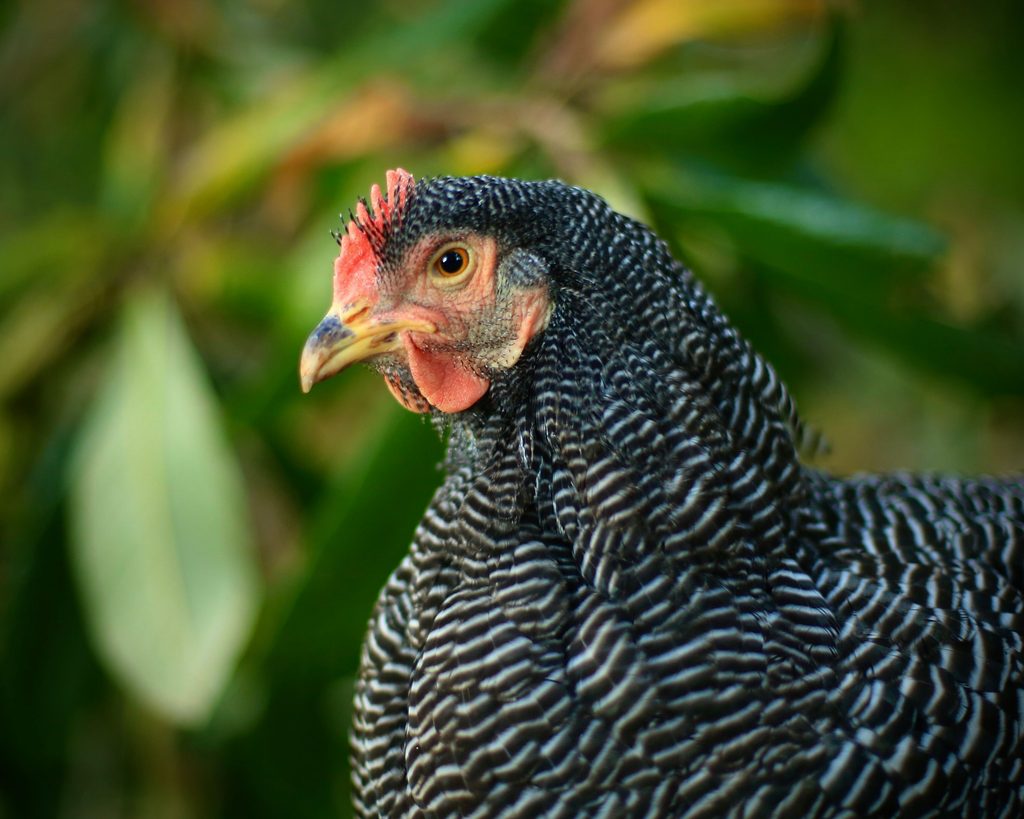
The Plymouth Rock is a classic American dual-purpose breed. Hens weigh about 7.5 pounds, and roosters about 9.5. That solid frame holds heat well in winter.
Hens lay roughly 200 brown eggs a year. They are calm and friendly. I often recommend them to first-time keepers.
The single comb is medium-sized. Rub petroleum jelly on it during hard freezes. Extension sources list this breed among the best winter performers.
2. Rhode Island Red
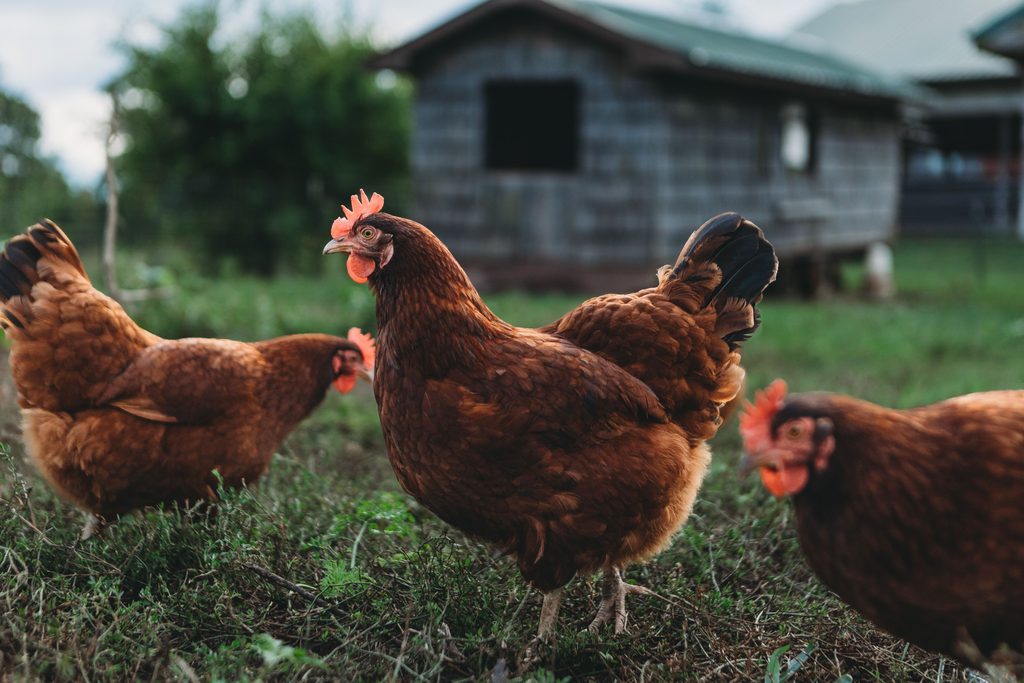
This breed is famous for toughness. Hens often lay 200 to 300 brown eggs a year, and many keep going into winter. University of Georgia Extension calls them one of the best brown egg producers.
They are active foragers with strong immune systems. Hens weigh about 6.5 pounds.
Roosters can be pushy, so watch them around children. Pick the rose-comb variety if your winters are very harsh.
3. Buff Orpington
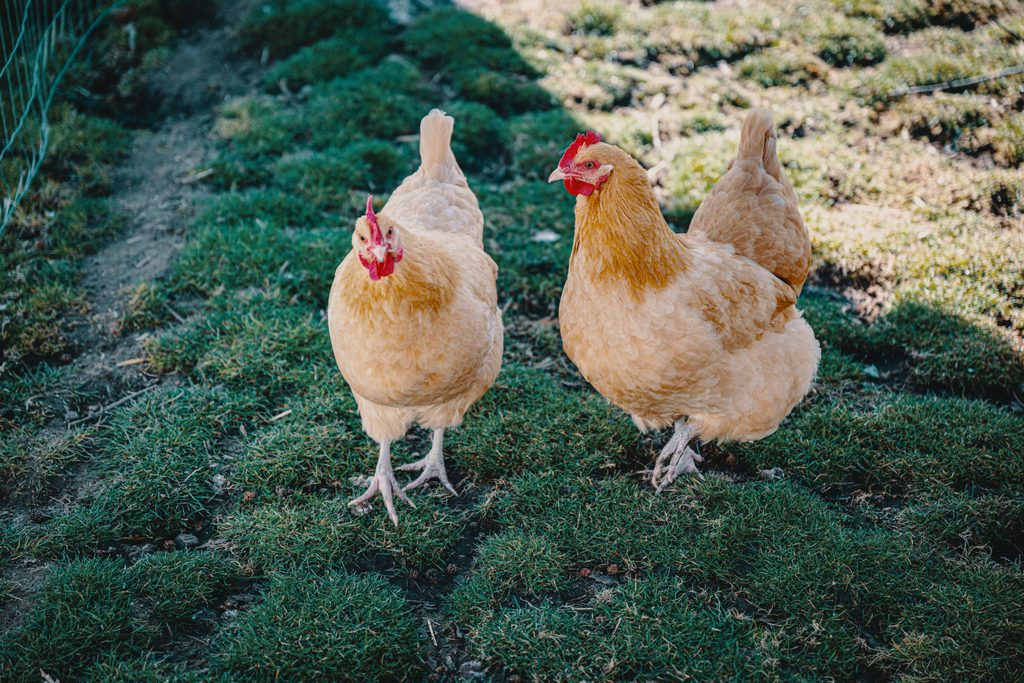
The Orpington looks like a fluffy golden cloud. Its thick, loose feathers trap a great deal of warm air. Hens weigh around 8 pounds.
Expect about 200 light brown eggs a year. They are gentle, quiet and often go broody. That makes them good mothers.
Their size means they eat more in winter. Give them extra feeder space so lower-ranking hens still get a share.
4. Wyandotte
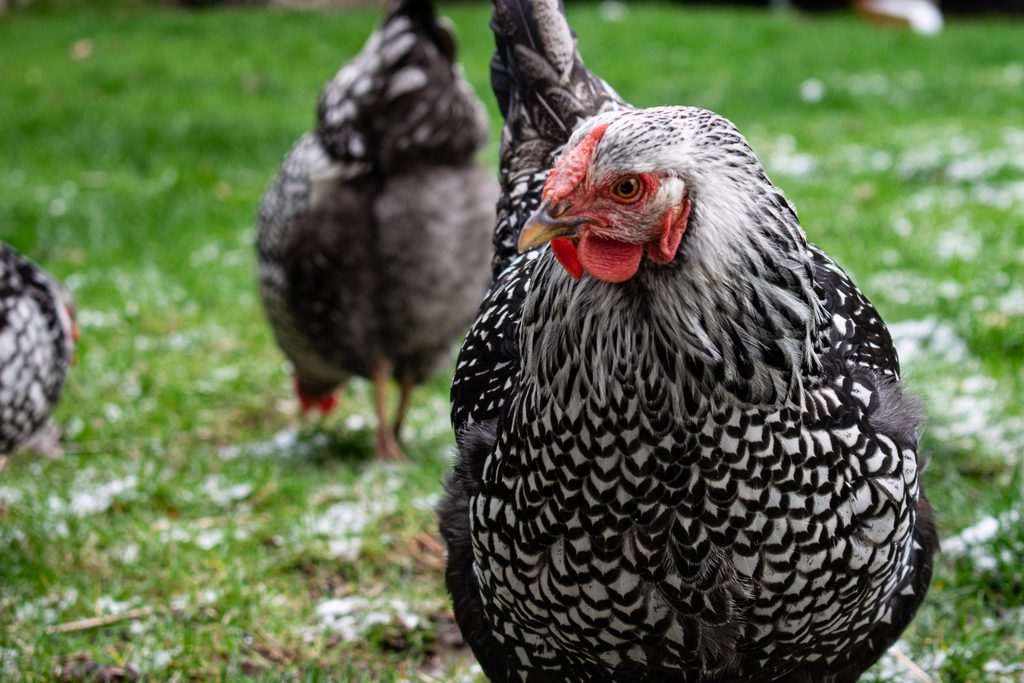
Wyandottes are one of my favorite winter birds. Their rose comb lies flat, which almost removes the risk of frostbite. The feathers are full and rounded.
Hens weigh about 6.5 pounds and lay around 200 brown eggs a year. Silver-laced and golden-laced varieties are especially pretty.
They can be bossy toward other breeds. Still, their toughness in snow and wind makes them hard to beat.
5. Australorp
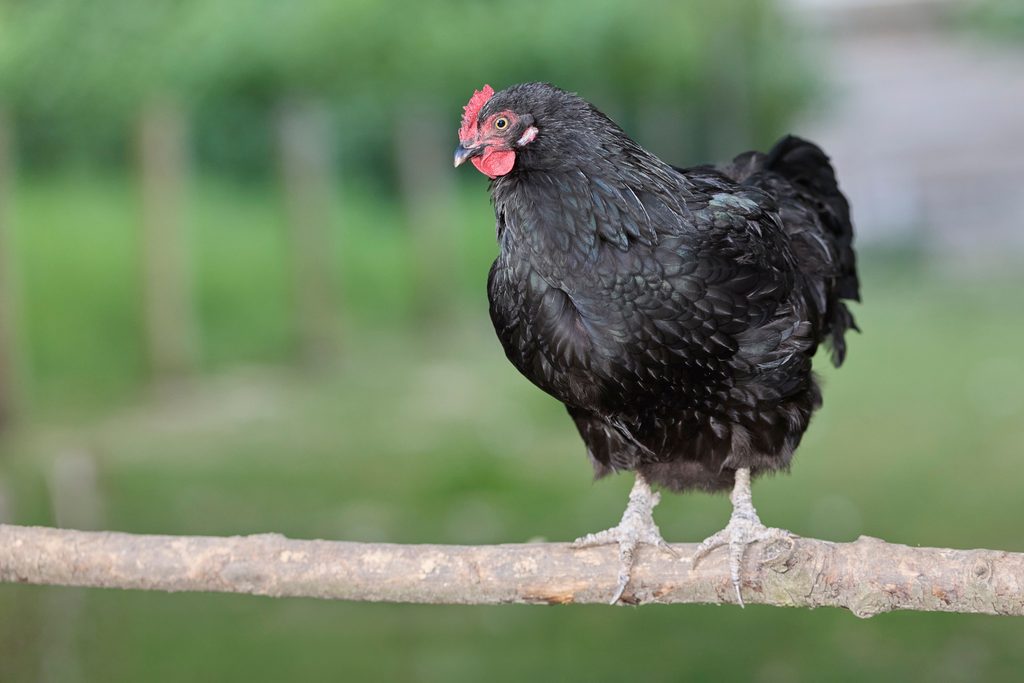
The Australorp came from Australia. It was bred from Black Orpingtons for heavy laying. One hen is credited with 364 eggs in 365 days during an early 1920s trial.
Typical hens still lay around 250 light brown eggs a year. They weigh about 6.5 pounds and are calm and easy to handle.
Their dense black feathers hold heat well. The single comb needs a little care in deep freezes.
6. Brahma
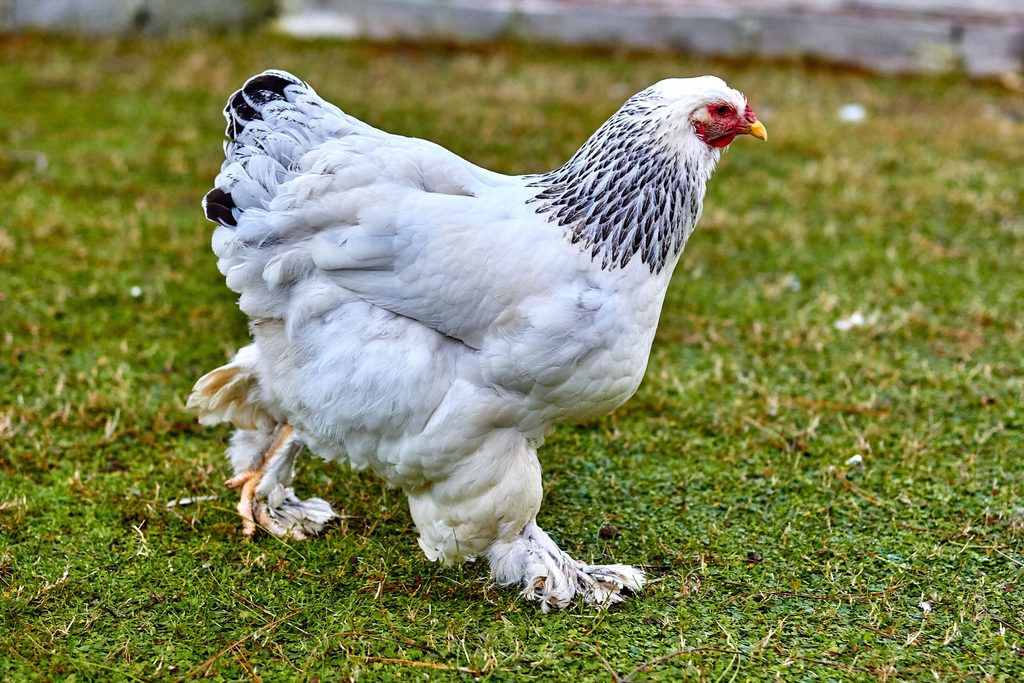
Brahmas are giants. Hens reach about 9.5 pounds, and roosters about 12. Their pea comb is small and low. Their legs and feet are covered in feathers.
Those features make them excellent in snow. Many keepers call them the best cold-weather breed of all.
Egg output is modest, at about 150 brown eggs a year. But they often lay when other breeds stop. They are also very gentle.
ALSO READ: 15 Types of Chicken With a Fluffy Head (With Pictures, and Care Tips)
7. Cochin
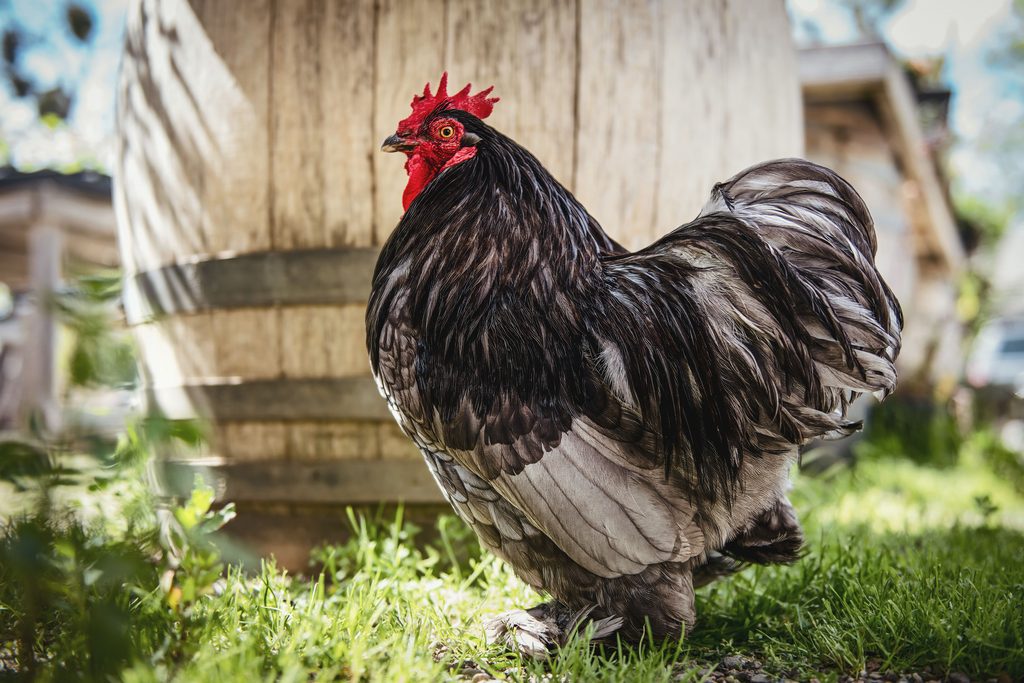
Cochins look like round balls of feathers. Their thick plumage covers the legs and feet completely. Hens weigh about 8.5 pounds.
They lay only 100 to 110 eggs a year. In return, they are calm, friendly and very broody. Many people use them to hatch eggs from other breeds.
Keep their feathered feet dry. Wet, muddy feathers can freeze and cause problems.
8. Sussex
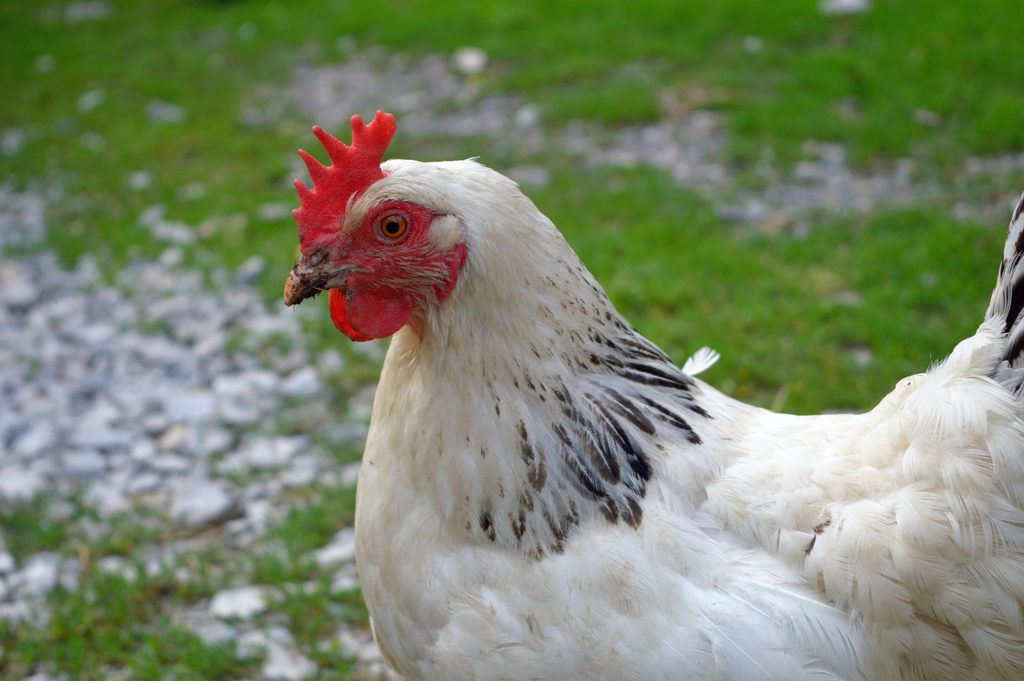
The Sussex is an old English breed with a friendly, curious nature. Hens weigh about 7 pounds. They are strong winter layers, producing around 250 eggs a year.
The Speckled Sussex is the most popular variety. Its mottled feathers are beautiful and quite dense.
They tolerate both cold and heat. That makes them a flexible choice if your climate swings between seasons.
9. Dominique
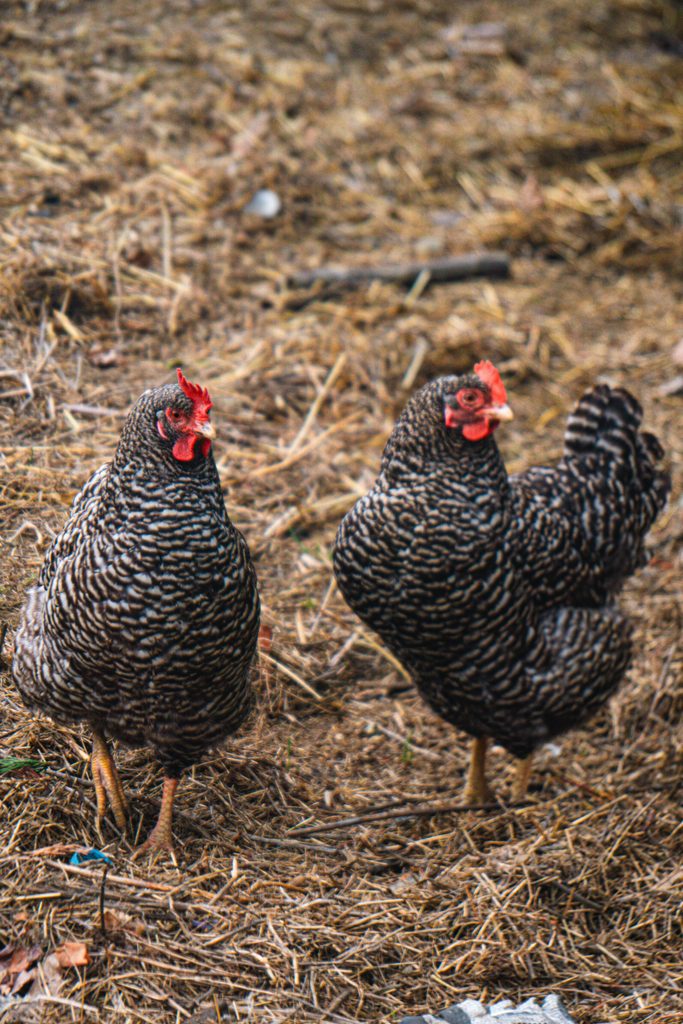
The Dominique is America’s oldest chicken breed. It looks like a Barred Rock, but it is smaller and has a rose comb. Hens weigh about 5 pounds.
They lay around 200 small to medium brown eggs yearly. Their tight feathers and flat comb suit snowy regions very well.
They are also excellent foragers. I like them for keepers who want low-cost, low-fuss birds.
10. Chantecler
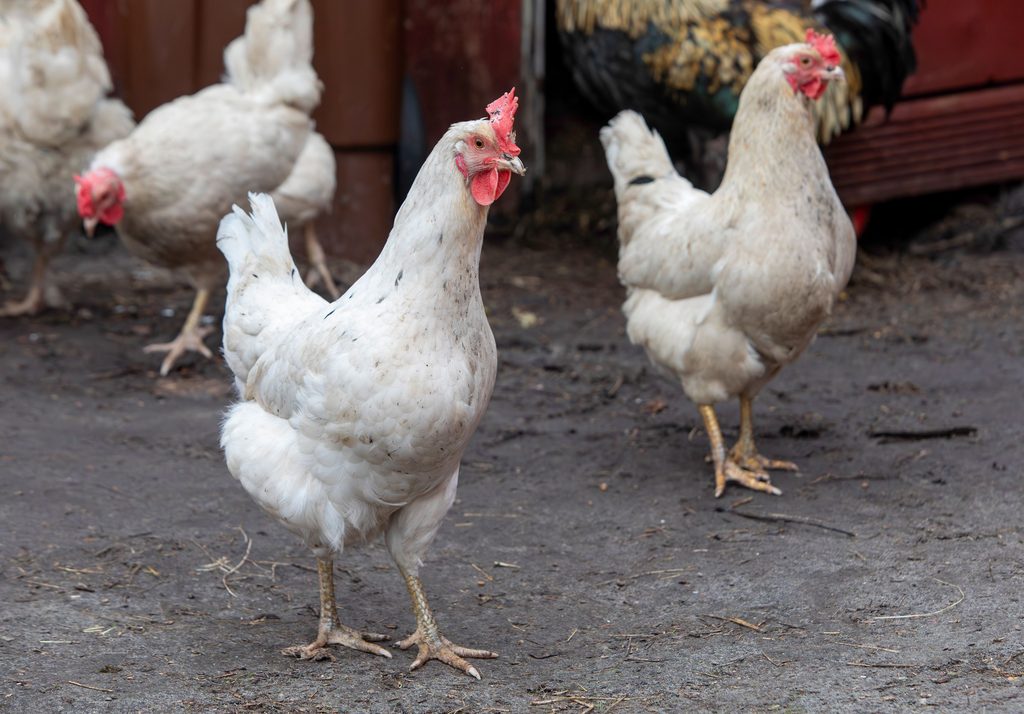
The Chantecler was developed in Quebec, Canada, specifically for cold winters. It has a cushion comb and tiny wattles. Together, they give almost no room for frostbite.
Hens weigh around 6.5 pounds and lay about 200 brown eggs a year. They are calm, though they can be a bit shy.
This breed is rare. Check the Livestock Conservancy’s lists or local breeders if you want to help preserve it.
11. Buckeye
The Buckeye comes from Ohio, and it was created by a woman, Nettie Metcalf, in the 1890s. It has a small pea comb and a deep chestnut-red body.
Hens weigh about 6.5 pounds. They lay around 150 to 200 brown eggs a year. They are known as excellent mousers and hunters.
Buckeyes handle freezing weather with ease. They are active, friendly and love to forage.
ALSO READ: 25 Chicken Breeds That Lay Colored Eggs (Identification, With Pictures)
12. Java
The Java is one of the oldest American breeds. Despite its name, it was developed in the United States. Hens weigh about 6.5 pounds.
Expect around 150 to 200 brown eggs a year. Javas are calm, hardy and slow to mature, but they live a long time.
They do well on pasture even in cool weather. Black and mottled varieties are the most common.
13. Jersey Giant
This is the largest purebred chicken in the world. Hens reach about 10 pounds, and roosters up to 13. The size alone gives excellent insulation.
They lay around 150 to 200 large brown eggs a year. They are gentle despite their bulk.
They grow slowly, so patience is needed. Give them sturdy, wide roosts to protect their heavy legs and feet.
14. Delaware
The Delaware was developed in the 1940s, mainly for meat. It later became a respected dual-purpose bird. Hens weigh about 6.5 pounds.
They lay about 200 brown eggs a year. They are calm and mature faster than many heavy breeds.
Their white feathers with black barring are dense and neat. The single comb is medium-sized, so protect it in hard frost.
15. New Hampshire Red
The New Hampshire Red was selected from Rhode Island Reds for faster growth and early laying. Hens weigh about 6.5 pounds.
They lay roughly 200 to 220 brown eggs a year. They are active and hardy.
Roosters can be assertive. Their lighter red-gold coloring and fast feathering make them a practical choice for cold regions.
16. Faverolles
This French breed is known for its beard, muffs and feathered feet. That fluffy face is more than a cute feature. It keeps the head warm.
Hens weigh around 6.5 pounds and lay about 150 to 200 light-tan eggs a year. They are sweet-natured and quiet.
They are low in the pecking order. Keep them away from bossy breeds, and watch their feet in mud.
17. Marans
Marans are best known for their deep chocolate-brown eggs. They come from western France and tolerate cold and damp better than most.
Hens weigh about 6.5 pounds and lay around 150 to 200 eggs a year. Many strains have lightly feathered legs.
Their tight feathers shed rain well. That helps in cold, wet winters, where moisture is often the real danger.
18. Ameraucana
The Ameraucana lays beautiful blue eggs. It has a pea comb, plus a beard and muffs. University of Minnesota Extension names it among the heavier breeds that over-winter well.
Hens weigh about 5.5 pounds and lay around 200 eggs a year. They are lively and alert.
Do not confuse them with generic “Easter Eggers.” True Ameraucanas follow a breed standard, and their cold tolerance is better documented.
19. Russian Orloff
The Orloff is a rare breed from Russia. It has a walnut comb, a thick beard and heavy feathering. These traits are all suited to freezing climates.
Hens weigh around 6 pounds. They lay about 150 light brown eggs a year, and they keep laying in cold months.
This bird is calm and sturdy. Finding one can take effort, but the breed rewards the search.
ALSO READ: 15 Breeds of Chicken With No Feathers on the Neck (With Pictures, and Care Tips)
20. Icelandic
The Icelandic chicken is a landrace breed brought by early settlers. It has survived harsh northern winters for centuries. That history shows in its toughness.
Hens lay roughly 150 to 200 eggs a year, and they come in many colors. They are active, independent foragers.
They fly well and can be a bit wild. Good fencing is wise. In return, you get a resilient, low-maintenance bird.
21. Barnevelder
The Barnevelder is a Dutch breed with striking double-laced feathers. Hens weigh about 6.5 pounds and lay around 175 to 200 dark brown eggs.
They handle cold and damp conditions well. They are quiet, friendly and settle easily into small yards.
Their eggs sometimes lighten as the season goes on. Winter laying is fair, though not as strong as some breeds above.
22. Welsummer
Welsummers are Dutch birds famous for terracotta eggs with dark speckles. Hens weigh about 6 pounds and lay about 160 to 200 eggs a year.
They are hardy, active and good foragers. They tolerate cold well and stay healthy in damp climates.
They can be a little flighty. Still, they are a rewarding choice if you like colorful eggs and independent birds.
23. Dorking
The Dorking is one of Britain’s oldest breeds. It has a stocky body, short legs and a fifth toe. Hens weigh about 6 pounds.
They lay around 150 to 200 white or tinted eggs a year. They are calm and quiet, with good winter hardiness.
Choose rose-comb Dorkings for the coldest areas. Their compact bodies hold heat well.
24. Silkie
Silkies are tiny, fluffy and surprisingly tough. Their silky plumage insulates well, and the walnut comb is small. Hens weigh only about 2 pounds.
They lay roughly 100 to 120 small cream eggs a year. They are famously broody and gentle.
Their fluffy feathers do not repel water well. Keep them dry above all else, and they will manage cold nicely.
25. Sex Link (Black Star and Red Star)
Sex links are hybrids, not true breeds. They are bred for high egg output, often 250 to 300 brown eggs a year. Many keepers say they keep laying deep into winter.
They mature fast and are usually friendly. Hens weigh around 5 to 6 pounds.
They do not breed true, so you must buy new chicks each time. Even so, they are a very practical choice for steady winter eggs.
Quick Picks by Goal
| Goal | Best Breeds |
| Lowest frostbite risk | Wyandotte, Chantecler, Dominique, Brahma |
| Best winter egg layers | Australorp, Sussex, Rhode Island Red, Sex Link |
| Calmest for families | Cochin, Orpington, Brahma, Plymouth Rock |
| Colorful eggs | Ameraucana, Marans, Welsummer |
| Extreme cold | Brahma, Orloff, Chantecler, Icelandic |
How to Help Any Breed Survive Winter
Even the toughest chicken needs good housing. Ventilation matters as much as warmth. Ohio State Extension says cold-tolerant breeds in a dry, insulated coop with enough airflow usually need no added heat.
University of Illinois Extension adds that you should never see air moving the birds’ feathers in the coop. Seal drafts, but leave high vents open to release moisture.
Other simple steps help a lot:
- Keep water from freezing, and check it often.
- Give extra feed or scratch grains in the evening.
- Add deep, dry bedding.
- Use wooden roosts, because metal and plastic hold cold.
- Keep new birds separate for 30 days to protect your flock from disease.
Biosecurity matters in winter, too. USDA’s Defend the Flock program offers free checklists for backyard owners.
Frequently Asked Questions
What is the most cold hardy chicken breed?
Brahmas are often named the top choice. Their pea comb, feathered feet and large size protect them well in snow. Chanteclers and Orloffs are also excellent.
Do chickens need heat in winter?
Usually not. Cold-tolerant breeds in a dry, ventilated, insulated coop do not normally need supplemental heat, according to Ohio State Extension.
Which cold hardy chickens lay the most eggs?
Australorps, Sussex, Rhode Island Reds and sex links are strong layers. Hens lay fewer eggs in short winter days, so some keepers add gentle coop lighting.
How can I prevent frostbite?
Choose small-comb breeds, keep the coop dry, and clear snow from the run. A thin layer of petroleum jelly on combs and wattles also helps during hard freezes.
Final Thoughts
The right breed makes winter far easier. Pick heavy, well-feathered birds with low combs. Pair them with a dry, draft-free coop, and most flocks will thrive.
My advice is simple. Start with two or three breeds that match your climate and goals. Watch how they behave, then expand your flock with confidence.
References
- University of Minnesota Extension. “Caring for chickens in cold weather.” https://extension.umn.edu/small-scale-poultry/caring-chickens-cold-weather
- University of Minnesota Extension. “Raising chickens for eggs.” https://extension.umn.edu/poultry/raising-chickens-eggs
- Ohio State University Extension (Ohioline). “Winter and Your Backyard Chickens.” https://ohioline.osu.edu/factsheet/anr-66
- University of Illinois Extension. “How to care for backyard chickens in winter.” https://extension.illinois.edu/blogs/know-how-know-more/2020-12-12-how-care-backyard-chickens-winter
- University of Georgia Cooperative Extension. “Which Breed of Chicken Should I Put in My Backyard Flock?” https://poultry.caes.uga.edu:443/content/dam/caes-subsite/poultry/documents/archived-poultry-tips/which-breed-of-chicken-should-i-put-backyard-flock-jan-09.pdf
- University of Kentucky Cooperative Extension, Powell County. Winter chicken care newsletter, December 2023. https://powell.ca.uky.edu/sites/powell.ca.uky.edu/files/December.2023.pdf
- U.S. Department of Agriculture (USDA/APHIS). “Defend the Flock” biosecurity campaign. https://www.usda.gov/node/27626