25 Best Birds to Have as Pets (Species Identification, With Pictures)
I have spent years around feathered companions, and I can tell you this much: no two birds are alike. Some whistle. Some scream. Some barely make a sound at all.
Choosing the right pet bird is not just about looks. It is about matching a species’ personality, lifespan, and noise level to your own lifestyle.
Quick answer: The best pet birds for most households are budgerigars, cockatiels, and canaries, since they are quiet, affordable, and easy to handle. If you want a talking companion with decades of loyalty, African grey parrots and Amazon parrots top the list, but they demand serious commitment.
Bird ownership has grown fast in recent years. Six million U.S. households now own a bird, and now represents 22 percent of all bird owners, a 22 percent jump from 2023. Clearly, more people are discovering what bird lovers have known for generations.
Below, I break down 25 of the best pet birds, organized from the easiest starter species to the most demanding large parrots.
Small and Beginner-Friendly Birds
These birds suit apartments, first-time owners, and quieter households. They are generally budget-friendly and forgiving of small mistakes.
1. Budgerigar (Budgie)

Budgies are, without doubt, the most popular pet bird in the world. Among U.S. bird owners, parakeets remain the most popular type of bird.
They are small, cheerful, and surprisingly good talkers for their size. A healthy budgie typically lives 7 to 15 years.
Best for: first-time owners, kids under supervision, small apartments.
2. Cockatiel
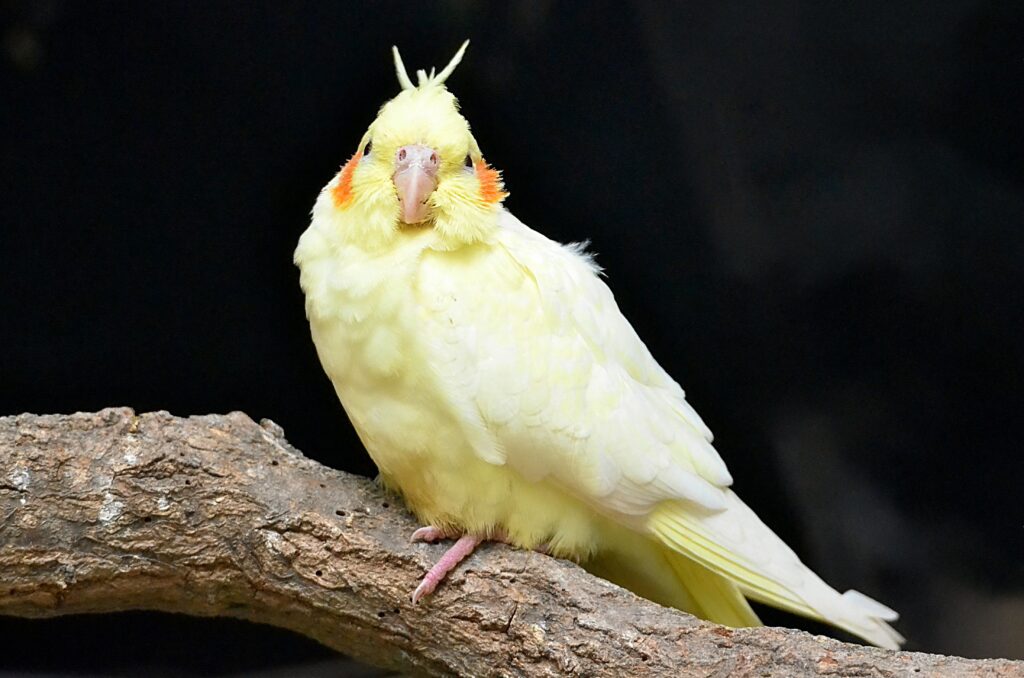
Cockatiels whistle tunes, bond deeply with their owners, and rarely bite hard. I find their crest expressions almost human in how much emotion they convey.
They live 15 to 25 years with good care. Cockatiel ownership is rebounding among U.S. bird owners, which says something about their enduring appeal.
Best for: families, singles who want an affectionate companion.
3. Canary
Canaries do not cuddle, but their song makes up for it. Male canaries sing beautifully, especially in the morning.
They live 10 to 15 years and need only a single cage, not a companion. This makes them ideal for people who want birdsong without daily handling.
Best for: people who love sound, not touch.
4. Zebra Finch
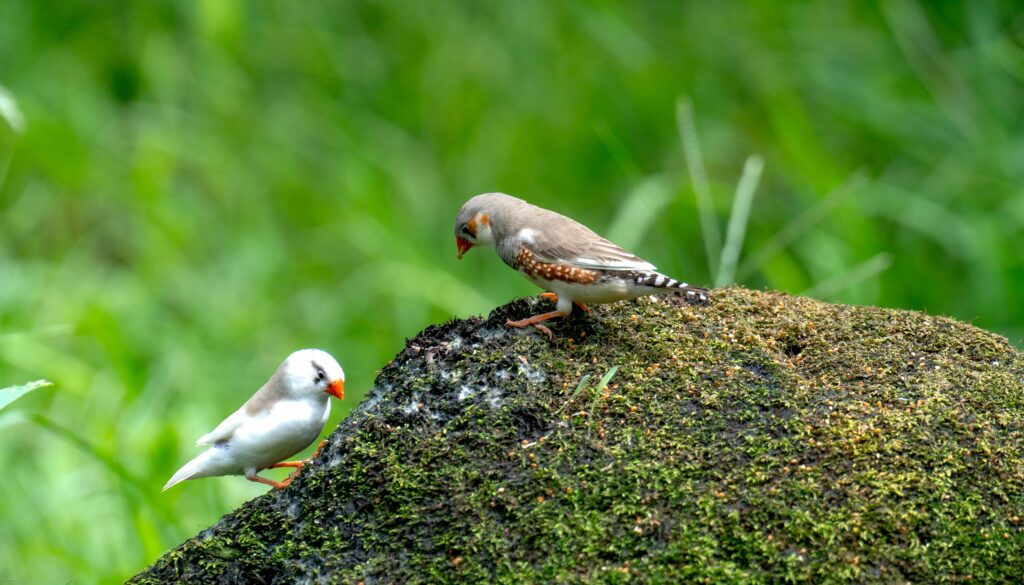
Zebra finches are tiny, active, and best kept in pairs or small flocks. Watching them hop and chatter is oddly relaxing after a long day.
They live 5 to 10 years and rarely bond with humans the way parrots do. They are strictly look-and-listen pets.
Best for: hands-off bird lovers, busy households.
ALSO READ: 25 Birds With Colorful Beaks (Identification, With Pictures)
5. Society Finch
Society finches are gentle, social, and famously easy to breed. They get along with other finch species inside a shared aviary.
Their lifespan runs 5 to 9 years. I consider them one of the calmest starter birds available.
Best for: beginners wanting a low-maintenance flock.
6. Gouldian Finch
Gouldian finches are strikingly colorful, almost too vivid to look real. Their rainbow plumage makes them a favorite among finch collectors.
They live around 6 to 8 years and need warmth, since they are sensitive to cold drafts. They also stay quiet, making them apartment-friendly.
Best for: hobbyists who want visual beauty over interaction.
7. Diamond Dove
Diamond doves are peaceful, soft-cooing birds that rarely bite or scream. Their gentle nature makes them a good match for calm households.
They live 10 to 15 years and prefer a spacious flight cage. I have always found doves underrated compared to parrots.
Best for: quiet homes, seniors, sensory-friendly environments.
8. Ringneck Dove
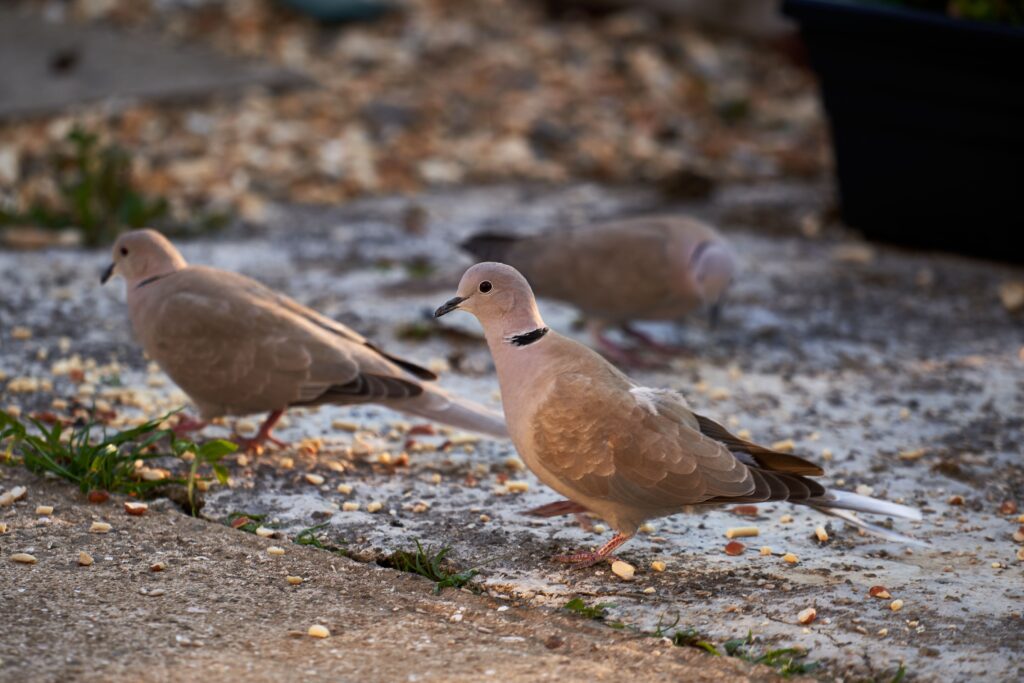
Ringneck doves are slightly larger than diamond doves and equally docile. They can even be trained to return to a cage after supervised flight time.
Their lifespan reaches 12 to 20 years. They tolerate handling better than most finches.
Best for: gentle handling, families with older children.
9. Pacific Parrotlet
Do not let the size fool you. Parrotlets pack a bold, parrot-like personality into a tiny body barely 5 inches long.
They live 15 to 20 years and can learn a modest vocabulary. They do need daily interaction to stay tame.
Best for: apartment dwellers wanting real parrot behavior in a small package.
ALSO READ: 30 Stunning Birds With Long Beaks (Species Identification, With Pictures)
10. Peach-Faced Lovebird
Lovebirds are affectionate, playful, and a little feisty. Their name comes from how tightly bonded pairs sit together, though a single lovebird bonds just as strongly to its owner.
They live 10 to 15 years and can be nippy if under-socialized. Daily attention keeps them sweet-natured.
Best for: owners who want a compact, energetic companion.
Mid-Sized Parrots for Growing Bird Lovers
These birds ask for more time, training, and mental stimulation. In return, they offer stronger bonds and, often, real speech.
11. Indian Ringneck Parakeet
Ringnecks are known for exceptionally clear speech, sometimes clearer than larger parrots. They go through an “adolescent” biting phase around six months to two years old.
They live 25 to 30 years, so this is a long-term relationship. Patience during training pays off richly.
Best for: owners wanting a strong talker willing to work through a training phase.
12. Quaker Parrot (Monk Parakeet)
Quakers are clever, chatty, and full of personality. They are also one of the few parrot species that build their own communal nests in the wild.
Their lifespan runs 20 to 30 years. Note that some U.S. states restrict Quaker ownership, so check local law first.
Best for: experienced beginners ready for a talkative, intelligent bird.
ALSO READ: 25 Birds That Sing at Night (Species Names, With Pictures)
13. Green-Cheeked Conure
Green-cheeked conures are quieter than most conures, which makes them popular with apartment residents. They are cuddly, curious, and love shoulder rides.
They live 20 to 30 years. Their bite, while sharp, is far gentler than a larger parrot’s.
Best for: condo living, first-time conure owners.
14. Sun Conure

Sun conures are dazzling, with plumage that looks painted in sunset colors. Their personality is just as bright, though their voice is famously loud.
They live 20 to 30 years and need daily out-of-cage time. I always warn new owners about the noise before they commit.
Best for: owners without close neighbors, extroverted personalities.
15. Senegal Parrot
Senegal parrots are quieter than most African parrots and deeply loyal once bonded. They tend to attach strongly to one favorite person.
Their lifespan reaches 25 to 30 years. They are a smart middle-ground choice between small parrots and full-sized African greys.
Best for: owners wanting African parrot intelligence without the size or volume.
16. Meyer’s Parrot
Meyer’s parrots are calm, quiet, and often described as the “easy” African parrot. They rarely scream and adapt well to routine.
They live 25 to 30 years. Their laid-back nature suits owners who prefer predictability.
Best for: first-time African parrot owners.
ALSO READ: 55 Different Types of Duck Species (With Pictures, and Info)
17. Caique
Caiques are the clowns of the parrot world, known for hopping, rolling, and playing with obvious joy. They are intensely energetic and need daily exercise.
Their lifespan runs 25 to 30 years. Bite pressure can be strong, so early training matters.
Best for: active owners who enjoy playful, high-energy birds.
18. Pionus Parrot
Pionus parrots are gentle, soft-spoken, and rarely aggressive. Many owners describe them as the calmest medium parrot available.
They live 25 to 40 years. Their quiet demeanor makes them ideal for shared living spaces.
Best for: owners in apartments or shared housing.
19. Eclectus Parrot
Eclectus parrots are visually striking, with males bright green and females red and purple. Their calm, gentle temperament often surprises new owners.
They live 30 to 50 years and need a diet higher in fresh produce than most parrots. This is worth researching before adoption.
Best for: owners seeking a strikingly beautiful, even-tempered companion.
Large Parrots for Experienced, Dedicated Owners
These birds are brilliant, long-lived, and demanding. They are not casual pets, but rather decades-long commitments.
20. African Grey Parrot
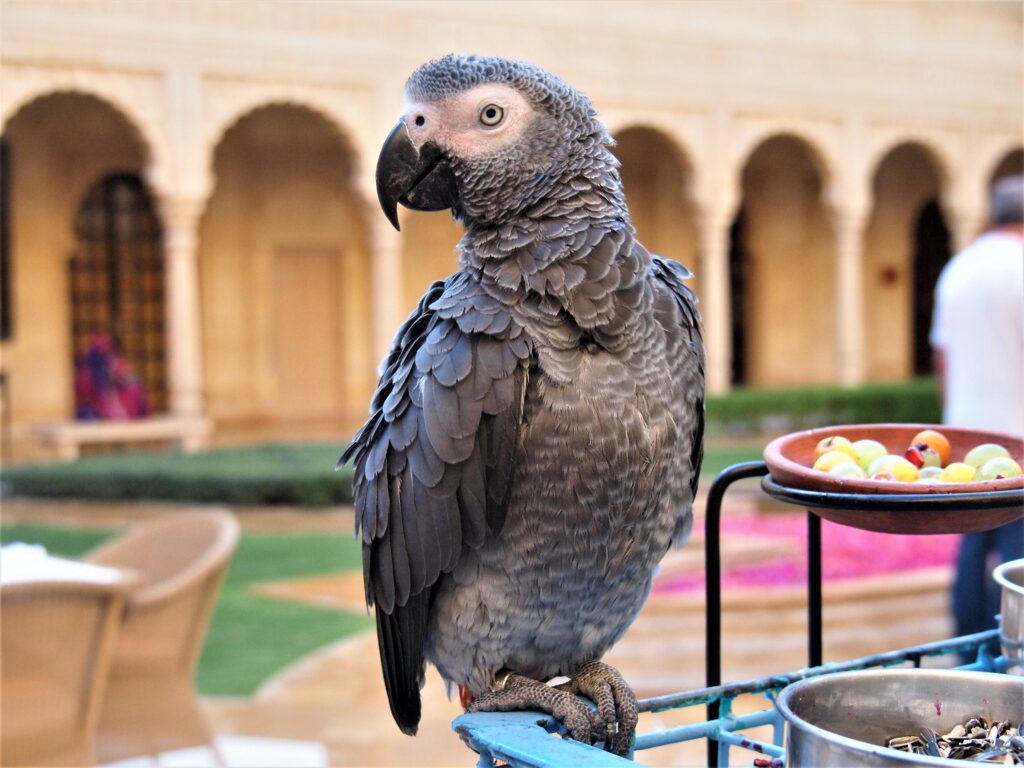
African greys are widely considered the most intelligent pet bird. In fact, a Harvard study found that African grey parrots can perform some cognitive tasks at levels beyond those of 5-year-old children.
They live 40 to 60 years and require constant mental stimulation. Boredom can trigger feather plucking or behavioral problems.
Best for: experienced owners ready for a lifelong intellectual partner.
21. Yellow-Naped Amazon Parrot
Amazon parrots are bold, expressive, and often excellent talkers. They can be moody during breeding season, showing sudden bursts of assertiveness.
Their lifespan runs 40 to 60 years or more. I always tell people to research Amazon behavior thoroughly before buying one.
Best for: confident owners who enjoy a strong-willed personality.
22. Umbrella Cockatoo
Cockatoos are famously affectionate, almost dog-like in how they crave physical closeness. That same need for attention can turn into loud screaming or feather damage if neglected.
They live 40 to 60 years. This species genuinely struggles without daily companionship.
Best for: owners who work from home or have flexible schedules.
ALSO READ: 25 Birds That Swim Underwater to Catch Fish (With Pictures, and Info)
23. Blue-and-Gold Macaw
Macaws are the showstoppers of the parrot world, with size, color, and voice to match. They form powerful bonds but need enormous cages and daily flight time.
Their lifespan reaches 30 to 50 years. Space and budget requirements are significant.
Best for: owners with large homes and prior parrot experience.
24. Hyacinth Macaw
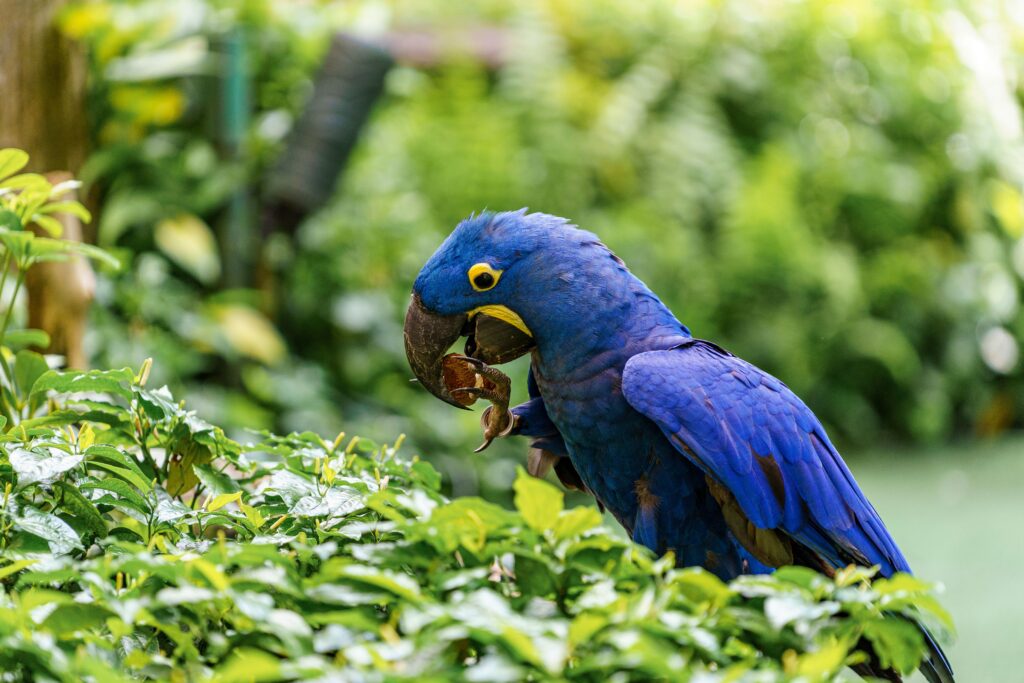
The hyacinth macaw is the largest parrot species kept as a pet, with a wingspan that can startle first-time visitors. Despite their size, they are known as gentle giants.
They live 50 to 60 years, sometimes longer. Their diet, largely built around specific nuts, requires careful planning.
Best for: advanced owners with space, budget, and long-term stability.
25. Domestic Fancy Pigeon
Pigeons rarely make anyone’s pet list, yet they deserve a spot. They are calm, intelligent, and form strong bonds with caretakers, especially in hand-raised birds.
They live 10 to 15 years and need minimal noise tolerance from neighbors. Their quiet cooing is often mistaken for background sound.
Best for: underrated pet seekers, breeders, and hobbyists.
Quick Comparison Table
Use this table to compare noise level and lifespan at a glance before reading the full profiles below.
| Bird | Average Lifespan | Noise Level | Best For |
| Budgerigar | 7–15 years | Low | First-time owners |
| Cockatiel | 15–25 years | Low-Medium | Families |
| Canary | 10–15 years | Medium (song) | Sound lovers |
| Zebra Finch | 5–10 years | Low | Hands-off owners |
| Lovebird | 10–15 years | Medium | Compact companions |
| Green-Cheeked Conure | 20–30 years | Medium | Apartments |
| Sun Conure | 20–30 years | High | Detached homes |
| African Grey | 40–60 years | Medium | Experienced owners |
| Amazon Parrot | 40–60 years | High | Confident owners |
| Umbrella Cockatoo | 40–60 years | Very High | Work-from-home owners |
| Macaw | 30–60 years | Very High | Large households |
This side-by-side view often settles the debate faster than reading species by species. Noise tolerance, more than any other factor, is what surprises new bird owners the most.
Daily Care Basics That Apply to Nearly Every Pet Bird
Regardless of species, a few care rules stay consistent. Getting these right prevents most common health problems.
Cage size matters more than most buyers expect. A bird should be able to fully spread both wings without touching the bars. Cramped housing leads to stress, feather damage, and muscle weakness over time.
Diet should never be seed-only. Seeds are high in fat and low in essential vitamins. A mix of pellets, fresh vegetables, and limited fruit supports better long-term health.
Out-of-cage time is not optional for parrots. Species like conures, cockatoos, and macaws need one to several hours outside the cage daily. Without it, boredom often turns into screaming or plucking.
Sunlight or full-spectrum lighting supports bone health. Natural or artificial UV exposure helps birds process vitamin D properly, which affects calcium absorption and bone strength.
Routine vet visits catch problems early. Birds instinctively hide illness, since looking sick makes them a target in the wild. An annual avian vet exam is the only reliable way to catch hidden issues before they become serious.
Health and Safety Considerations
Before adopting any bird, understand the basic health risks involved. This is not meant to scare you, but to prepare you.
Psittacosis is a bacterial infection people can catch from infected birds. It is a respiratory illness caused by bacteria that more commonly infect birds, and precautions are recommended when handling pet birds and poultry.
The risk is low with routine hygiene. Cleaning cages regularly and washing your hands after handling reduces exposure significantly.
Historically, approximately 70 percent of psittacosis cases with a known source in the 1980s came from exposure to caged pet birds, with bird owners and fanciers making up the largest affected group. Regular veterinary checkups catch problems early.
Nutrition matters just as much as hygiene. Parrots should only be fed what they can eat in one day, and any weight gain calls for a reduced diet along with toys for mental and physical stimulation.
Cage setup also affects long-term health. Because caged birds live on smooth, regular surfaces unlike their wild counterparts, their claws and beaks tend to overgrow, so most pet birds need periodic nail trims.
Legal and Import Considerations
If you plan to bring a bird into the United States from abroad, federal rules apply. Birds from countries affected by highly pathogenic avian influenza require a 30-day quarantine at a USDA Animal Import Center facility.
Some species also fall under wildlife protection law. Certain birds may be listed as endangered or threatened and protected under CITES or the Wild Bird Conservation Act, which can affect import eligibility.
Always check with USDA APHIS and state wildlife agencies before purchasing an exotic or imported species. Rules vary widely by state, especially for Quaker parrots and certain large macaws.
How to Choose the Right Bird for You
Ask yourself three honest questions before deciding. How much noise can my home tolerate? How many hours can I dedicate daily? How long am I willing to commit?
A budgie asks for little beyond food, a clean cage, and daily attention. A macaw asks for decades, space, and near-constant engagement.
I always suggest visiting a bird rescue or specialty store first. Handling different species in person reveals compatibility far better than any article can.
Frequently Asked Questions
What is the easiest bird to own as a beginner? Budgerigars and cockatiels are widely considered the easiest pet birds. They are affordable, adapt well to cages, and rarely develop severe behavioral issues.
Which pet bird lives the longest? Large parrots such as hyacinth macaws, African greys, and Amazon parrots can live 40 to 60 years or longer, sometimes outliving their owners.
Are pet birds good for apartments? Yes, quieter species like canaries, finches, green-cheeked conures, and pionus parrots suit apartment living far better than loud macaws or cockatoos.
Can pet birds make people sick? Rarely, but psittacosis is a real risk. Routine cage cleaning and hand washing after handling greatly reduce this concern.
Do all pet birds need a companion bird? No. Canaries and many parrots do fine solo with daily human interaction, though finches generally prefer living in pairs or small groups.
Final Thoughts
Choosing a pet bird is a decision that can shape decades of your life, quite literally in the case of parrots. I would rather see someone choose a modest budgie and thrive than take on a macaw and struggle.
Whatever you choose, match the bird to your lifestyle honestly. That single choice determines whether the relationship becomes joyful or overwhelming.
References
- Centers for Disease Control and Prevention. Psittacosis. https://www.cdc.gov/psittacosis/index.html
- Centers for Disease Control and Prevention. Compendium of Measures to Control Chlamydia psittaci Infection Among Humans (Psittacosis) and Pet Birds. https://www.cdc.gov/mmwr/pdf/rr/rr4710.pdf
- U.S. Department of Agriculture, Animal and Plant Health Inspection Service. Importing Pet Birds into the United States: Federal Quarantine. https://www.aphis.usda.gov/pet-travel/another-country-to-us-import/birds/federal-quarantine
- U.S. Customs and Border Protection. Bringing Pets and Wildlife into the United States. https://www.cbp.gov/border-security/protecting-agriculture/bringing-pets-and-wildlife-united-states
- Purdue University College of Veterinary Medicine. General Husbandry of Caged Birds. https://vet.purdue.edu/hospital/small-animal/articles/general-husbandry-of-caged-birds.php
- Texas A&M University College of Veterinary Medicine & Biomedical Sciences. Parrot Nutrition, Pet Talk. https://vetmed.tamu.edu/news/pet-talk/parrot-nutrition/
- Harvard University, Harvard Gazette. Harvard Study Shows Parrots Can Pass Classic Test of Intelligence. https://news.harvard.edu/gazette/story/2019/02/harvard-study-shows-parrots-can-pass-classic-test-of-intelligence/